Treating Spinal Scoliosis with Physiotherapy and Core Strengthening Exercises explores targeted strategies for recovery. Discover new paths to mobility, healing, and personalized care.

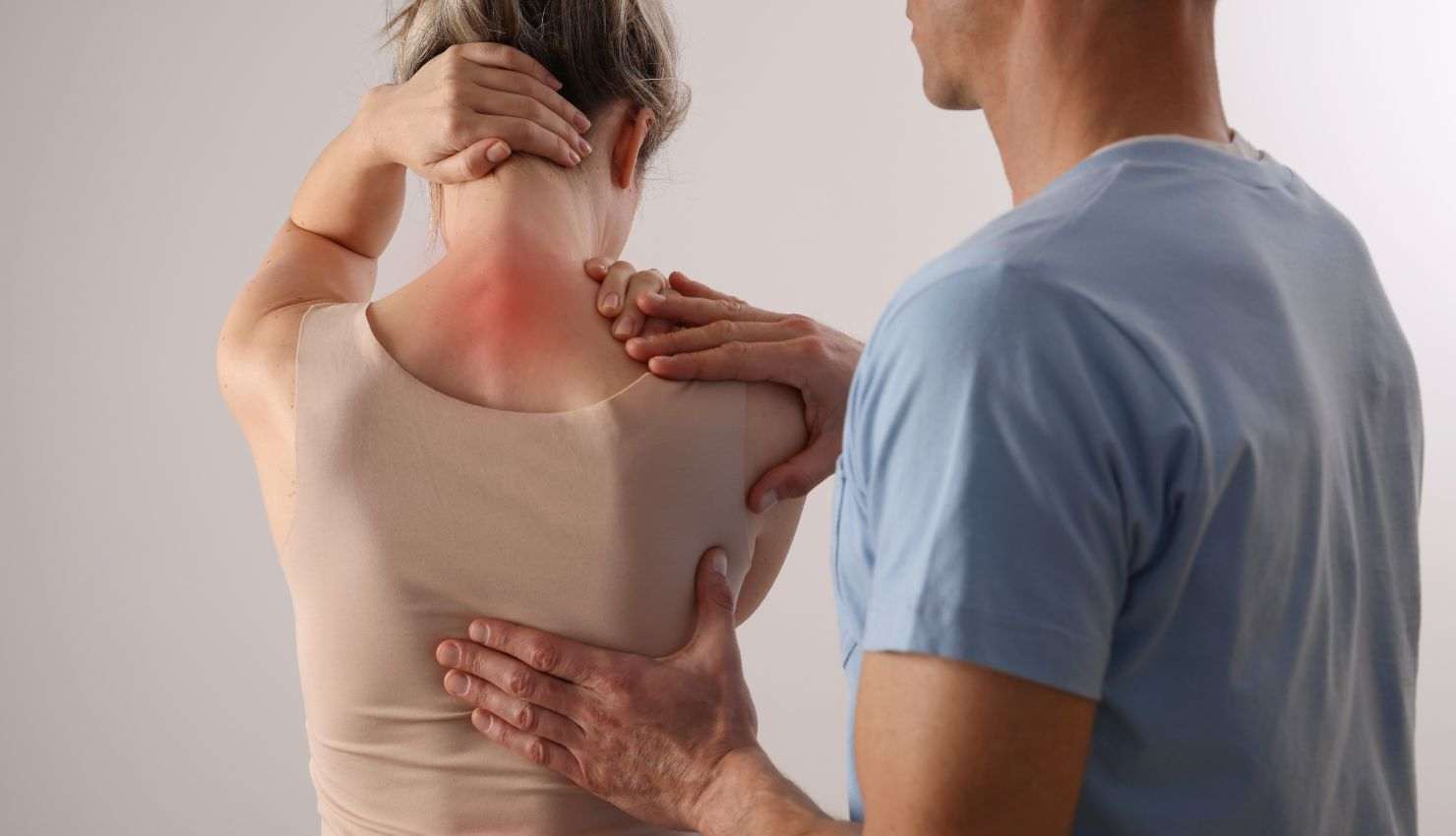
Scoliosisa condition where the spine curves sidewaysaffects thousands of Canadians each year. While the degree and impact of spinal curvature vary from person to person, the effects on posture, mobility, and quality of life can be significant. Fortunately, with a strategic combination of physiotherapy and core strengthening, managing scoliosis without invasive interventions is possible.
At YourFormSux (YFS), our mission is to provide Canadians with the tools and support needed to address spinal conditions like scoliosis through expert-guided rehabilitation. This blog explores how physiotherapy and core-focused exercises can help treat scoliosis and promote spinal alignment naturally and effectively.
Understanding Scoliosis and Its Impact
Scoliosis involves an abnormal curvature of the spine, often shaped like an “S” or “C.” It may be structural (due to bone deformities) or functional (caused by muscle imbalance or postural issues). It can develop during childhood (adolescent idiopathic scoliosis) or result from degenerative changes in adulthood.
The symptoms can include:
Uneven shoulders or hips
A visible curve in the spine
Chronic back pain or stiffness
Fatigue after standing or sitting
Reduced flexibility and mobility
When left untreated, scoliosis can worsen over time, especially during periods of growth or aging. While surgery is sometimes necessary in severe cases, many individuals benefit from conservative treatmentparticularly physiotherapy that targets postural correction and muscle support.
The Role of Physiotherapy in Scoliosis Management
Physiotherapy offers a non-invasive, proactive way to treat and manage scoliosis. At YFS clinics in Canada, we develop custom treatment plans based on the unique shape, severity, and symptoms of each person’s curve. Our physiotherapists focus on:
Reducing pain and tension
Improving muscular balance and symmetry
Enhancing posture and alignment
Preventing further curvature progression
Promoting better functional movement in daily life
Physiotherapy isnt about quick fixesits a long-term strategy to improve your spinal health from the inside out.
Why Core Strength Matters in Scoliosis Treatment
The spine relies heavily on the core for support and stability. Weak or imbalanced core muscles can lead to compensation patterns that exacerbate scoliosis. By strengthening the deep stabilizing muscles of the coreincluding the obliques, transverse abdominis, multifidus, and pelvic floorphysiotherapy helps the spine maintain a more neutral, balanced position.
This can:
Relieve strain on spinal joints
Reduce asymmetry and overuse of certain muscles
Enhance your posture awareness and control
Improve the body’s alignment and function during movement
Effective Physiotherapy Techniques for Scoliosis at YFS
Our scoliosis rehab programs combine several physiotherapy techniques tailored to your spine’s shape and flexibility. Heres what you can expect:
1. Individualized Assessment
Each patient receives a thorough assessment of posture, range of motion, spinal curve type, muscle imbalances, and movement habits. This is essential for developing a targeted treatment plan.
2. Schroth-Based Breathing and Postural Work
We incorporate principles from the Schroth Method, which uses breathing techniques and corrective movements to help elongate and de-rotate the spine. This approach empowers you to become an active participant in your recovery.
3. Core Strengthening Exercises
Targeted exercises focus on both the deep core muscles and larger stabilizers. Exercises may include:
Pelvic tilts and bridges
Side planks and bird-dogs
Swiss ball rollouts
Controlled breathing with spinal elongation
Resistance band exercises for posture correction
These movements are safe, progressive, and guided by trained physiotherapists who monitor form and response.
4. Stretching and Myofascial Release
To counteract muscle tightness often seen in scoliosis, we use gentle stretches and manual therapy to release tension on the concave (shortened) side of the curve and strengthen the convex (elongated) side.
5. Postural Education and Ergonomics
We teach practical strategies to improve daily posturewhether at your desk, while walking, or even sleeping. These small changes, over time, create lasting improvements in spinal alignment.
6. Progress Monitoring and Adjustments
Scoliosis treatment is not one-size-fits-all. We regularly re-evaluate progress and adjust your plan to meet your goals and ensure continued spinal support and correction.
Who Can Benefit from This Approach?
Physiotherapy and core strengthening are suitable for:
Children and teens with mild to moderate curves
Adults with degenerative scoliosis
Individuals looking to avoid or delay surgery
Post-surgical patients needing spinal rehab
Anyone experiencing scoliosis-related discomfort
Whether your curve is newly diagnosed or has been present for years, its never too late to start improving your spinal health.
Why Choose YFS for Scoliosis Rehab in Canada?
At YourFormSux, we pride ourselves on offering patient-centered physiotherapy designed around your specific needs. Our Canadian-trained physiotherapists have experience in spinal rehabilitation and core re-education. We believe in empowering our clients with the knowledge and exercises needed for self-care beyond the clinic.
We understand that scoliosis can feel overwhelming. But with the right support and guidance, you can reduce pain, improve posture, and live with confidence.
Conclusion
Scoliosis doesnt have to mean a life of discomfort or limitations. Through consistent physiotherapy and a strong focus on core strengthening, you can take control of your spinal health and regain comfort in your daily movements.
If you or a loved one is dealing with scoliosis, reach out to YFS in Canada for a consultation. Well help you build the strength and stability needed for a healthier spine and a more balanced life.