Treating Spinal Stenosis with Physiotherapy and Core Exercises explores targeted strategies for recovery. Discover new paths to mobility, healing, and personalized care.

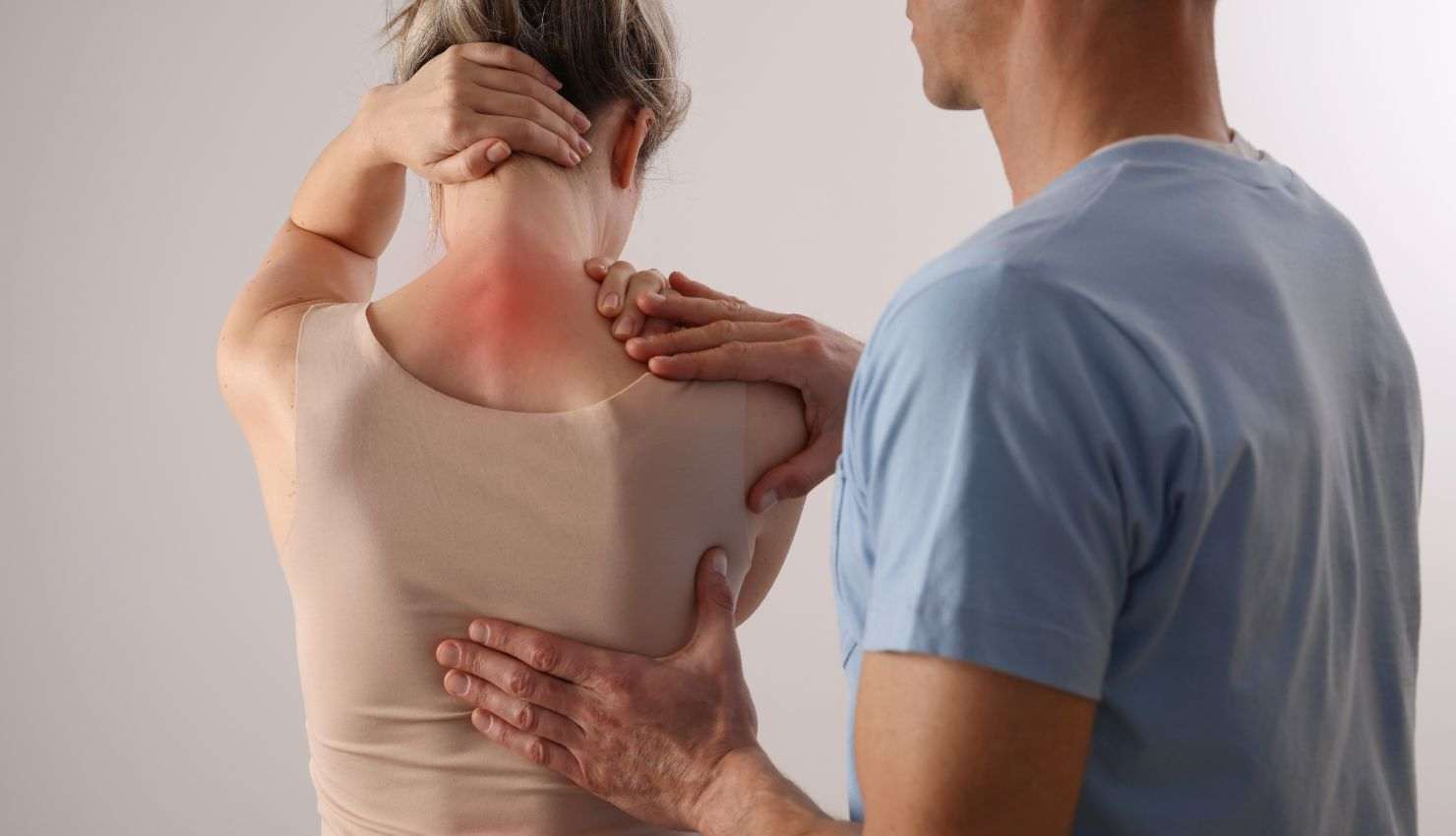
Spinal stenosis is one of those conditions that slowly creeps into your lifestarting with stiffness or mild discomfort and gradually progressing to numbness, weakness, or even difficulty walking. For many Canadians, especially those over 50, spinal stenosis is a major reason behind lower back and leg pain. But heres the good news: surgery isnt always necessary. At YourFormsUX Canada, we specialize in non-surgical treatment for spinal stenosis using targeted physiotherapy and core rehabilitation exercises that relieve pain, improve mobility, and restore confidence in your movement.
What is Spinal Stenosis?
Spinal stenosis refers to a narrowing of the spaces within your spine, which puts pressure on the spinal cord and nerves. This often happens in the lumbar spine (lower back), but can also occur in the neck. The condition can be caused by:
Age-related degeneration
Herniated or bulging discs
Bone spurs from osteoarthritis
Thickened ligaments in the spine
Spinal injuries or postural imbalances
As the space around the nerves shrinks, you may start experiencing symptoms such as:
Radiating leg pain (sciatica)
Numbness or tingling in the legs or buttocks
Lower back stiffness
Cramping or weakness after walking short distances
Relief when leaning forward (which opens spinal spaces)
While it can be a progressive condition, many people manage spinal stenosis effectively through structured rehabilitation.
Why Physiotherapy Should Be Your First Step
When spinal stenosis begins interfering with daily life, many people fear theyll need surgery. But in most cases, conservative management with physiotherapy and exercise offers long-lasting reliefwithout invasive procedures.
At YourFormsUX, our spinal rehab team creates personalized physiotherapy programs that focus on:
Reducing nerve compression
Releasing muscular tension
Improving spinal stability
Correcting posture and alignment
Strengthening your core to support the spine
The goal is to create space in the spine naturally while building a muscular system that protects your back from future flare-ups.
Key Components of a Spinal Stenosis Rehab Plan
1. Postural Correction
Many people with spinal stenosis develop a hunched or forward-leaning posture to relieve pressure on the nerves. But this compensation often creates long-term muscle imbalances.
We teach you to move into a neutral spine positionnot too arched, not too roundedand help your body maintain that alignment through:
Ergonomic education for sitting and standing
Lumbar support adjustments
Controlled pelvic tilting drills
Thoracic spine mobility work
These changes reduce strain on the lumbar vertebrae and open the spinal canal more effectively.
2. Core Stabilization Training
A weak or inactive core causes instability in the lumbar spine, which aggravates spinal stenosis symptoms. Our approach to core training is safe and specific, including:
Transverse abdominis activation the deep abdominal muscle that supports your spine like a corset
Pelvic floor and diaphragm work for intra-abdominal pressure control
Bird-dog and dead bug exercises enhance spinal control without excessive movement
Glute bridges and hip stability drills to support lower back posture
These movements train your body to distribute load evenly, taking pressure off compressed nerves.
3. Flexibility and Mobility Work
Stiffness in the hips, hamstrings, and thoracic spine can worsen spinal compression. Through guided stretches and mobility work, we help you:
Open up the hip flexors to reduce lumbar strain
Stretch tight hamstrings and calves
Increase thoracic spine rotation and extension
Release tension in the piriformis and lower back muscles
All mobility drills are paired with breathing techniques and mindful movement to avoid triggering symptoms.
4. Functional Strength Training
As you regain comfort and mobility, we introduce functional strength exercises that reflect your daily activitieslifting, bending, climbing stairs, and walking. These may include:
Modified squats and lunges
Step-ups with core engagement
Resistance band rows and pulls
Standing posture and balance drills
This phase helps build endurance and resilience so you can return to your normal routine with confidence.
5. Walking and Gait Retraining
Many patients with spinal stenosis develop a limping or guarded walking pattern due to pain or fear. We include gait retraining in your rehab program to:
Improve walking tolerance
Promote even weight distribution
Strengthen hip and leg muscles
Reduce fatigue during daily movement
Even short walking intervals, done consistently and mindfully, can make a huge impact.
How Core Exercises Specifically Help Spinal Stenosis
When your core is strong and well-coordinated, it:
Stabilizes the spine and reduces micro-movements that irritate nerves
Encourages upright posture, creating more space in the spinal canal
Reduces reliance on surrounding muscles, decreasing muscle fatigue and cramping
Improves pelvic alignment, helping to redistribute weight during walking and standing
At YourFormsUX, we dont just prescribe exerciseswe coach you on form, breathing, activation, and progression so that your core truly supports your spine.
Is Spinal Stenosis Treatment Right for You?
If you experience:
Pain that improves when bending forward or sitting
Cramping or weakness in your legs after walking
A sensation of heaviness or tingling in your lower limbs
Difficulty with prolonged standing or walking
then spinal stenosis may be the culprit. Our expert physiotherapists can perform a thorough assessment and design a program tailored to your specific spine condition.
Lets Create Space for Pain-Free Living
Living with spinal stenosis doesnt mean your movement or lifestyle has to shrink. With the right rehab strategy, you can:
Walk longer without pain
Stand taller and feel stronger
Regain independence in daily tasks
Avoid the risks and recovery time of surgery
Build lasting core strength to prevent relapses
At YourFormsUX Canada, were here to help you move forward with a spine thats supported, strong, and pain-free.