Whether youre a weekend warrior, a seasoned athlete, or somewhere in between, injuries are unfortunately part of the game. But heres the good news: with the right approach, most sports injuries can be treated effectively and you can get back on the field, court, or track faster than you think.

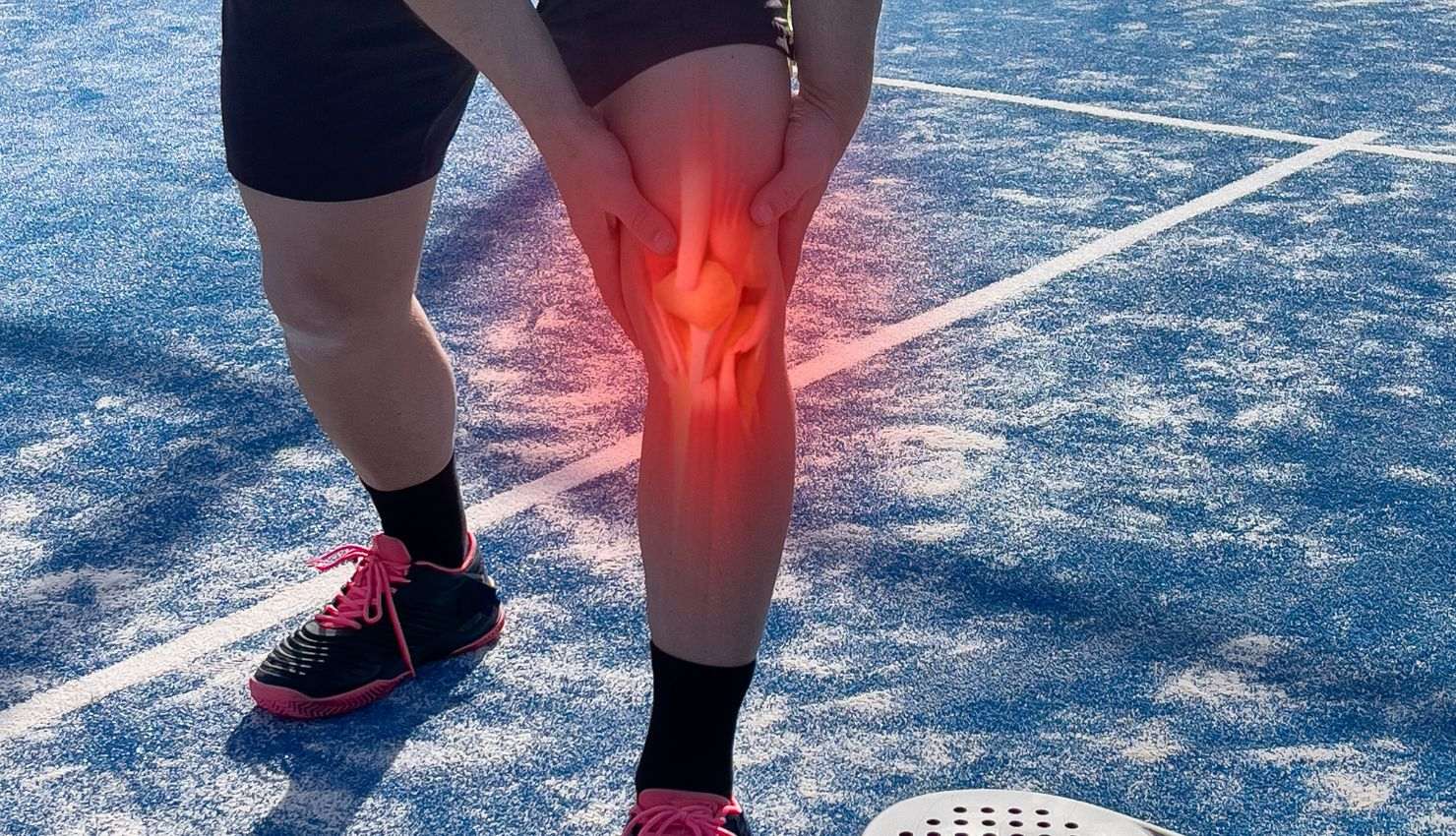
Whether youre a weekend warrior, a seasoned athlete, or somewhere in between, injuries are unfortunately part of the game. But heres the good news: with the right approach, most sports injuries can be treated effectively and you can get back on the field, court, or track faster than you think.
Lets dive into what really matters when it comes to treating sports injuries and getting you back to doing what you love.
1. Act Fast: Early Intervention is Everything
One of the biggest mistakes people make? Ignoring the pain. That itll go away on its own mentality can turn a minor strain into a major setback. The sooner you address an injury, the better your chances for a quick and full recovery.
The R.I.C.E. method is still a trusted go-to for many common injuries:
Rest to prevent further damage
Ice to reduce swelling
Compression to support the area and limit inflammation
Elevation to ease pressure and drain excess fluid
Sounds simple, right? But consistency in the early hours post-injury can significantly impact your healing timeline.
2. Get a Proper Diagnosis
Not all injuries are created equal. What feels like a sprain might actually be a tear and treating it incorrectly could prolong your recovery. Thats why its essential to consult a professional. Sports medicine doctors, physical therapists, or orthopedic specialists can help diagnose the injury accurately and tailor a treatment plan that fits your needs and activity level.
3. Stick to Your Rehab Plan
We get it being sidelined is frustrating. But skipping steps in your rehabilitation can lead to re-injury or chronic issues. Whether its physical therapy exercises, follow-up appointments, or simply taking it easy when you feel “almost” back to normal, trust the process.
Rehab isnt just about healing. Its about rebuilding strength, restoring range of motion, and preventing future injuries. So do the stretches, lift the bands, and yes take those rest days seriously.
4. Dont Underestimate the Power of Nutrition and Hydration
Your body needs fuel to repair itself. That means plenty of:
Protein to rebuild muscle tissue
Anti-inflammatory foods like berries, leafy greens, and fatty fish
Hydration to keep your joints lubricated and flush toxins from damaged cells
Recovery starts on the inside, so pay attention to whats on your plate!
5. Consider Advanced Treatments
In some cases, traditional methods might not be enough. Thats where advanced options come in like platelet-rich plasma (PRP) therapy, cold laser therapy, or dry needling. These arent for everyone, but for certain injuries or slow-healing tissues, they can jumpstart recovery and reduce downtime.
Always talk to a healthcare provider about whats best for your body and your specific injury.
Injuries Happen, But Recovery is in Your Hands
Remember, sports injuries might slow you down but they dont have to stop you. By acting quickly, following expert guidance, and committing to smart rehab, youre setting yourself up for a strong and sustainable return.
So take care of your body. Listen to the signals it gives you. And when in doubt, always err on the side of caution.
Because the goal isnt just to play again its to play better, stronger, and smarter.