The pelvic floor is more than just a group of muscles supporting the bladder, uterus, and bowelits a key player in your bodys core function and overall health. For many women, pelvic floor dysfunction silently contributes to various physical issues that may not immediately seem connected to the pelvis.

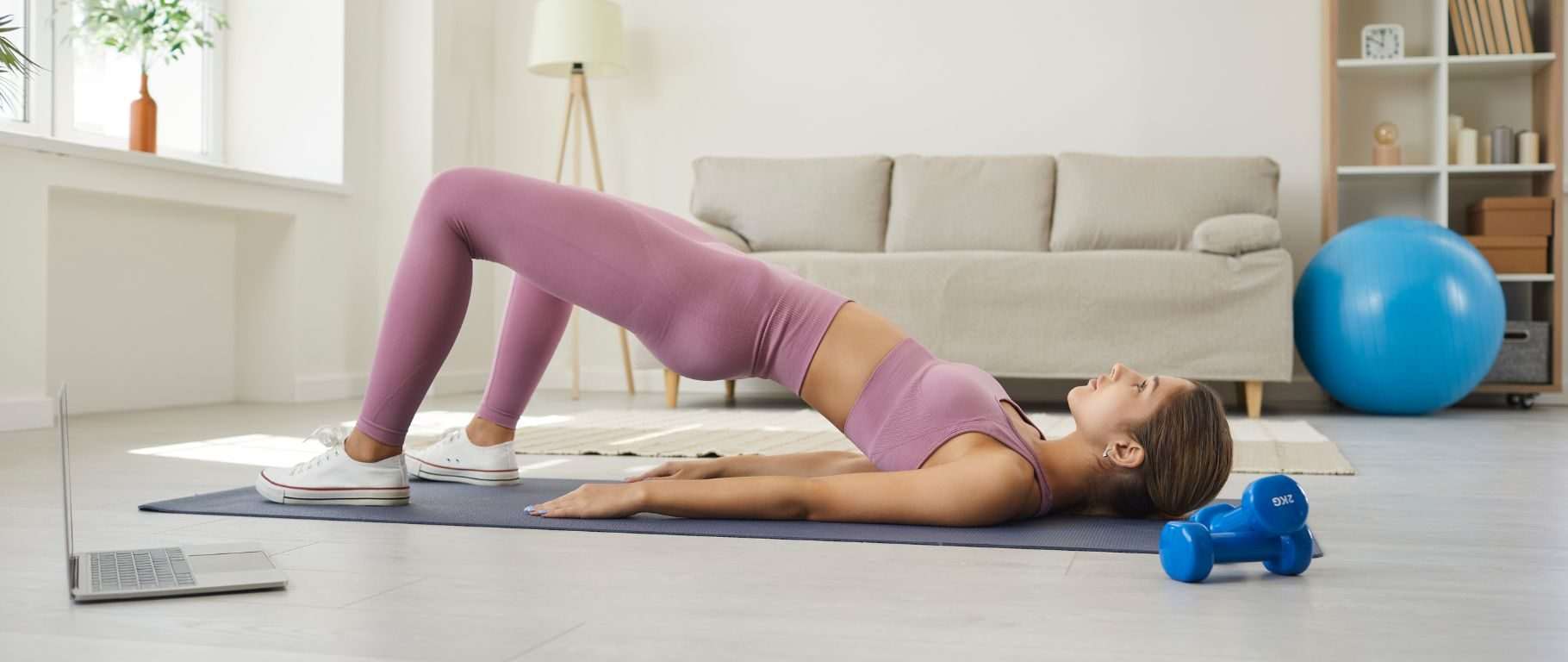
The pelvic floor is more than just a group of muscles supporting the bladder, uterus, and bowelits a key player in your bodys core function and overall health. For many women, pelvic floor dysfunction silently contributes to various physical issues that may not immediately seem connected to the pelvis. Yet, once the pelvic floor is evaluated and strengthened, many chronic symptoms improve dramatically.
Physiotherapy focused on pelvic floor health offers women an effective and non-invasive path to improved movement, balance, digestion, and comfort. Understanding the far-reaching influence of these muscles is essential to recognizing their role in long-term wellness.
The Anatomy of the Pelvic Floor
The pelvic floor is a hammock-like structure made up of muscles, ligaments, and connective tissue. It supports the pelvic organs, maintains continence, assists with sexual function, and coordinates with the core to stabilize the spine and hips. A healthy pelvic floor acts in harmony with the diaphragm, abdominals, and back muscles to control movement and pressure throughout the body.
When the pelvic floor is either too weak or too tense, this balance is disrupted. This can lead to poor posture, chronic pain, and difficulty managing daily tasks like lifting, walking, or sitting for long periods.
Signs That Your Pelvic Floor May Be Dysfunctional
Pelvic floor dysfunction presents in many different ways. Some symptoms are directly related to the pelvis, while others show up in other areas of the body. Common signs include:
Urinary urgency or leakage
Difficulty fully emptying the bladder or bowels
Pelvic heaviness or pressure
Pain during or after intercourse
Constipation or straining
Hip, back, or sacroiliac joint pain
Poor balance or postural issues
Frequent UTIs without infection
Even women who consider themselves healthy and active may unknowingly compensate for pelvic floor dysfunction in their movements, increasing risk of injury and discomfort over time.
The Core Connection: Why the Pelvic Floor Matters
The pelvic floor is an essential part of your deep core, working in coordination with the diaphragm, transverse abdominis, and multifidus muscles. When this system functions well, it allows for:
Better spinal support
More efficient breathing
Stable movement during exercise
Safe lifting techniques
Protection against pressure-related injuries
When the pelvic floor is underperforming or overactive, the rest of the body must work harder to compensate. This can lead to muscle imbalances, joint strain, and chronic fatigue. Over time, untreated dysfunction contributes to reduced mobility and increased pain.
How Pelvic Floor Dysfunction Affects Overall Health
Postural and Musculoskeletal Impact
A dysfunctional pelvic floor often leads to postural compensations. For example, weak muscles may cause the pelvis to tilt, changing the alignment of the spine and hips. This can result in chronic lower back pain, tight hip flexors, or limited flexibility.
Digestive and Bowel Health
The pelvic floor assists with bowel function and movement. Tight or uncoordinated muscles may interfere with proper evacuation, leading to constipation, bloating, or painful bowel movements.
Bladder Control and Urinary Function
Women with weak pelvic floors may experience stress incontinence (leaking when sneezing, coughing, or exercising) or urge incontinence (a sudden, intense need to urinate). Strengthening these muscles through physiotherapy restores control and confidence.
Sexual Health and Intimacy
Pelvic floor tension can contribute to pain during intercourse, while muscle weakness may reduce sensation. Physiotherapy improves blood flow, tissue elasticity, and coordination, leading to better sexual function.
Breathing Efficiency and Energy
A healthy pelvic floor moves in rhythm with the diaphragm. Dysfunction here disrupts that pattern, making breathing less efficient and decreasing endurance during physical activity.
How Physiotherapy Helps Restore Balance
Pelvic floor physiotherapy provides an individualized, evidence-based approach to identifying dysfunction and correcting it through tailored techniques. Key treatment strategies include:
Pelvic floor muscle training: Learning how to properly engage and relax these muscles.
Postural retraining: Improving spinal and hip alignment to reduce strain.
Core stabilization exercises: Integrating the pelvic floor with other core muscles for full-body coordination.
Breathing techniques: Enhancing diaphragm-pelvic floor synergy to optimize function.
Manual therapy: Releasing trigger points and improving tissue mobility.
Physiotherapists also teach women how to move efficiently in daily lifelifting children, walking stairs, and even sittingall while supporting the pelvic floor.
When to Seek Pelvic Floor Physiotherapy
Its never too early or too late to care for your pelvic floor. Women in all stages of lifewhether preparing for childbirth, navigating menopause, or managing chronic painbenefit from a pelvic health assessment. Even mild symptoms are worth addressing to prevent long-term health impacts.
By working with a trained pelvic floor physiotherapist, women gain insights into how their bodies function and develop practical tools to feel stronger, more mobile, and more in control.