Pelvic organ prolapse (POP) is a common yet under-discussed condition affecting countless women worldwide. In Canada, many experience symptoms like pelvic pressure, urinary urgency, or discomfort during everyday activitiesyet often delay seeking care due to embarrassment or lack of information.

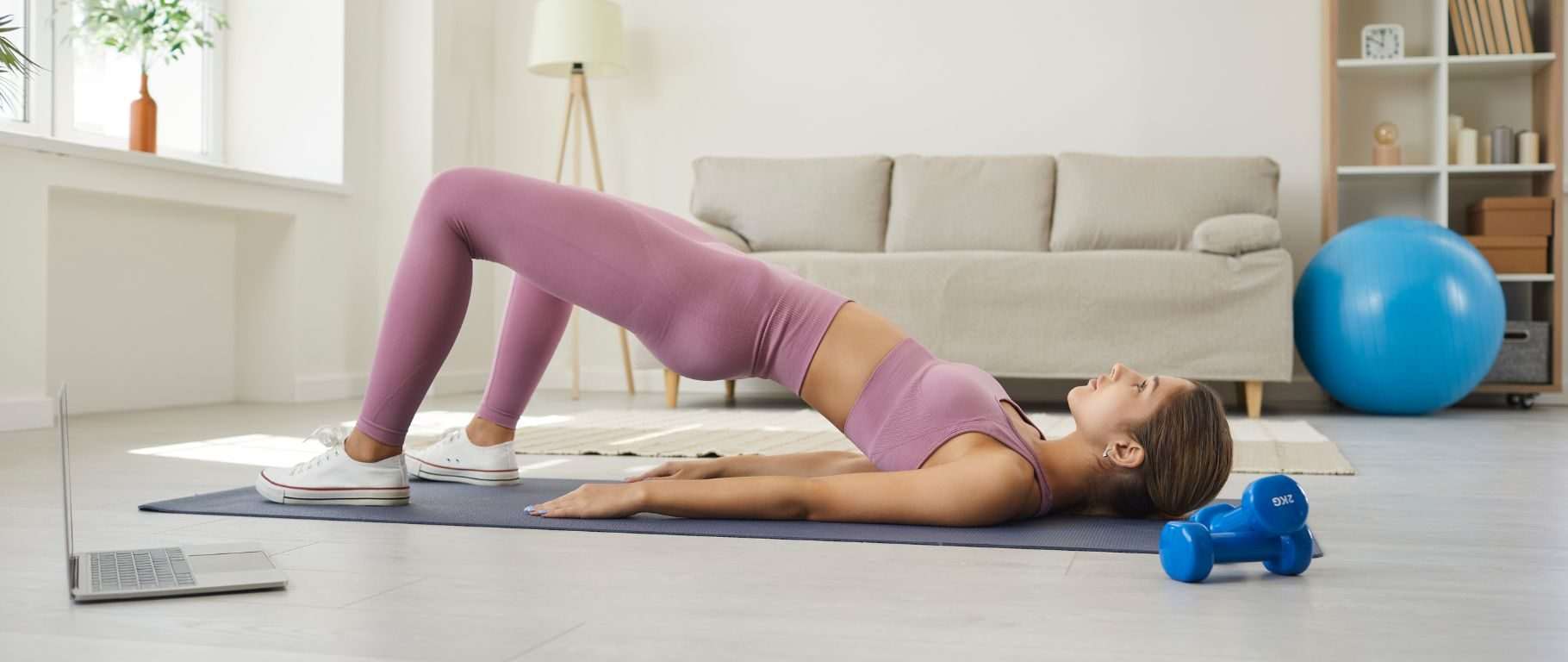
Pelvic organ prolapse (POP) is a common yet under-discussed condition affecting countless women worldwide. In Canada, many experience symptoms like pelvic pressure, urinary urgency, or discomfort during everyday activitiesyet often delay seeking care due to embarrassment or lack of information. If youre noticing a bulge in the vaginal canal or difficulties with bladder or bowel control, youre not alone. This article delves into pelvic organ prolapse, why it happens, and how pelvic floor physiotherapy can be a game-changer.
What Is Pelvic Organ Prolapse?
Pelvic organ prolapse occurs when pelvic organssuch as the bladder (cystocele), uterus (uterine prolapse), rectum (rectocele), or small bowel (enterocele)descend from their normal position into the vaginal canal. This descent happens when the supporting muscles, ligaments, or connective tissues weaken. Symptoms can range from mild pressure to significant discomfort, impacting your quality of life, sleep, intimacy, and daily routines.
Key Risk Factors Include:
Pregnancy and vaginal delivery, especially prolonged labor or forceps use
Chronic constipation or straining during bowel movements
Persistent heavy lifting (at work or during exercise)
Obesity, which increases intra-abdominal pressure
Age-related hormonal changes, particularly post-menopause
Chronic coughing, often linked to conditions like COPD or smoking
Signs & Symptoms to Watch For
Feeling fullness or heaviness in the pelvis
A noticeable bulge or lump in the vaginal area
Stress urinary incontinence or urgency
Difficulty emptying your bladder or bowels
Lower back pain or discomfort while exercising or standing
Ignoring these signs can lead to worsening symptoms, compounded stress, and decreased well-being. Early detection, paired with targeted intervention, often prevents the need for invasive procedures and strengthens your confidence in movement, exercise, and daily life.
Why Physiotherapy Is Essential for Pelvic Organ Prolapse
Physiotherapists specializing in pelvic health focus on functional rehabilitationhelping to rebuild strength, coordination, and control in the pelvic floor. Evidence supports the effectiveness of pelvic floor muscle training (PFMT) for both preventing and improving pelvic organ prolapse symptoms. Effective PFMT enhances urethral support, decreases vaginal pressure, and stabilizes the pelvic floor structures, whether your goal is symptom relief or improving quality of life.
How Pelvic Floor Physiotherapy Works
Assessment & Personalized Diagnosis
Your journey begins with a detailed intake and pelvic floor assessment. This includes muscle strength, tone, coordination, and potential postural or movement-related issues that exacerbate POP symptoms.
Tailored Exercise Programs
Short-tail keywords: pelvic floor physiotherapy, pelvic organ prolapse exercises
Long-tail keywords: pelvic floor strengthening for prolapse, pelvic physiotherapy for mild uterine prolapse
PFMT involves learning to contract and relax the pelvic floor correctlynot merely squeezing harder. Techniques such as squeeze-hold-release help restore neuromuscular control. Training might also target transverse abdominis, deep hip rotators, and multifidus to build foundational support and enhance posture.
Education & Lifestyle Strategies
Physiotherapists guide you on bladder retraining, bowel management, and lifting techniques to reduce strain. Education often includes breathing coordination to avoid inadvertently increasing intra-abdominal pressure during daily tasks.
Biofeedback & Electrical Stimulation
Many clinics offer biofeedback tools to visualize muscle activity using a sensor, helping you fine-tune pelvic contractions. In select cases, gentle electrical stimulation may assist with muscle recruitment or re-education.
Manual Therapy & Soft Tissue Work
Addressing connective tissue restrictions, fascial tightness, or scar tissueparticularly after childbirth or pelvic surgeryhelps improve pelvic mobility and reduces tension patterns that contribute to prolapse.
Progressive Functional Training
As strength grows, your physiotherapist incorporates progressive loading, functional movements, and cardiovascular conditioningsafely returning you to activities such as golf, hiking, or yoga with reduced prolapse symptoms and improved core stability.
Ongoing Support & Regular Reviews
Periodic re-evaluation ensures your program remains effective. Adjustments are made based on your life stageslike preparing for pregnancy, entering perimenopause, or considering surgery.
Benefits of Pelvic Floor Physiotherapy
Symptom Relief & Quality of Life: Reduction in pelvic pressure, bulging sensations, and urinary leakage means fewer interruptions to daily tasks and better sleep.
Non-Surgical Approach: For many women with mild to moderate prolapse, physiotherapy provides meaningful improvement, often delaying or eliminating the need for surgical intervention.
Empowerment & Education: Youll gain practical tools to self-manage and prevent progression, especially during life events like pregnancy or menopause.
Holistic Wellness: Treating posture, breathing, and core mechanics enhances overall strength and movement patternsbenefiting not just the pelvic floor, but also your spine, hips, and balance.
When to Consider Physiotherapy for Prolapse
Youve noticed a vaginal bulge, heaviness, or discomfort
You experience urinary leakage during coughing or exercise
You push or strain during bowel movements
You want pelvic health guidance during pregnancy or after delivery
You prefer non-surgical management or want to strengthen before elective surgery
The Canadian Context
In Canada, pelvic health physiotherapy is covered by various provincial health plans or private insurance, especially under professional health benefitslikely available through employer-sponsored insurance or healthcare accounts. Selecting a registered physiotherapist with pelvic health credentials (e.g., Canadian Continence and Pelvic Health Certification) ensures that treatment is evidence-based and tailored to your specific prolapse type.
Making the Most of Your Sessions
Be consistent: Daily pelvic floor exercises encourage neuromuscular adaptation.
Track your progress: Use a symptom diary to note changes in bulge, leakage, or discomfort.
Communicate openly: Share changes in bowel habits, new activities, or symptom fluctuations.
Stay patient: Physiotherapy is progressive; improvement may take weeks or months, but sustained effort pays off.
Conclusion
Pelvic organ prolapse doesnt have to define your lifestyle. With specialized pelvic floor physiotherapy, you can regain core strength, reduce symptoms, and prevent progression. At YFS in Canada (YourFormsUX), our commitment is to empower women through personalized, clinically grounded carehelping you move freely, confidently, and empowered in every facet of life.
If youre noticing changes in bladder, bowel, or pelvic comfort, dont wait. Reach out to a pelvic health physiotherapist at YFS to schedule a comprehensive assessment and reclaim control over your pelvic health.