Pelvic pain in women is more common than many realize. It can be chronic, cyclical, or sudden, often interfering with daily life, intimacy, work, and mental well-being.

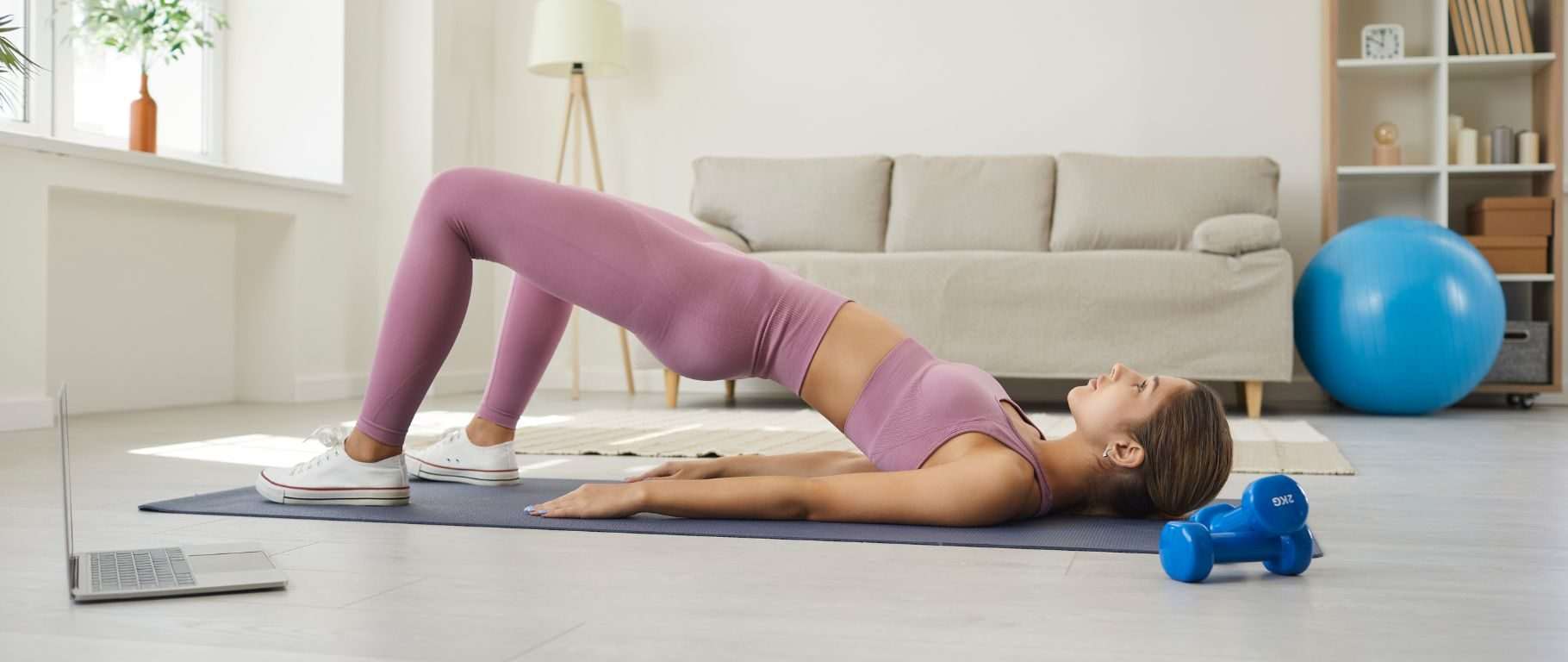
Pelvic pain in women is more common than many realize. It can be chronic, cyclical, or sudden, often interfering with daily life, intimacy, work, and mental well-being. Understanding what causes pelvic pain and how pelvic physiotherapy provides a non-invasive, long-term solution is essential for empowering women to seek proper care.
What Is Pelvic Pain?
Pelvic pain refers to discomfort in the lower abdomen, between the hips, and can range from dull aches to sharp, stabbing sensations. It may be constant or triggered by activities such as sitting, standing, walking, or engaging in sexual intercourse. For many women, pelvic pain is linked to musculoskeletal dysfunction, inflammation, organ-related issues, or past trauma. In numerous cases, pelvic floor dysfunction plays a major role.
Common Causes of Pelvic Pain in Women
Pelvic pain may originate from different systems, including the reproductive, digestive, urinary, and musculoskeletal systems. The most common causes include:
Pelvic floor muscle dysfunction
Endometriosis
Interstitial cystitis or bladder pain syndrome
Post-surgical scarring
Vaginal or pelvic trauma from childbirth
Irritable bowel syndrome
Chronic stress and posture-related muscle imbalances
Understanding the root cause often requires a multidisciplinary approach, and physiotherapists trained in pelvic health are a vital part of that team.
How Pelvic Floor Dysfunction Contributes to Pain
The pelvic floor is a group of muscles that support your bladder, bowel, and uterus. When these muscles become too tight (hypertonic), too weak (hypotonic), or poorly coordinated, they can cause pain, pressure, and functional problems. Tight pelvic floor muscles, in particular, may compress nerves or restrict blood flow, leading to chronic pain in the pelvis, hips, and lower back.
The Role of Physiotherapy in Relieving Pelvic Pain
Pelvic floor physiotherapy targets the root dysfunctions causing pain rather than masking symptoms. A registered pelvic physiotherapist will perform a thorough assessment that includes posture, breathing mechanics, core engagement, and internal pelvic floor muscle evaluation (when appropriate).
Key treatment strategies may include:
Manual therapy: Releasing tight muscles and fascia both externally and internally
Biofeedback training: Helping you gain control over muscle coordination
Breathing techniques: Teaching diaphragmatic breathing to reduce tension
Postural alignment correction: Addressing poor sitting or standing habits that contribute to pain
Education and behavior modification: Providing guidance on toileting, sexual function, and ergonomics
Why Women Delay Seeking Treatment
Pelvic pain is still under-discussed in healthcare settings. Many women normalize their pain or believe it’s an unavoidable part of menstruation, childbirth, or aging. Others feel embarrassed to speak about intimate discomfort. Unfortunately, delay in treatment can allow dysfunction to become chronic and harder to manage.
Raising awareness around pelvic physiotherapy as a first-line treatment is critical. It offers a safe, non-surgical, and highly effective approach backed by clinical evidence.
Long-Term Benefits of Pelvic Physiotherapy
Consistent pelvic physiotherapy can provide lasting relief by:
Reducing or eliminating chronic pelvic pain
Improving sexual function and comfort
Enhancing bowel and bladder control
Supporting emotional well-being by reducing anxiety tied to pain
Preventing pain recurrence through movement education and strength training
When to Seek Help
You should consider pelvic physiotherapy if you experience:
Painful intercourse
Ongoing lower abdominal pain
Pain with bowel movements or urination
Hip or back pain that worsens during your cycle
Discomfort while sitting for long periods
Addressing these symptoms early can prevent long-term suffering and improve your overall quality of life.
Final Thoughts
Understanding pelvic pain is the first step toward recovery. Physiotherapy helps treat the root cause, not just the symptoms, making it a powerful solution for women at any stage of life. If youre dealing with persistent pelvic discomfort, working with a qualified pelvic health physiotherapist could be the most important step toward relief and healing.