Pelvic pain is a complex and often misunderstood condition that affects many women at various stages of life. It can significantly impact daily activities, emotional well-being, and relationships.

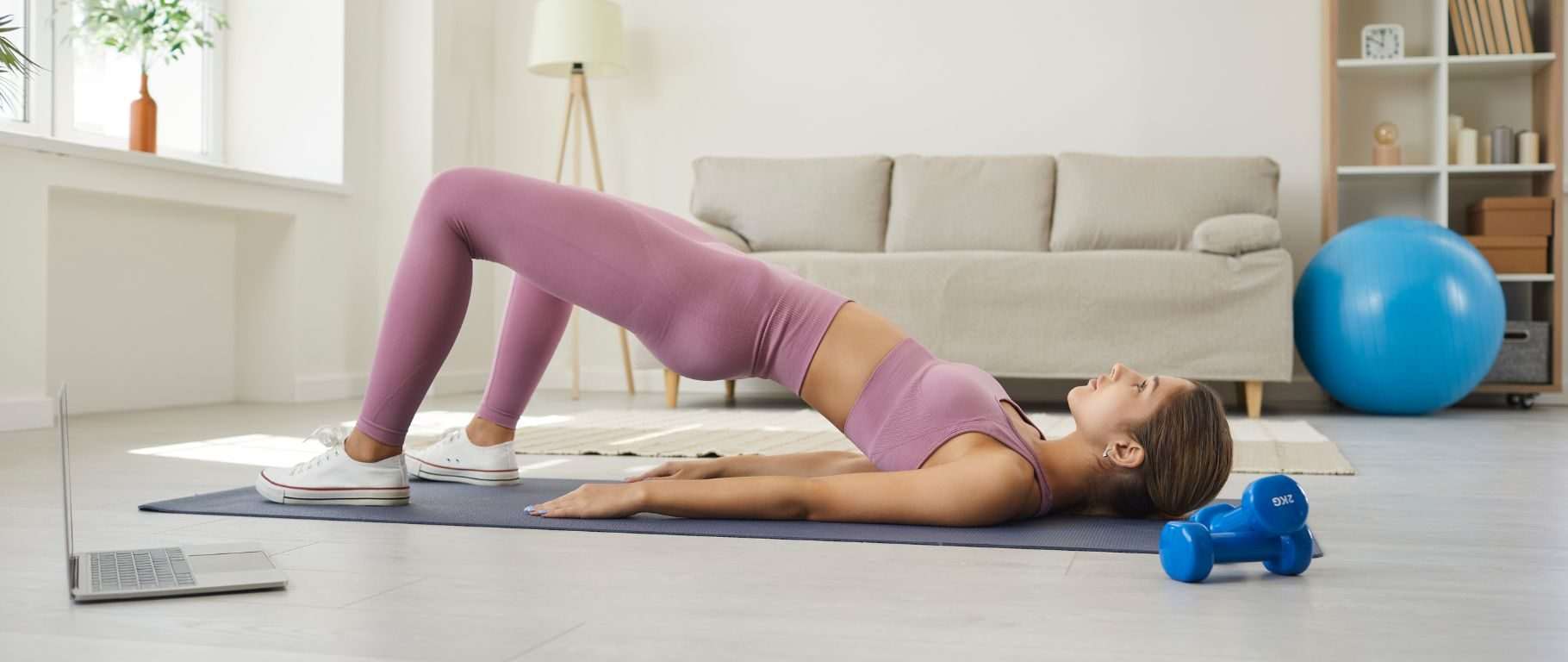
Pelvic pain is a complex and often misunderstood condition that affects many women at various stages of life. It can significantly impact daily activities, emotional well-being, and relationships. Understanding the causes of pelvic pain and the available treatment options, especially physiotherapy, is essential for effective management and relief.
What Is Pelvic Pain?
Pelvic pain refers to discomfort or pain experienced in the lower abdomen, pelvic region, or perineum. It can be acute or chronic, lasting for months or even years. Pelvic pain may be constant or intermittent and can vary in intensity.
Common Causes of Pelvic Pain in Women
Pelvic pain can stem from various sources, including:
Pelvic Floor Muscle Dysfunction: Tight or weak pelvic floor muscles can cause pain or spasms.
Endometriosis: Growth of uterine tissue outside the uterus causing inflammation and pain.
Interstitial Cystitis: Chronic bladder inflammation leading to pelvic discomfort.
Pelvic Organ Prolapse: When pelvic organs descend due to weak support structures.
Gynecological Conditions: Ovarian cysts, fibroids, or infections.
Post-Surgical or Postpartum Changes: Scar tissue or muscle injury.
Nerve Entrapment: Irritation or compression of pelvic nerves.
How Physiotherapy Addresses Pelvic Pain
Pelvic health physiotherapy is a key treatment for many causes of pelvic pain. Physiotherapists specializing in pelvic care use a variety of approaches:
Pelvic Floor Muscle Assessment and Rehabilitation
Identifying whether pelvic floor muscles are too tight (hypertonic) or weak (hypotonic) is crucial. Treatment includes targeted exercises, relaxation techniques, and manual therapy to restore balance.
Manual Therapy
Hands-on techniques such as myofascial release, trigger point therapy, and joint mobilization relieve muscle tension and improve tissue mobility in the pelvic region.
Neuromuscular Re-education
Physiotherapists teach patients how to retrain pelvic muscles to function correctly during movement, breathing, and daily activities, reducing pain and improving coordination.
Biofeedback and Electrical Stimulation
These tools assist in muscle control and pain reduction by providing real-time feedback or gentle stimulation to affected muscles.
Additional Treatment Considerations
Pelvic pain treatment often includes education on lifestyle changes such as:
Managing bowel and bladder habits to reduce strain
Stress management and relaxation techniques
Postural correction to reduce pelvic strain
Guidance on safe physical activity and exercise
When to Consult a Physiotherapist
Women experiencing persistent pelvic pain, discomfort during intercourse, urinary or bowel symptoms, or pelvic muscle tightness should consider pelvic health physiotherapy evaluation. Early intervention improves outcomes and enhances quality of life.
Conclusion
Pelvic pain can be debilitating, but effective treatment options exist. Pelvic health physiotherapy offers comprehensive, personalized care that addresses underlying muscle dysfunction, reduces pain, and restores pelvic function. At YourFormSux in Canada, women receive expert assessment and treatment plans designed to alleviate pelvic pain and improve everyday comfort.