Understanding Physiotherapy Exercises for Dancers explores targeted strategies for recovery. Discover new paths to mobility, healing, and personalized care.

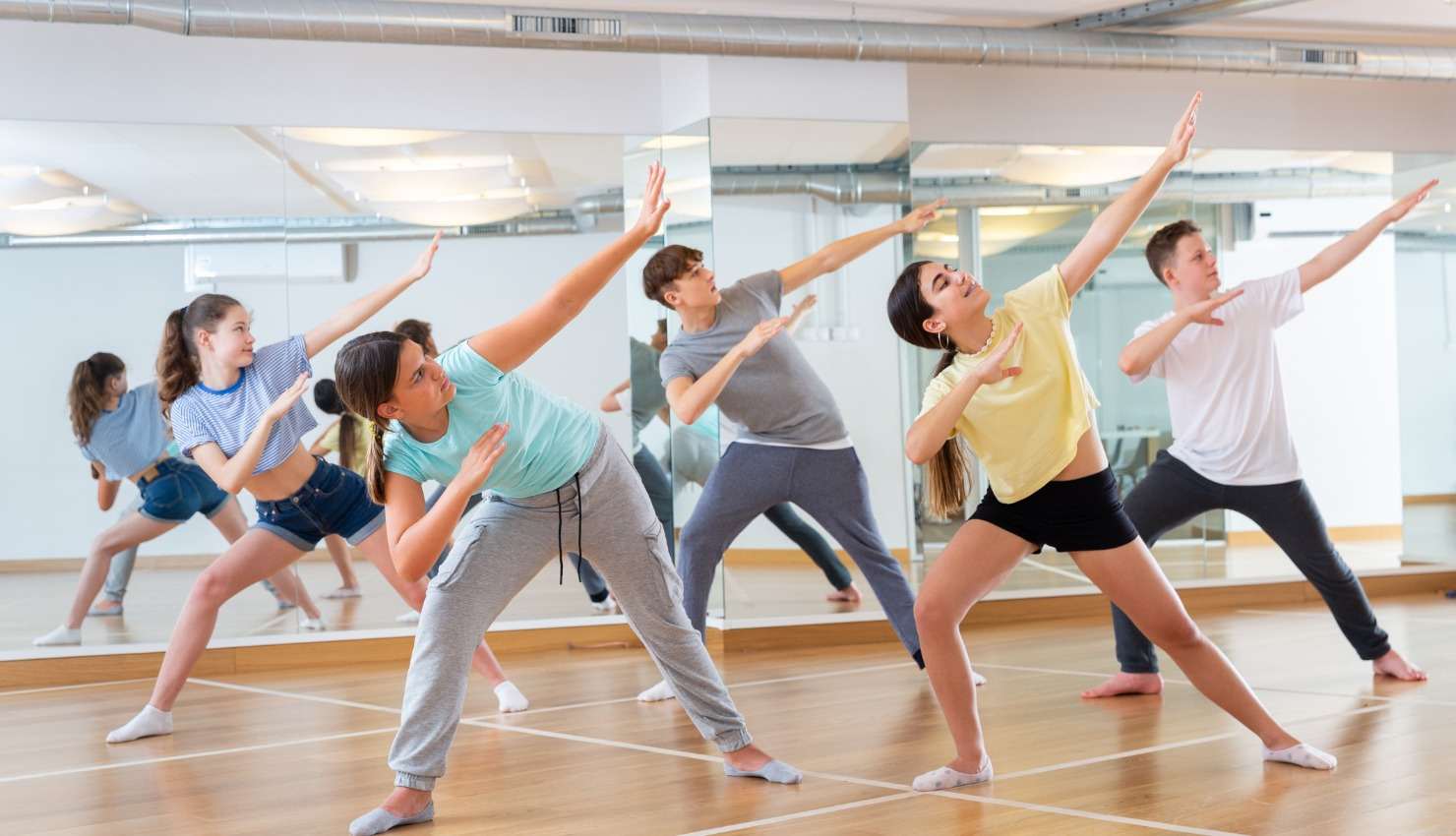
Dancing demands a unique blend of strength, flexibility, balance, and endurance. To meet these physical challenges and prevent injury, many dancers turn to physiotherapya specialized form of care that uses targeted exercises to optimize movement and support the bodys demands. Understanding the types of physiotherapy exercises designed specifically for dancers can empower you to take control of your physical health and enhance your dance performance.
Why Physiotherapy Exercises Are Essential for Dancers
Physiotherapy exercises go beyond general fitness routines. They are designed to address the specific needs and common issues faced by dancers, such as muscle imbalances, joint instability, overuse injuries, and mobility limitations. These exercises aim to improve muscle strength, joint range of motion, coordination, and proprioceptionthe bodys ability to sense its position in space.
Regular physiotherapy exercises help dancers maintain peak physical condition, recover from injury, and reduce the risk of future problems.
Types of Physiotherapy Exercises for Dancers
Strengthening Exercises
Strength training is crucial to support the repetitive and often intense movements in dance. Physiotherapists focus on functional strength, targeting muscles that stabilize the hips, knees, ankles, and core. Exercises may include:
Clamshells and hip abductions: Strengthen the deep hip rotators and gluteus medius, important for turnout and pelvic stability.
Bridges: Engage the gluteal muscles and hamstrings to support the lower back and pelvis.
Resistance band work: Adds progressive resistance to improve muscle endurance and power.
Flexibility and Stretching Exercises
Flexibility enhances the range of motion and fluidity of movement. Physiotherapy stretches are carefully prescribed to lengthen tight muscles safely without causing instability. Common stretches target:
Hip flexors and hamstrings: Often tight in dancers, these muscles benefit from gentle, controlled stretching.
Calf muscles: Important for pointe work and jumps.
Lower back and shoulders: To maintain posture and upper body mobility.
Balance and Proprioception Exercises
Dance requires precise balance and spatial awareness. Physiotherapists use exercises such as single-leg stands, wobble board training, and dynamic balance drills to improve neuromuscular control and coordination.
Core Stability Exercises
A strong core stabilizes the spine and pelvis, supporting efficient movement and injury prevention. Physiotherapy often incorporates Pilates-based exercises, planks, and pelvic floor activation techniques to build core strength.
Joint Mobility Exercises
To prevent stiffness and enhance fluidity, physiotherapists guide gentle joint mobilizations and dynamic movements. These exercises maintain or improve the range of motion in key joints like hips, knees, and ankles.
Neuromuscular Re-education
For dancers recovering from injury, neuromuscular re-education exercises help retrain the brain and muscles to work together efficiently. This can include movement pattern correction and timing drills.
How Physiotherapists Personalize Exercise Programs
Every dancers body and dance style are unique. Physiotherapists perform thorough assessments to identify individual strengths, weaknesses, and injury risks. Based on this, they create tailored exercise programs focusing on areas needing improvement while accommodating your dance schedule and goals.
Regular monitoring and adjustments ensure that exercises evolve with your progress and changing needs.
Incorporating Physiotherapy Exercises into Your Routine
Physiotherapy exercises can be integrated into daily warm-ups, cooldowns, or dedicated training sessions. Physiotherapists provide guidance on proper technique and progression to maximize benefits and prevent overuse.
Consistency is key. Even simple exercises done regularly can lead to significant improvements in strength, flexibility, and injury resilience.
The Role of Education in Exercise Success
Physiotherapists also educate dancers on body mechanics, injury signs, and self-care techniques. Understanding the purpose behind each exercise enhances motivation and adherence, leading to better outcomes.
Conclusion: Empower Your Dance with Physiotherapy Exercises
Physiotherapy exercises are a powerful tool for dancers aiming to improve performance and safeguard their bodies. By focusing on strength, flexibility, balance, and coordination, these exercises help create a strong foundation for graceful and injury-free dancing.
Partnering with a physiotherapist ensures you receive expert guidance tailored to your unique needs. Embrace physiotherapy exercises as a vital part of your dance journey, and watch your body respond with strength, flexibility, and confidence.