Understanding Soft Tissue Injuries and How Physiotherapy Helps with Pain Pulled a muscle during a workout? Rolled your ankle on a walk? Woke up with nagging shoulder pain? Chances are, youre dealing with a soft tissue injury and youre definitely not alone. Soft tissue injuries are among the most common reasons people seek treatment …

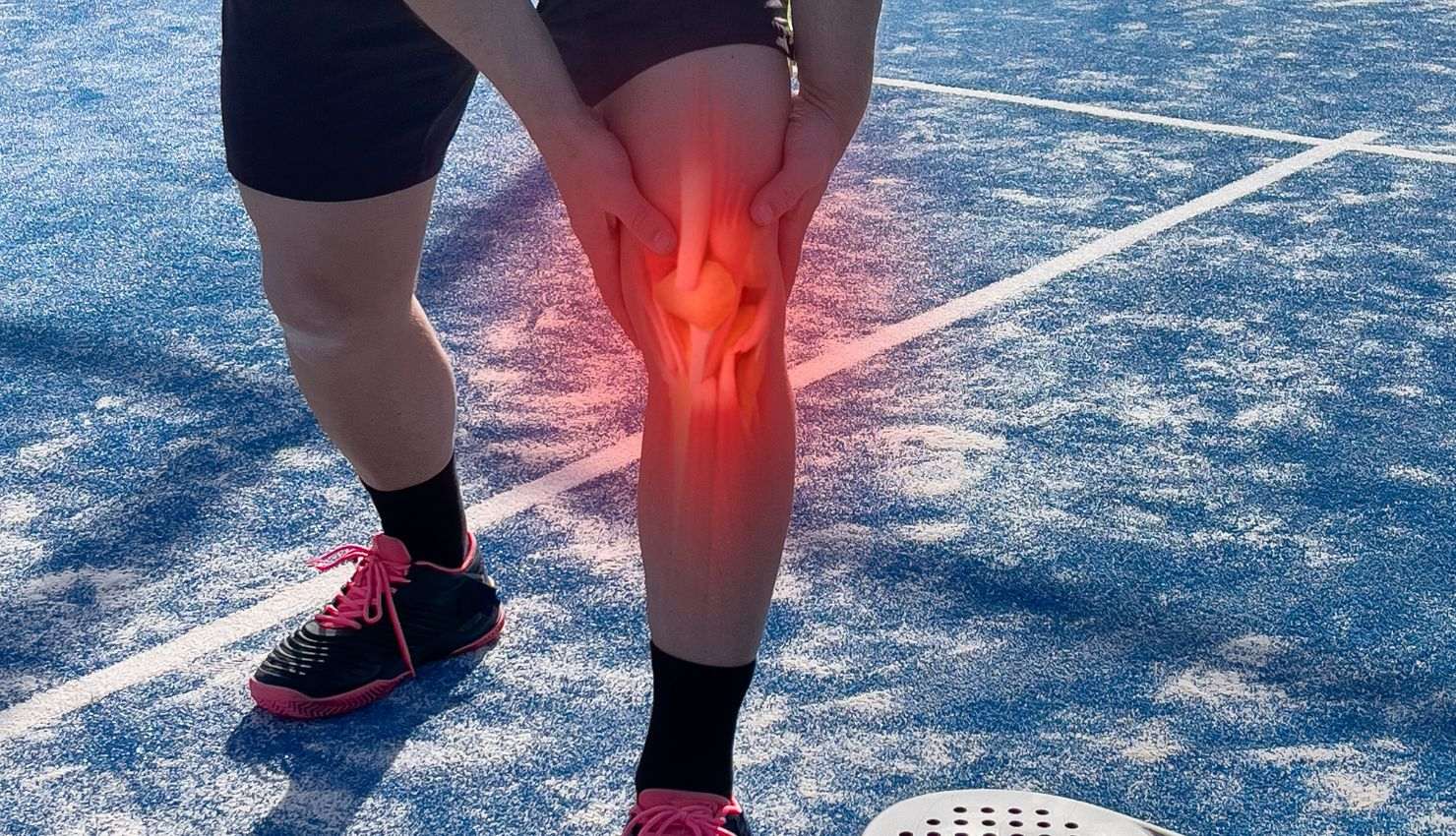
?? Understanding Soft Tissue Injuries and How Physiotherapy Helps with Pain
Pulled a muscle during a workout? Rolled your ankle on a walk? Woke up with nagging shoulder pain? Chances are, youre dealing with a soft tissue injury and youre definitely not alone.
Soft tissue injuries are among the most common reasons people seek treatment for pain and movement issues. But the great news is: you dont have to tough it out or rely on long-term painkillers. Physiotherapy offers a gentle, effective, and science-backed path to healing.
Lets take a closer look at what soft tissue injuries are, what causes them, and how physiotherapy helps you recover faster, stronger, and pain-free.
?? What Is a Soft Tissue Injury?
Soft tissue injuries affect the non-bony structures of the body, like:
Muscles
Tendons (connect muscle to bone)
Ligaments (connect bone to bone)
Fascia (connective tissue covering muscles)
Bursa (small fluid-filled sacs that cushion joints)
These tissues can be strained, torn, bruised, or inflamed due to accidents, overuse, awkward movements, or even poor posture.
?? Common Types of Soft Tissue Injuries
Muscle Strain: Overstretching or tearing of muscle fibers (e.g. hamstring strain)
Ligament Sprain: Stretch or tear of a ligament (e.g. ankle sprain)
Tendonitis: Inflammation of a tendon due to overuse (e.g. tennis elbow)
Bursitis: Inflammation of a bursa, often from repetitive stress (e.g. shoulder bursitis)
Contusions (bruises): Direct impact causing bleeding in muscle tissue
Whether youre an athlete, weekend warrior, or desk job regular, soft tissue injuries can sneak up and stick around if not properly treated.
?? How Physiotherapy Helps with Soft Tissue Injury Pain
Physiotherapy goes beyond simply treating symptoms. It focuses on healing the tissue, restoring movement, and preventing recurrence. Heres how:
1?? Accurate Assessment and Diagnosis
Your physiotherapist will:
Examine the injured area
Assess your strength, flexibility, and range of motion
Identify movement patterns that may have contributed to the injury
This helps pinpoint the true cause of your pain not just where it hurts.
2?? Pain and Swelling Management
In the early stages, reducing pain and inflammation is key. Physios use:
Ice or heat therapy
TENS (electrical stimulation)
Manual therapy to gently reduce muscle tension and swelling
Activity modification to allow healing without full immobilization
This sets the foundation for faster recovery without making things worse.
3?? Targeted Exercise Therapy
As the pain begins to ease, your physiotherapist will guide you through a personalized exercise program that may include:
Gentle range-of-motion exercises
Progressive strengthening to rebuild tissue tolerance
Stretching to restore flexibility
Balance and coordination drills for stability
This helps the injured tissue rebuild properly and reduces the risk of re-injury.
4?? Hands-On Manual Therapy
Physiotherapists use a variety of manual techniques to:
Break up scar tissue or adhesions
Improve blood flow to the area
Ease stiff joints and tight muscles
Enhance overall mobility
These techniques can offer immediate relief and longer-term functional improvements.
5?? Education and Injury Prevention
One of the most important parts of physiotherapy is helping you understand your injury. Youll learn:
What movements or habits to avoid during healing
How to modify your work, sport, or exercise routine
Postural tips and movement corrections
How to return to full activity safely
Physio isnt just about getting better its about staying better.
????? Who Benefits from Physio for Soft Tissue Injuries?
Physiotherapy is helpful for anyone experiencing:
Acute injuries (like a sprained ankle or torn muscle)
Chronic overuse injuries (like tendonitis or repetitive strain)
Post-surgical soft tissue recovery
Pain from poor posture or sedentary lifestyles
Whether youre recovering from a recent injury or managing long-term aches, physiotherapy meets you where you are and helps guide you back to pain-free movement.
? In a Nutshell
Soft tissue injuries may be common, but they dont have to become chronic problems. With the right physiotherapy treatment, you can reduce pain, support healing, and get back to your normal routine stronger and smarter than before.
So if youve been limping, wincing, or pushing through the pain, it might be time to give your body the attention it needs.
Your recovery is just a few guided steps away.