Understanding Spine and Core Rehabilitation explores targeted strategies for recovery. Discover new paths to mobility, healing, and personalized care.

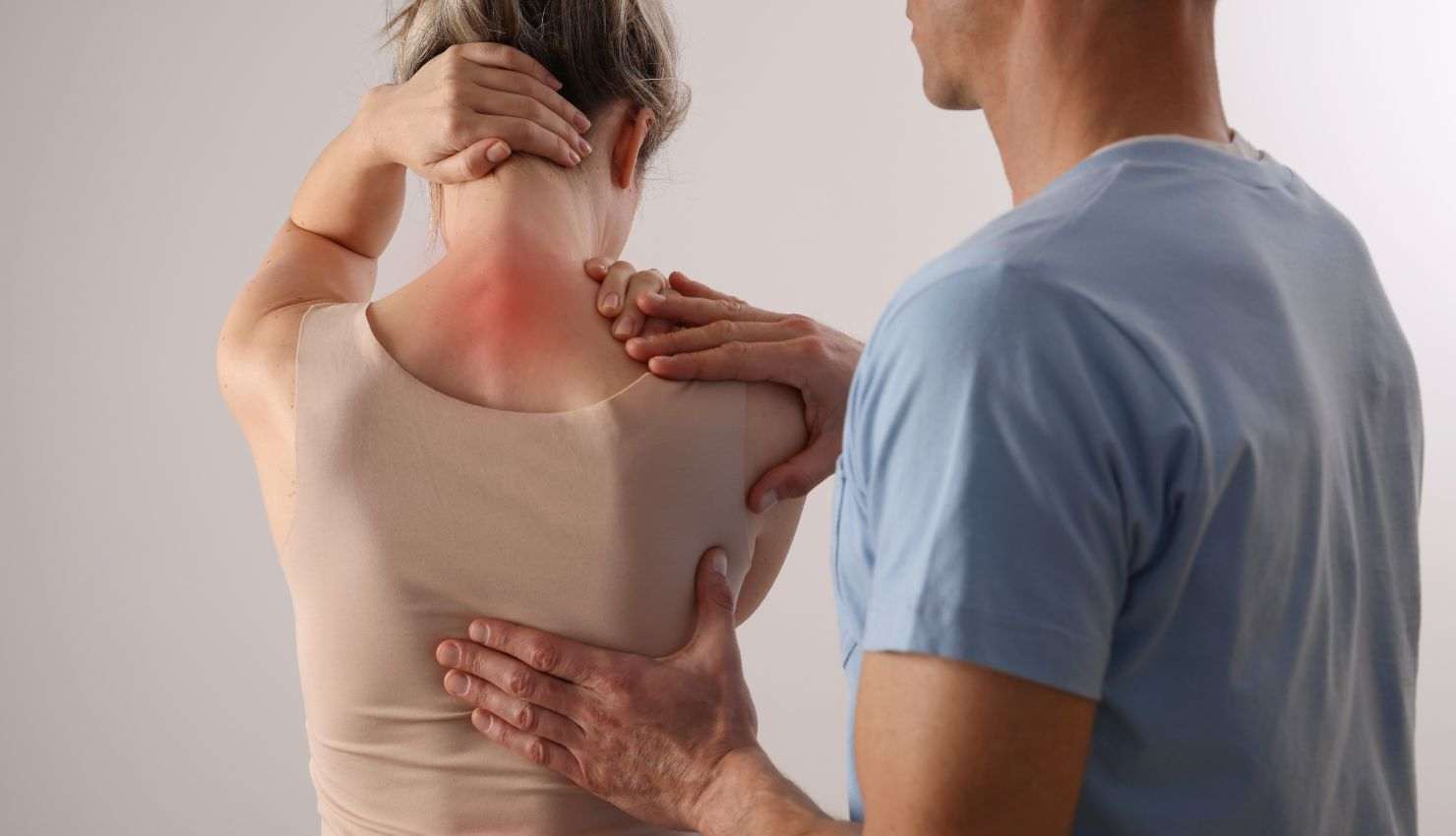
Your spine and core are the backbone of your bodys strength, stability, and overall well?being. At YFS (Your Form & Sux) in Canada, we understand that rehabilitation of the spine and core isnt just about pain reliefits about restoring function, improving posture, and empowering patients to move with confidence. In this comprehensive guide, well unpack the science and strategies behind effective spine and core rehabilitation, using physiotherapy?backed techniques that deliver lasting results.
Why Spine and Core Rehabilitation Matters
Your core comprises more than just your six?pack muscles. It includes a complex network of deep stabilizerslike the transverse abdominis, multifidus, diaphragm, and pelvic floorthat work together to support the spine. When those muscles are weak or out of sync, youre at greater risk for back pain, poor posture, and injury. Thats where focused spine and core rehabilitation comes in:
Spinal stability: A strong core stabilizes the spine during movement, reducing strain on intervertebral discs and joints.
Functional movement: Rehabilitation helps you perform daily activitiesbending, lifting, twistingwith efficiency and safety.
Injury prevention: Whether recovering from sciatica, herniated discs, or degenerative spine conditions, a stable core helps prevent recurrence.
Postural alignment: Proper core activation supports your spine in neutral alignment, fighting slouching, forward head posture, and muscular imbalances.
Core vs. Spine: Rehabilitation Explained
Although intertwined, core and spine rehabilitation exercises serve slightly different goals:
Core rehabilitation focuses on retraining deep stabilizing muscles to hold the spine steady from within. Its less about crunches and more about neuromuscular controlthink bracing, breathing, and pelvic floor engagement.
Spine-specific rehabilitation may involve mobility drills, gentle traction, and hands-on techniques like spinal manipulation or soft tissue release to restore motion segment function and reduce nerve irritation.
Together, these approaches build a foundation that supports healing and functional durability.
The Physiotherapy Approach at YFS
At YFS Canada, our physiotherapists combine evidence-based methods to design personalized spine and core rehabilitation programs. Key pillars of our approach include:
1. Detailed Assessment & Baseline Testing
Before prescribing exercises, we conduct a thorough evaluation: spinal range of motion, neurological signs, core endurance tests, posture analysis, and functional movement assessments. This helps identify how your core muscles and spine work as a systemand where dysfunction lies.
2. Breathing & Activation Training
Many people hold tension or breathe shallowly, which limits core engagement. We promote diaphragmatic breathing techniques paired with transverse abdominis activation. Controlled inhalation lifts the diaphragm; controlled exhalation engages the deep corecreating a dynamic brace around the spine.
3. Progressive Core Control Exercises
We begin with low-load, high-control exercises focusing on technique:
Abdominal bracing
Pelvic floor engagement
Dead bug variations
Bird?dog holds
As core control improves, we increase challenge by progressing load, range, and stability demandoften integrating unstable surfaces or combined limb movements.
4. Spinal Mobility & Manual Therapy
By combining gentle spinal mobilizations, soft tissue mobilization, and scar release techniques as needed, we optimize joint function and reduce tissue restrictions. Physiotherapy ensures you maintain mobility as core strength improves.
5. Integrated Functional Training
Recovery isnt complete until you move with confidence in daily life. We integrate exercises that replicate everyday movements: lifting groceries, squatting, bending, reachingensuring that your spine and core work in harmony during real-world tasks.
6. Education & Self?Management
Understanding posture, ergonomics, and lifestyle triggers is key for long-term spine health. Our rehab includes guidance on workstation setup, safe lifting mechanics, movement habits, and core integration across daily activities.
Timeline of Recovery
While each persons path varies, a typical spine and core rehab progression at YFS follows these stages:
Foundation (Weeks 12): Emphasis on breathing, core activation, basic control
Controlled Loading (Weeks 36): Functional core exercises and gentle spinal mobilizations
Integration (Weeks 712): Dynamic movements, posture reinforcement, and incorporated strength drills
Maintenance & Prevention (Ongoing): Continued home program, ergonomic guidance, occasional tune?ups
Who Can Benefit?
Spine and core rehabilitation isnt just for athletes. It helps a wide range of individuals:
Office workers with poor posture and desk?related back pain
New moms recovering from diastasis recti
Manual laborers healing from strain, sprain, or disc issues
Seniors aiming to build stability and prevent falls
Anyone suffering from sciatica, herniated discs, scoliosis, or spinal stenosis
Tips for Success
Consistency is key Daily home exercises, even just 1015 minutes, build core identity.
Technique over reps Its better to hold a perfect bird?dog for 10 seconds than 20 sloppy ones.
Prioritize posture Check in on posture during standing, sitting and walking.
Stay patient Neural retraining of core muscles requires time, repetition, and feedback.
Seek supervision Especially during early phases, hands?on guidance ensures youre building proper movement habits.
Conclusion
Spine and core rehabilitation is more than a collection of exercisesits a targeted, progressive system based on physiotherapy science. By combining assessment, muscle control, spinal mobility, functional integration, and patient education, YFS Canada helps people heal deeply, move mindfully, and sustain long?term spinal health.
If youre facing back pain, postural concerns, or a desire to build resilient movement, our team at YFS is here to guide you. Press n to receive the next high?quality, SEO?rich blog designed to support your spine, core, and overall well?being.