Understanding Sports-Specific Therapy and Its Role in Athletic Recovery explores targeted strategies for recovery. Discover new paths to mobility, healing, and personalized care.

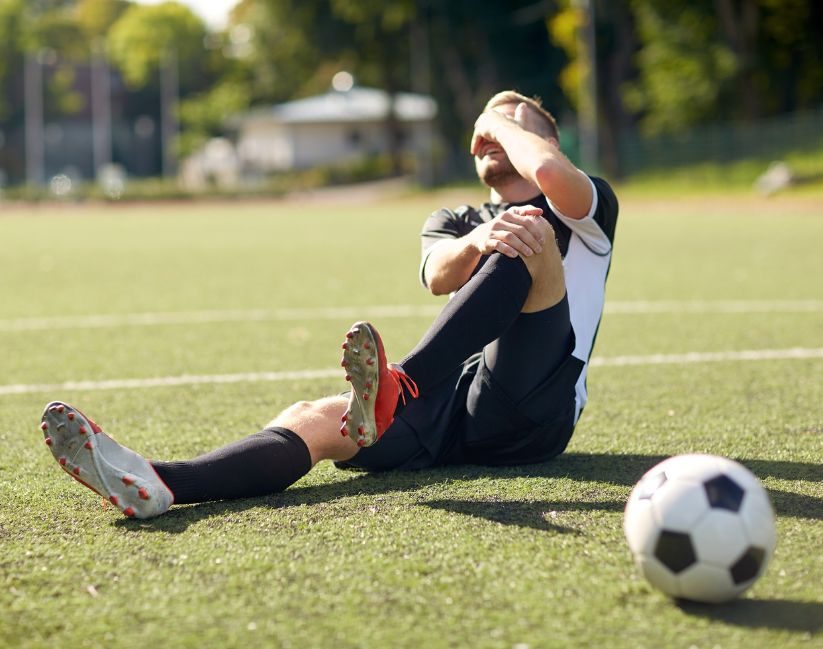
In the world of sports, every athletes body is unique, and so are their injuries. Whether its a sprained ankle from soccer, a rotator cuff strain from swimming, or a hamstring pull in track, effective recovery requires more than just rest it needs a tailored approach that understands the specific demands of each sport. This is where sports-specific therapy steps in, revolutionizing how athletes heal and get back to peak performance faster.
What Is Sports-Specific Therapy?
Sports-specific therapy is a highly specialized branch of physiotherapy focused on the unique movements, muscle groups, and injury patterns associated with particular sports. Unlike general physiotherapy, which addresses broad musculoskeletal issues, sports-specific therapy drills down into the biomechanics and physical demands of an athletes sport to provide a precise, personalized rehabilitation plan.
Why Does Sports-Specific Therapy Matter?
Athletic recovery isnt one-size-fits-all. Sports vary widely in their physical requirements a swimmer needs shoulder mobility and endurance, while a football player relies on explosive strength and joint stability. An effective recovery program considers these nuances by:
Targeting the exact muscles and joints stressed in the sport
Incorporating movement patterns athletes use in competition
Addressing sport-specific risk factors for injury recurrence
Enhancing performance post-recovery, not just healing
This approach not only speeds recovery but also reduces the likelihood of re-injury.
How Does Sports-Specific Therapy Work?
Initial Assessment
The process begins with a thorough assessment tailored to the athletes sport, injury, and fitness level. Therapists evaluate:
Range of motion relevant to sport-specific movements
Muscle strength and imbalances related to the sports demands
Joint stability and proprioception
Functional movement patterns like running, throwing, or jumping
Customized Rehabilitation Plan
Based on this evaluation, a therapy plan is designed to restore injured tissues and progressively reintroduce sport-specific activities. For example:
A basketball player recovering from an ankle sprain will focus on lateral movement drills.
A tennis player with a shoulder injury will work on rotational strength and flexibility.
A runner with knee pain will target hip and core stability to improve gait.
Use of Advanced Modalities
Sports-specific therapy often incorporates advanced treatment tools such as:
Manual therapy to reduce pain and improve mobility
Neuromuscular electrical stimulation (NMES) to activate weakened muscles
Dry needling for trigger point release
Functional training with balance boards, agility drills, and sport-specific equipment
Gradual Return to Sport
An essential phase involves a carefully monitored return-to-sport program. Athletes gradually increase activity intensity and complexity under therapist supervision to rebuild confidence and ensure readiness.
Benefits of Sports-Specific Therapy in Athletic Recovery
Faster and Safer Recovery
By focusing on the exact tissues and movements affected, sports-specific therapy optimizes healing and reduces downtime.
Improved Performance
Rehabilitation targets weaknesses and imbalances that may have contributed to injury, enhancing overall athletic ability.
Injury Prevention
Therapy includes education and training to minimize future injury risks by correcting movement flaws and strengthening vulnerable areas.
Psychological Support
Working with a therapist who understands the sport boosts athlete confidence and motivation throughout recovery.
Examples Across Sports
Runners benefit from therapy focused on gait mechanics, hip stability, and core strength to overcome common injuries like IT band syndrome or plantar fasciitis.
Football players undergo strength and conditioning alongside proprioceptive training to recover from ligament injuries and reduce re-injury risk.
Tennis players improve shoulder flexibility and rotational strength, essential for recovering from tennis elbow or rotator cuff issues.
Swimmers focus on shoulder stabilization and scapular control to prevent overuse injuries common in repetitive overhead motion.
Why Choose YourFormsUX for Sports-Specific Therapy?
In Canada, YourFormsUX stands out by offering expert sports-specific physiotherapy tailored to each athletes unique needs. Their team combines deep knowledge of sports science with hands-on care, ensuring athletes get comprehensive rehabilitation and guidance through every phase of recovery.