Understanding Structural Integration for Full-Body Wellness explores targeted strategies for recovery. Discover new paths to mobility, healing, and personalized care.

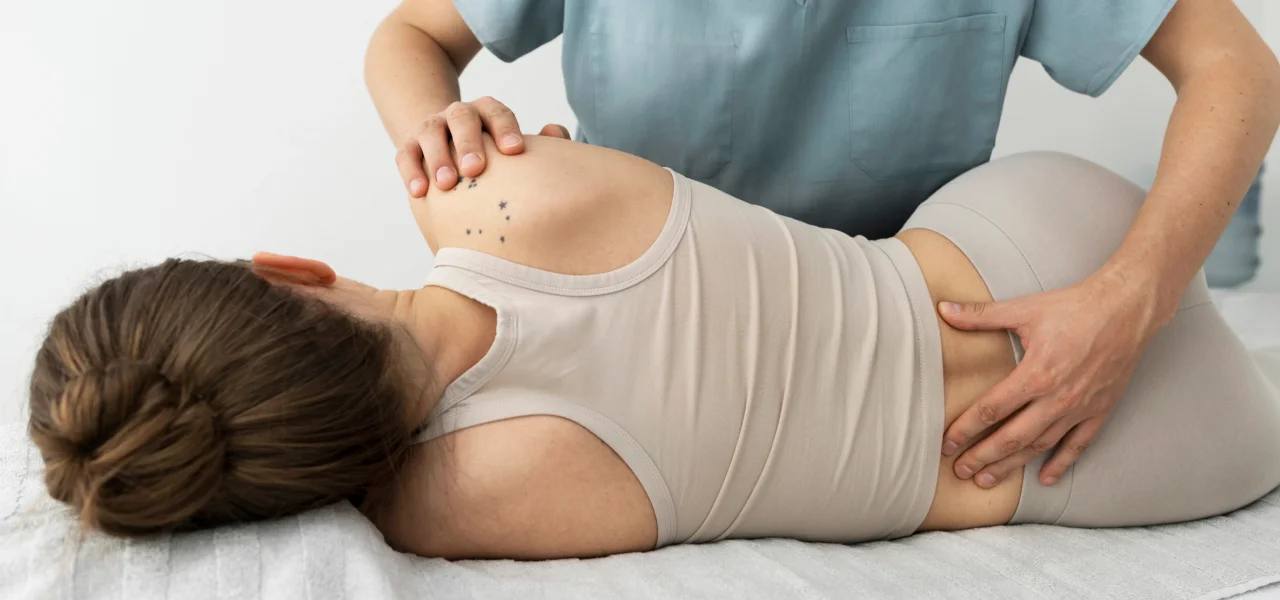
When it comes to wellness, many people focus on diet, exercise, and mental healthbut what about your bodys structure? How you carry yourself, how your muscles and fascia support your skeleton, and how balanced your posture isall these play a huge role in your overall wellbeing.
Thats where Structural Integration (SI) comes in. Its a holistic, hands-on therapy that works to realign and balance your entire body, helping you feel more comfortable, move more freely, and support your full-body health.
What Is Structural Integration?
Structural Integration is a form of bodywork focused on the fasciathe connective tissue that wraps muscles, bones, and organs. Over time, fascia can become tight, restricted, or uneven due to injury, stress, poor posture, or repetitive habits.
Through a series of sessions, SI practitioners use precise, deep touch to release these restrictions, realign your body within gravity, and educate you about movement and posture.
How Structural Integration Supports Full-Body Wellness
1. Improves Posture and Alignment
Good posture isnt just about looking tallerit supports your organs, breathing, digestion, and reduces strain on muscles and joints. SI helps your body find its natural alignment, making everyday movement easier and more efficient.
2. Enhances Mobility and Flexibility
By freeing tight fascia and balancing muscle tension, SI increases your range of motion and flexibility, reducing stiffness and the risk of injury.
3. Balances Muscular Function
SI addresses muscular imbalances, helping muscles work together harmoniously for better strength, endurance, and movement quality.
4. Promotes Circulation and Detoxification
Releasing fascial restrictions improves blood and lymph flow, supporting your bodys natural healing and detoxification processes.
5. Reduces Chronic Pain and Tension
Many people experience relief from persistent aches and pains as SI addresses underlying structural causes, not just symptoms.
6. Supports Emotional and Mental Wellbeing
Since the body holds emotional tension, SIs holistic approach often leads to greater relaxation, stress reduction, and emotional balance.
Who Can Benefit from Structural Integration?
Anyone with chronic pain or stiffness
Athletes seeking performance and recovery support
People with postural or movement issues
Those managing stress-related tension
Anyone interested in holistic health and body awareness
Final Thoughts
Structural Integration offers a unique path to full-body wellness by realigning your structure, releasing tension, and enhancing your bodys natural function. Its more than a therapyits an invitation to move through life with greater ease, balance, and vitality.
If youre curious about how Structural Integration can support your overall health, consider exploring this transformative approach to bodywork.