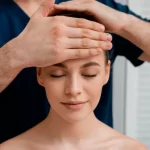
Understanding the Benefits of Falls Prevention Programs for Older Adults explores targeted strategies for recovery. Discover new paths to mobility, healing, and personalized care.


Falls are one of the biggest health risks for older adults, often leading to serious injuries, loss of independence, and even life-threatening complications. But the good news is that falls are not an inevitable part of aging. With the right strategies, seniors can significantly reduce their risk. One of the most effective approaches to this is through falls prevention programs led by physiotherapy professionals.
Why Falls Prevention Matters for Seniors
Statistics show that approximately one in three adults aged 65 and older experiences a fall each year. Falls can result in fractures, head injuries, and prolonged hospital stays. Beyond the physical harm, falls often cause fear, which can lead to reduced activity levels, social isolation, and declining health.
Preventing falls is crucial to preserving seniors health, mobility, and independence. Thats why falls prevention programs have become a vital part of senior healthcare.
What Are Falls Prevention Programs?
Falls prevention programs are comprehensive, evidence-based initiatives designed to identify risk factors and provide seniors with the tools and exercises they need to stay safe. These programs typically involve:
Assessments to identify individual fall risks
Strength and balance training
Home safety education
Gait and mobility improvement
Education on assistive devices
Physiotherapists play a central role in designing and implementing these programs.
How Physiotherapy Supports Falls Prevention
Physiotherapists are experts in human movement and rehabilitation. They assess seniors for specific fall risks such as muscle weakness, balance problems, poor vision, or medication side effects. Based on this assessment, they create personalized interventions that target the root causes of falls.
1. Strength Training
Muscle strength, especially in the legs and core, is critical for maintaining balance and reacting to sudden shifts in posture. Physiotherapy programs focus on strengthening exercises that enhance stability and support joints.
2. Balance and Coordination Exercises
Physiotherapists guide seniors through exercises that improve balance, proprioception (body awareness), and coordination, reducing the chance of tripping or losing footing.
3. Gait Training and Mobility Enhancement
Abnormal walking patterns can increase fall risk. Physiotherapists analyze gait and teach corrective techniques to improve walking safety and efficiency.
4. Education and Environmental Modifications
Many falls occur due to environmental hazards like loose rugs, poor lighting, or clutter. Physiotherapists educate seniors and caregivers on home modifications that create safer living spaces.
5. Use of Assistive Devices
When necessary, physiotherapists recommend and train seniors in the proper use of canes, walkers, or other aids that support safe mobility.
Benefits Beyond Fall Reduction
Falls prevention programs dont just reduce fallsthey also improve overall fitness, confidence, and quality of life. Seniors who participate often experience less pain, greater independence, and enhanced social engagement.
When Should Seniors Consider a Falls Prevention Program?
Seniors with any of the following should strongly consider joining a falls prevention program:
History of one or more falls
Muscle weakness or balance issues
Use of multiple medications
Chronic conditions affecting mobility (e.g., arthritis, Parkinsons)
Vision problems
Early intervention is key to preventing first-time falls.
How to Get Started
Many community centers, healthcare facilities, and physiotherapy clinics offer falls prevention programs tailored for seniors. Starting with a thorough assessment by a physiotherapist ensures the program is safe and effective.
Final Thoughts
Falls are a serious risk for older adults but are highly preventable with the right support. Falls prevention programs, led by skilled physiotherapists, provide seniors with the strength, balance, and knowledge they need to stay safe and independent. For seniors and families, investing time in these programs is one of the best steps toward healthier, more confident aging.