Bringing a baby into the world is a transformative experience, both emotionally and physically. While the focus often stays on the newborn, the postpartum recovery of the motherespecially her pelvic floor healthdeserves equal attention.

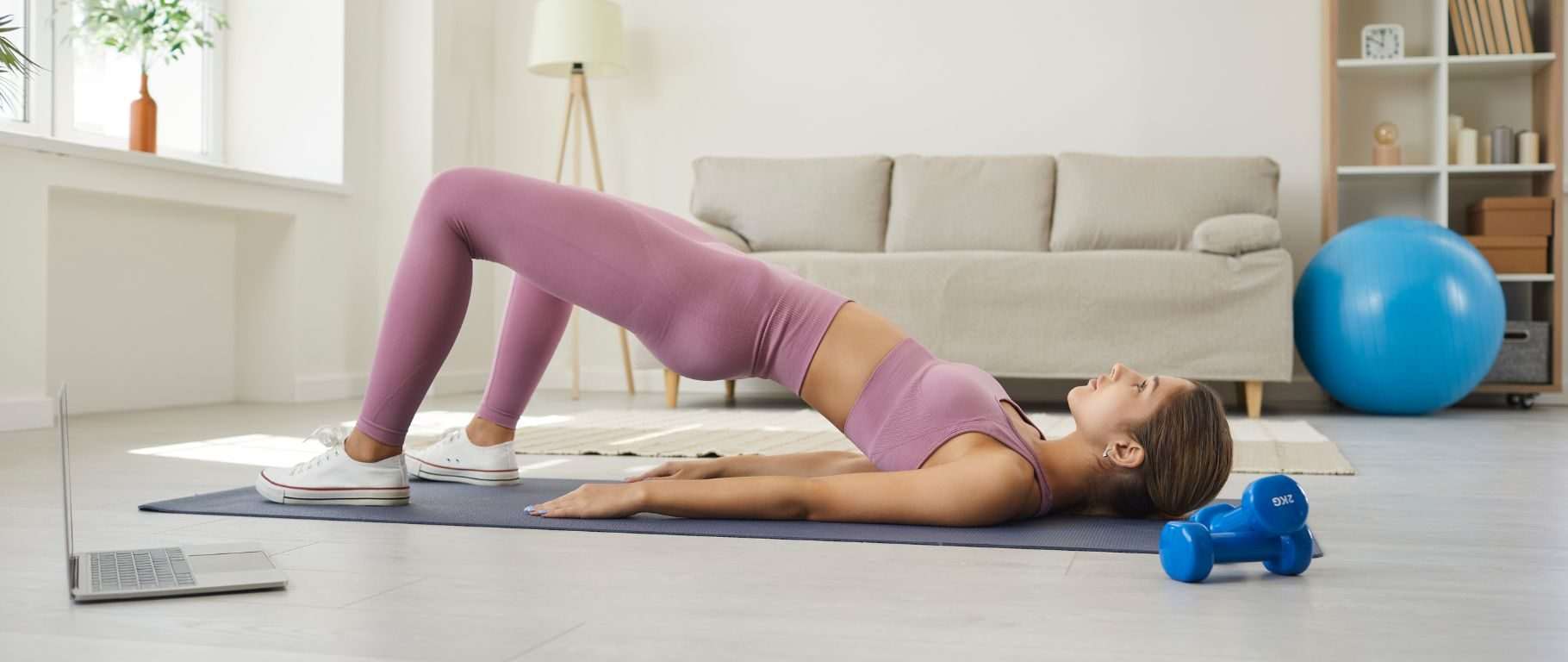
Bringing a baby into the world is a transformative experience, both emotionally and physically. While the focus often stays on the newborn, the postpartum recovery of the motherespecially her pelvic floor healthdeserves equal attention. Pelvic floor physiotherapy after birth plays a critical role in ensuring long-term well-being, core stability, bladder and bowel control, and overall quality of life. In Canada, where postpartum health awareness is increasing, more women are turning to pelvic floor therapy to regain control of their bodies and confidently return to daily activities.
What Is Pelvic Floor Physiotherapy?
Pelvic floor physiotherapy is a specialized branch of physiotherapy that focuses on the muscles, ligaments, and connective tissue in the pelvic region. These muscles support the bladder, uterus, rectum, and play a key role in core strength, continence, and sexual function. After childbirth, these muscles often become stretched, weakened, or even damaged. Pelvic floor physiotherapy helps assess, rehabilitate, and strengthen these vital structures.
Postpartum Changes That Affect the Pelvic Floor
Childbirth, particularly vaginal delivery, places immense strain on the pelvic floor. Tearing, episiotomies, prolonged pushing stages, and instrumental deliveries (like forceps or vacuum) can all result in trauma to the pelvic muscles and nerves. Even C-sections, though not directly affecting the vaginal canal, can disrupt abdominal and pelvic muscle coordination.
Common postpartum pelvic floor issues include:
Urinary incontinence (leaking when coughing, laughing, or sneezing)
Pelvic organ prolapse (a sensation of pressure or heaviness in the vaginal area)
Pain during intercourse
Lower back and pelvic pain
Constipation or difficulty emptying the bowel
A feeling of instability in the core
These symptoms are often dismissed as “normal” after birth, but they are not conditions mothers should accept or live with long-term.
Key Benefits of Pelvic Floor Physiotherapy After Birth
1. Restores Bladder and Bowel Control
Urinary incontinence is one of the most common issues new mothers face. Pelvic floor physiotherapists use targeted exercises and biofeedback techniques to retrain the muscles responsible for continence. Regaining control over bladder and bowel function enhances comfort, reduces anxiety, and restores confidence.
2. Speeds Up Postpartum Recovery
Postnatal pelvic floor physiotherapy facilitates faster and more complete healing by addressing not just symptoms but the underlying dysfunction. This leads to better alignment, improved mobility, and greater ease in caring for the babywhether lifting, nursing, or performing daily tasks.
3. Reduces the Risk of Prolapse
Pelvic organ prolapse can occur when the pelvic muscles are too weak to support internal organs. Women may feel a bulging sensation in the vaginal area or discomfort while walking. Physiotherapy strengthens the pelvic floor and provides guidance on safe movements, reducing future risk and managing early symptoms effectively.
4. Improves Sexual Health and Comfort
Pain during intercourse is a sensitive topic but a common issue postpartum. Scar tissue, muscle tightness, and trauma from childbirth can lead to discomfort or avoidance of intimacy. A pelvic floor physiotherapist can help desensitize tissue, improve blood flow, and restore pelvic muscle function to make sexual activity comfortable and enjoyable again.
5. Enhances Core Strength and Stability
The pelvic floor is part of the bodys core support system, working together with the diaphragm, deep abdominal muscles, and spinal stabilizers. Rebuilding the core after pregnancy involves more than doing sit-upsit requires coordinated rehabilitation of the pelvic floor. This helps prevent back pain, improves posture, and allows safe return to exercise.
6. Supports Mental Health Through Empowerment
Physical symptoms often take a toll on emotional well-being. Feeling out of control of your body, dealing with leaks, or avoiding intimacy can lead to frustration, anxiety, or low self-esteem. Physiotherapy sessions offer a safe, validating space to address these concerns, empowering women to take charge of their recovery.
When to Begin Pelvic Floor Physiotherapy
In Canada, many pelvic health professionals recommend beginning pelvic floor physiotherapy around six weeks postpartum, following clearance from a healthcare provider. However, its never too late to begin. Even years after childbirth, women can benefit from pelvic floor rehabilitation if they are experiencing symptoms.
Early intervention provides the best outcomes, but even mild symptoms should not be ignored. Subtle leaks, pelvic pressure, or pain during sex may seem manageable at first but often worsen over time if left untreated.
What to Expect in a Postpartum Pelvic Floor Assessment
Your initial pelvic floor assessment typically includes:
A thorough discussion of your birth experience and symptoms
A physical examination (which may involve internal assessment with your consent)
Evaluation of breathing patterns, posture, and core engagement
A personalized treatment plan, including pelvic floor exercises, posture correction, and lifestyle recommendations
Follow-up sessions may include manual therapy, electrical stimulation, biofeedback, and education on safe lifting and movement techniques.
The Role of Education and Preventative Care
Pelvic floor physiotherapy is not just about recoveryits also about prevention. Educating women on how to lift properly, breathe correctly, and perform safe movements while carrying or feeding their baby helps prevent further strain. A physiotherapist can also guide women planning future pregnancies on maintaining pelvic health between births.
Final Thoughts
Understanding the benefits of pelvic floor physiotherapy after birth can be a life-changing realization for many women. This essential care addresses not only physical discomforts but also helps women feel strong, supported, and capable in their new role. At YourFormSux in Canada, empowering postpartum women through evidence-based, compassionate pelvic health physiotherapy is a core mission. Prioritizing this care is not indulgentits essential for long-term wellness.
If you’ve given birth recently or are still experiencing symptoms months or years later, seeking help is a positive, powerful step. Your pelvic health mattersand healing starts with awareness and action.