Muscle imbalances occur when one group of muscles becomes stronger or more dominant than its opposing muscle group. This imbalance can lead to altered posture, abnormal movement patterns, and excess strain on muscles, joints, and ligaments, ultimately resulting in pain.

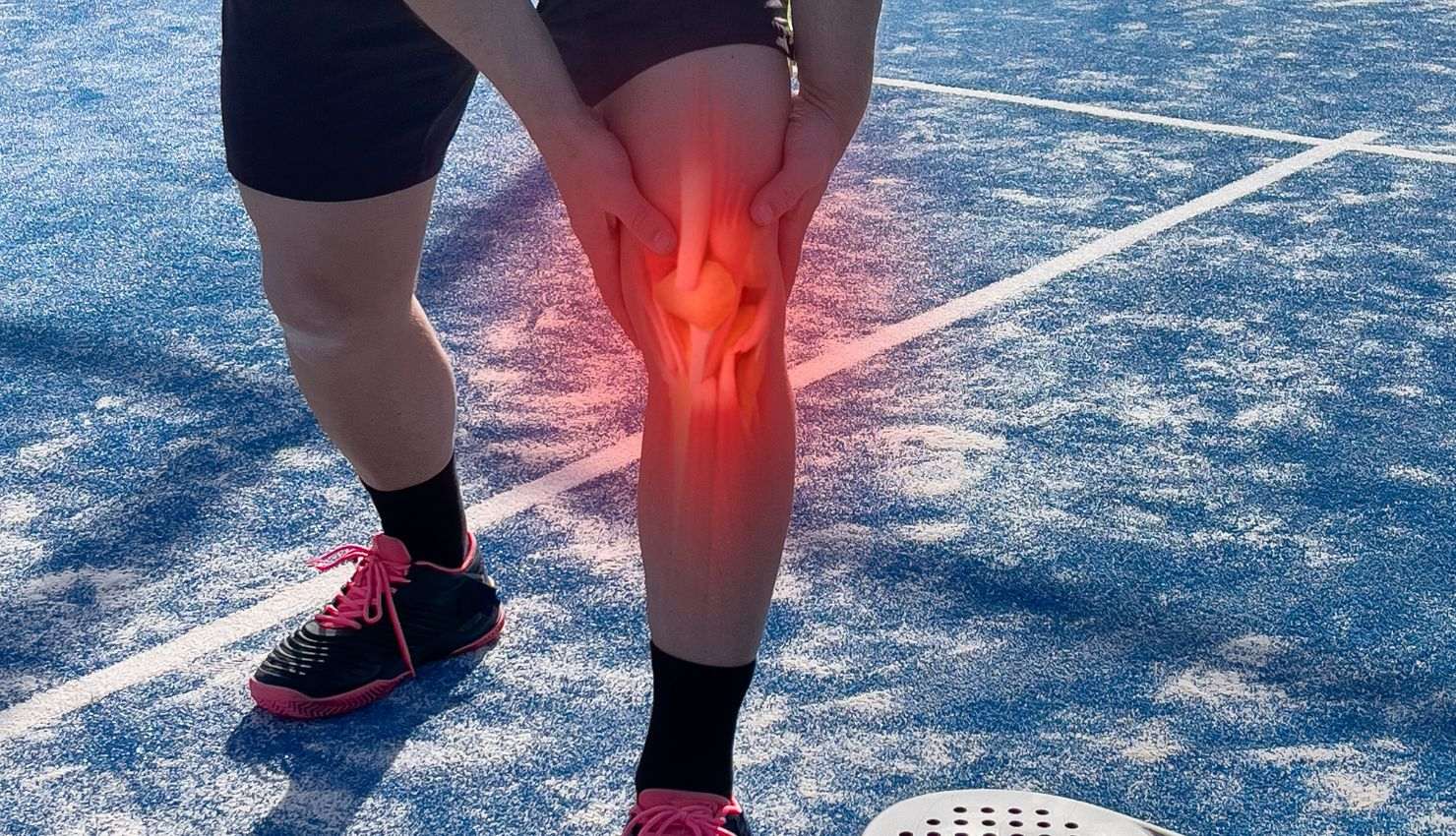
Muscle imbalances occur when one group of muscles becomes stronger or more dominant than its opposing muscle group. This imbalance can lead to altered posture, abnormal movement patterns, and excess strain on muscles, joints, and ligaments, ultimately resulting in pain. Whether due to poor posture, overuse, or injury, muscle imbalances are a common underlying cause of chronic pain, particularly in areas like the lower back, neck, shoulders, and knees.
Understanding how muscle imbalances contribute to pain can help you take the necessary steps to restore balance and improve your overall movement and health.
### **1. What Are Muscle Imbalances?**
Muscle imbalances occur when one muscle or group of muscles is stronger, tighter, or more active than its opposing muscle group. The body functions best when muscles work together in a balanced way. When one group of muscles becomes overactive or tight, it can pull the bones or joints out of alignment, placing excess stress on the bodys other structures. Over time, this imbalance can lead to discomfort, pain, and even injury.
#### **Common Examples of Muscle Imbalances:**
* **Upper Crossed Syndrome**: In this condition, the chest muscles (pectoralis major) and upper traps/neck muscles are tight and overactive, while the upper back muscles (rhomboids, middle traps) and neck flexors are weak and underactive. This imbalance often leads to forward head posture, rounded shoulders, and neck and shoulder pain.
* **Lower Crossed Syndrome**: This is characterized by tightness in the hip flexors and lower back muscles, with weakness in the glutes, hamstrings, and abdominal muscles. It often results in lower back pain, tight hips, and poor posture.
* **Pelvic Imbalances**: Muscle imbalances around the pelvis, such as tight hip flexors or weak glutes, can cause discomfort in the lower back, hips, and knees, often contributing to conditions like sciatica or IT band syndrome.
—
### **2. How Muscle Imbalances Contribute to Pain**
When one group of muscles becomes too strong or tight compared to the opposing muscle group, it causes an imbalance that can affect posture, movement, and alignment. Over time, this abnormal muscle activity leads to pain and potential injury.
#### **How Muscle Imbalances Cause Pain:**
* **Altered Posture**: Muscle imbalances can change the natural alignment of the body. For example, tight hip flexors and weak glutes can cause an anterior pelvic tilt, leading to lower back pain. Similarly, imbalances in the neck and shoulder muscles can lead to forward head posture, resulting in neck and shoulder pain.
* **Increased Strain on Joints and Ligaments**: When muscles are not balanced, they place additional strain on the joints and ligaments. For instance, an imbalance in the muscles around the knee, such as tight quadriceps or weak hamstrings, can increase stress on the knee joint, leading to knee pain or injuries like patellar tendinitis.
* **Restricted Range of Motion**: Tight muscles limit the range of motion of joints, which leads to stiffness and discomfort. For example, tight hamstrings can reduce flexibility and mobility in the hips, causing strain on the lower back or knees during activities like bending or lifting.
* **Muscle Fatigue and Overuse**: When one group of muscles is compensating for the weakness of its opposing muscles, it often leads to overuse and fatigue. This can result in chronic pain and conditions like tendinitis or muscle strains.
—
### **3. How Poor Posture and Movement Patterns Contribute to Muscle Imbalances**
Poor posture is a common cause of muscle imbalances. When you sit, stand, or move in improper positions for extended periods, certain muscles become overused and tight, while others become weak and underactive. For example, people who spend long hours sitting at a desk tend to develop tight hip flexors and weak glutes, leading to a pelvis tilt that strains the lower back.
#### **How Poor Posture Contributes to Imbalances:**
* **Prolonged Sitting**: Sitting for long periods causes the hip flexors to shorten and tighten, while the glutes and abdominal muscles weaken. This leads to lower back pain and discomfort from a misaligned pelvis.
* **Text Neck**: Looking down at phones or computers for long periods can lead to tight neck muscles (upper traps, levator scapulae) and weak neck flexors, causing neck pain, headaches, and poor posture.
* **Lack of Movement**: Sitting or standing in one position for extended periods can cause certain muscles to become stiff and immobile, leading to imbalances. Regular movement helps activate and balance the muscles that support the joints.
—
### **4. The Role of Muscle Imbalances in Chronic Pain**
When left unaddressed, muscle imbalances can lead to chronic pain, as they perpetuate abnormal movement patterns, strain on muscles and joints, and further compensation from other muscles. Over time, these imbalances can lead to chronic conditions such as:
* **Chronic Back Pain**: Muscle imbalances, such as weak core muscles or tight hip flexors, can lead to an abnormal pelvic tilt, placing undue stress on the lower back and causing pain.
* **Chronic Neck Pain**: Weak upper back muscles and tight chest or neck muscles can lead to poor posture (forward head posture), which strains the cervical spine and leads to chronic neck pain.
* **Knee Pain**: Weak quadriceps or hamstrings combined with tight calf muscles or hip flexors can lead to poor knee alignment, contributing to conditions like patellar tendinitis or IT band syndrome.
By addressing muscle imbalances early on, you can reduce the risk of developing chronic pain and prevent further injury.
—
### **5. How Physiotherapy Addresses Muscle Imbalances**
Physiotherapists use a combination of techniques to assess, correct, and prevent muscle imbalances. A physiotherapy program for muscle imbalances will typically involve a combination of exercises, manual therapy, education, and lifestyle changes aimed at restoring balance to the muscles and improving posture.
#### **How Physiotherapists Correct Muscle Imbalances:**
* **Posture and Alignment Training**: Physiotherapists assess your posture and movement patterns, identifying any abnormal postures that may be contributing to muscle imbalances. They then provide exercises and education to help correct these postural issues and reduce strain on the muscles and joints.
* **Stretching Tight Muscles**: Tight muscles need to be stretched to restore flexibility and allow for proper movement patterns. For example, stretching the hip flexors can help relieve lower back pain caused by tightness in that area.
* **Strengthening Weak Muscles**: Physiotherapists design strengthening exercises to target weak or underactive muscles. For example, strengthening the glutes and core can help address imbalances caused by weak muscles in the pelvis and lower back.
* **Manual Therapy**: Techniques like massage, myofascial release, and joint mobilization can help release muscle tension, improve circulation, and restore normal muscle function.
* **Movement Retraining**: Physiotherapists teach patients how to move and perform activities with proper mechanics to prevent overuse and correct abnormal movement patterns that contribute to muscle imbalances.
—
### **6. Preventing Future Muscle Imbalances**
Once muscle imbalances have been identified and corrected, its important to maintain a balanced exercise routine that prevents future imbalances from developing. Physiotherapists provide education on how to incorporate regular exercises that target both strength and flexibility to maintain balance.
#### **Prevention Strategies Include:**
* **Regular Exercise**: Engaging in a well-rounded fitness routine that includes strength training, stretching, and cardiovascular exercises helps maintain muscle balance and overall health.
* **Core Stability Exercises**: Strengthening the core muscles can help support the spine and prevent imbalances in the upper and lower body.
* **Ergonomic Adjustments**: Physiotherapists may provide advice on making ergonomic changes to your workspace or daily routine to promote better posture and reduce muscle strain.
—
### **7. The Benefits of Correcting Muscle Imbalances**
Correcting muscle imbalances offers several benefits, including:
* **Reduced Pain**: Addressing muscle imbalances helps alleviate strain on muscles and joints, reducing the pain associated with conditions like back pain, neck pain, and joint pain.
* **Improved Mobility**: Restoring flexibility and strength in the affected muscles improves the range of motion and allows for better movement and functionality.
* **Enhanced Performance**: Correcting muscle imbalances improves posture, strength, and coordination, leading to better performance in both daily activities and sports.
* **Prevention of Injury**: Properly balanced muscles are less prone to overuse injuries, muscle strains, or joint misalignment, preventing future injuries and promoting long-term health.
—
### **Conclusion**
Muscle imbalances are a significant cause of pain, particularly in the back, neck, and joints. By addressing these imbalances through physiotherapy, individuals can reduce pain, improve movement, and prevent future injury. Physiotherapy focuses on restoring strength, flexibility, and proper movement patterns to ensure the muscles work in harmony, providing support and stability to the body. If you are experiencing chronic pain related to muscle imbalances, seeking the guidance of a physiotherapist can help you correct these issues and improve your quality of life.