Pelvic health and physical fitness are deeply interconnected. While most people think of fitness in terms of cardio, strength, and flexibility, few realize that the pelvic floor plays a foundational role in supporting nearly every movement.

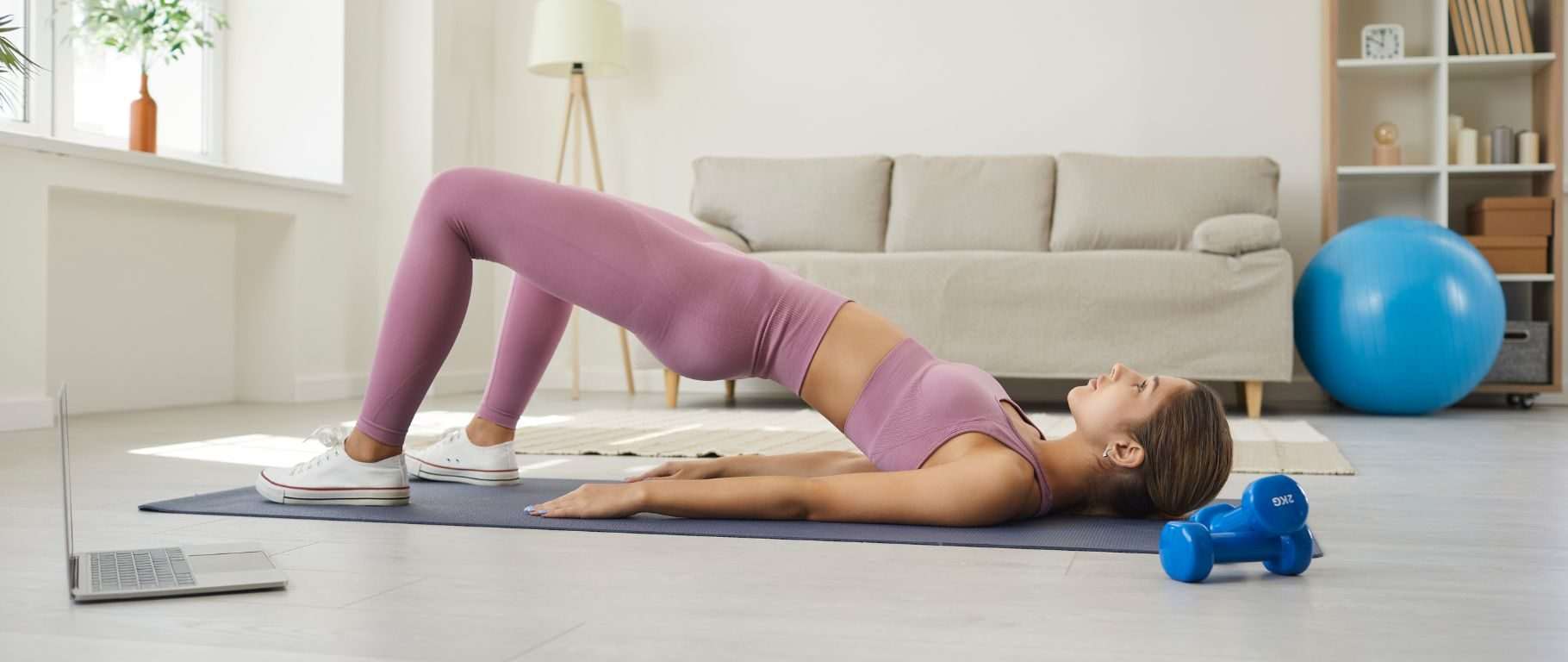
Pelvic health and physical fitness are deeply interconnected. While most people think of fitness in terms of cardio, strength, and flexibility, few realize that the pelvic floor plays a foundational role in supporting nearly every movement. For women in Canadaespecially those returning to exercise, recovering from injury, or managing conditions like incontinenceunderstanding this link is essential for long-term wellness and performance.
What Is the Pelvic Floors Role in Physical Fitness?
The pelvic floor is a group of muscles and connective tissue that spans the bottom of the pelvis. These muscles support the bladder, uterus, and rectum while contributing to stability, posture, and intra-abdominal pressure control. When working well, the pelvic floor:
Supports the spine during lifting and movement
Helps manage pressure from activities like jumping or running
Coordinates with abdominal and back muscles for balance and strength
Controls bladder and bowel function
Weak or dysfunctional pelvic floor muscles can lead to incontinence, pelvic organ prolapse, hip pain, and a higher risk of injury during exercise.
Common Fitness Challenges Linked to Poor Pelvic Health
Many women experience exercise-related issues without realizing they are pelvic floor related. These include:
Leaking During Workouts: Urinary incontinence during jumping jacks or running is often a sign of weak or poorly coordinated pelvic floor muscles.
Core Weakness: An unstable core can result from poor pelvic muscle engagement, making it difficult to progress in strength or stability training.
Hip and Lower Back Pain: Pelvic floor dysfunction often contributes to compensatory movement patterns, placing strain on other joints.
Poor Posture: Pelvic alignment impacts spinal curvature and standing posture, both essential for efficient movement.
Addressing pelvic health can resolve or prevent these issues and significantly improve fitness outcomes.
How Physiotherapy Bridges the Gap
A pelvic health physiotherapist assesses how your pelvic floor is functioning during different types of movement. This includes core exercises, breathing mechanics, posture analysis, and pelvic muscle activation.
Customized treatment plans may include:
Functional Pelvic Floor Exercises: Unlike static Kegels, these exercises are integrated into movements such as lunges, planks, or squats to mimic real-life activities.
Breathing Techniques: Coordinated breath work helps reduce excessive intra-abdominal pressure that can strain the pelvic floor during workouts.
Postural Alignment: Correction of spinal and pelvic alignment improves movement efficiency and reduces compensations.
Core Integration: Teaching the pelvic floor to work with the transverse abdominis and diaphragm strengthens the foundation of all movement.
By working with a physiotherapist, you ensure that your body moves safely and effectively, without overstressing pelvic structures.
The Benefits of a Strong Pelvic Floor in Fitness
A healthy pelvic floor enhances:
Exercise Performance: Core strength, endurance, and coordination improve when the pelvic floor is functional.
Injury Prevention: Reducing pressure on the hips and lower back protects joints and soft tissues.
Postpartum Recovery: New mothers benefit greatly from integrating pelvic care into their return-to-exercise programs.
Long-Term Mobility: As women age, pelvic health plays a key role in maintaining balance, stability, and freedom of movement.
In every stage of life, pelvic function supports daily activity, athletic performance, and resilience against injury.
Who Should Consider Pelvic Physiotherapy?
Pelvic health physiotherapy is not just for those with pain or incontinence. Women who are:
Starting a new fitness program
Experiencing leaks during high-impact activity
Recovering from surgery or childbirth
Experiencing tightness or discomfort during workouts
Wanting to prevent future pelvic floor problems
can all benefit from physiotherapy that includes a pelvic-focused approach.
Making Pelvic Health Part of Your Fitness Routine
Small changes go a long way. Incorporating pelvic floor activation into warm-ups, coordinating breath with exertion, and maintaining good posture during strength training can help maintain pelvic wellness.
A physiotherapist provides ongoing support and adjustments as your fitness level progresses, ensuring you continue to build strength and confidence without setbacks.
Conclusion
Physical fitness depends on more than just strong arms and legsit requires a strong foundation. The pelvic floor supports every lift, stride, and movement. For women in Canada looking to stay active and injury-free, pelvic health physiotherapy is the key to unlocking better performance, preventing discomfort, and achieving whole-body fitness with confidence.