Understanding the Effects of a Weak Core on Your Spine explores targeted strategies for recovery. Discover new paths to mobility, healing, and personalized care.

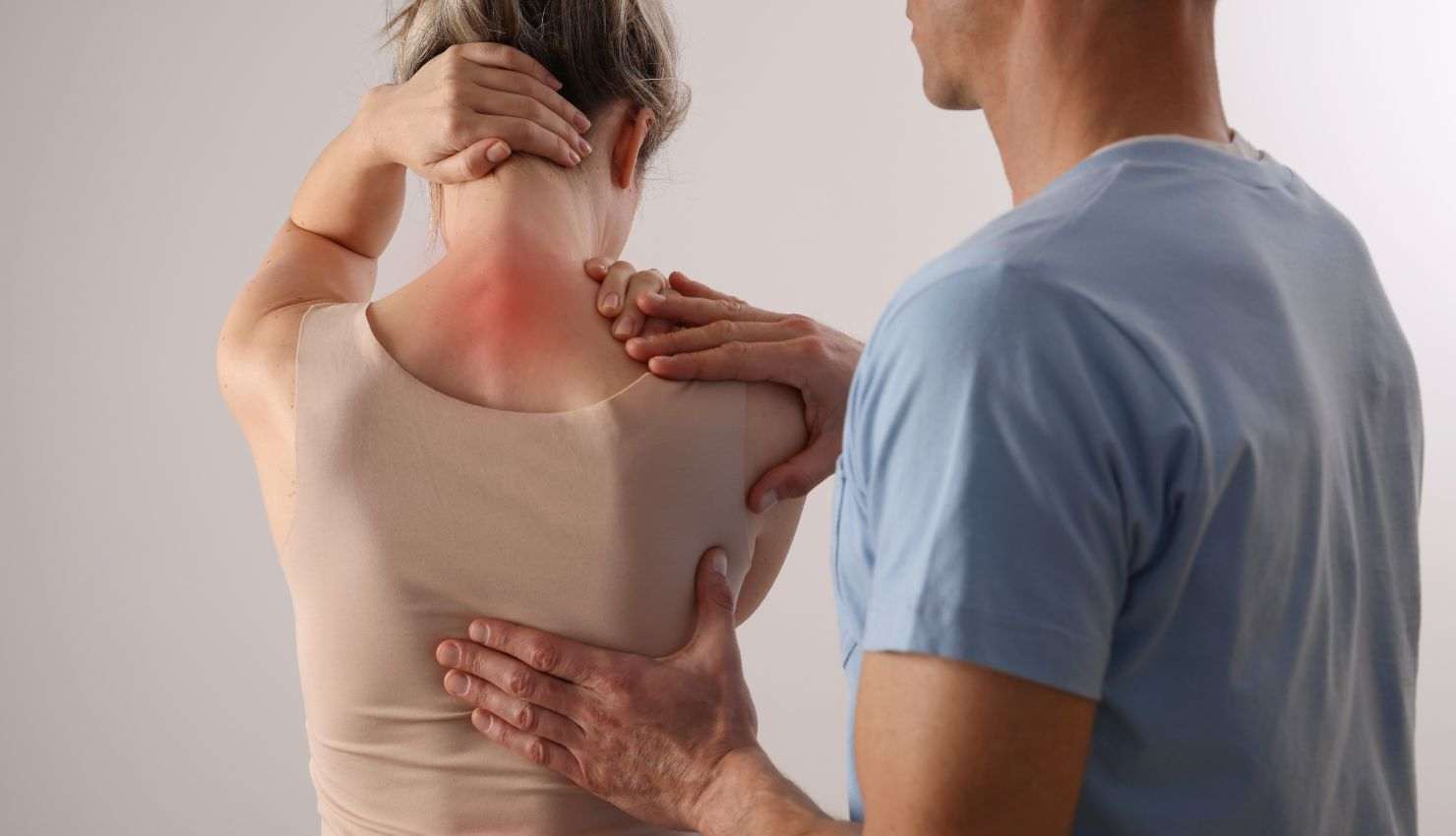
When it comes to spine health, one of the most underestimated factors is the strength of your core muscles. The core isnt just about achieving a toned look; it plays a fundamental role in supporting your spine, maintaining posture, and facilitating pain-free movement. At YourFormsUX in Canada, we frequently see how a weak core can be the root cause of many spinal problems. So, understanding how core weakness affects your spine is the first step toward lasting relief and stronger overall health.
What Exactly Is the Core?
Your core is more than just the abdominal muscles you see on the surface. It includes a complex group of muscles that wrap around your midsection, including the deep transverse abdominis, multifidus, pelvic floor muscles, diaphragm, and muscles of the lower back and hips. Together, these muscles act like a natural corset that stabilizes your spine during movement and while at rest.
The Link Between Core Weakness and Spine Problems
When the core muscles are weak or poorly coordinated, they cant adequately support the spine. This lack of support causes the spine to absorb excess stress during daily activities. Over time, this can lead to:
Poor Posture: Without core support, the spine tends to slump or sway, causing alignment issues.
Lower Back Pain: One of the most common complaints linked to weak core muscles.
Increased Risk of Injury: The spine becomes vulnerable to strains, sprains, and disc injuries.
Reduced Mobility: Pain and instability may limit your range of motion and overall function.
How Does Core Weakness Affect Spinal Mechanics?
The core muscles work to maintain the natural curves of your spinecervical, thoracic, and lumbar. A weak core can disrupt these curves, leading to:
Excessive Lumbar Lordosis: An exaggerated inward curve of the lower back, which places stress on vertebrae and discs.
Kyphosis: A hunched upper back often related to poor posture and weak upper core muscles.
Pelvic Tilt: Misalignment of the pelvis affects spinal positioning and can cause discomfort in the lower back.
Signs You May Have a Weak Core Impacting Your Spine
Recognizing the symptoms early can help you avoid chronic spine issues. Watch for:
Chronic lower back or neck pain
Difficulty maintaining proper posture for long periods
Fatigue or discomfort when sitting or standing
Frequent muscle spasms in the back or abdomen
Balance problems or frequent falls
How YourFormsUX Can Help Strengthen Your Core for a Healthy Spine
Our physiotherapy programs are designed to address core weakness directly and improve spine stability. Heres what you can expect:
Comprehensive Assessment: We evaluate your core strength, spinal alignment, and movement patterns.
Customized Exercise Plan: Exercises targeting deep core muscles to rebuild strength and endurance.
Functional Training: Teaching you how to engage your core during daily activities to protect your spine.
Progress Monitoring: Regular check-ins to adapt your program as you improve.
Effective Core Exercises for Spine Support
To build a strong core that protects your spine, exercises should focus on stability, control, and endurance. Some of the most effective include:
Planks: Builds overall core strength by engaging multiple muscle groups.
Dead Bug: Encourages controlled core activation without stressing the spine.
Bird Dog: Enhances lower back stability and coordination.
Pelvic Tilts: Helps improve lumbar mobility and core engagement.
Glute Bridges: Strengthens hips and lower back muscles critical for spinal support.
Lifestyle Tips to Support Core and Spine Health
Beyond therapy, these habits can make a huge difference:
Maintain an active lifestyle with regular low-impact exercise.
Practice good posture when sitting, standing, and sleeping.
Avoid heavy lifting without proper technique.
Incorporate core engagement in all movements, even simple tasks.
Stay hydrated and maintain a healthy weight to reduce spinal stress.
Why Is Core Strength So Important for Everyone?
Whether youre young or old, active or sedentary, core strength is essential. It helps you move efficiently, prevents injury, and supports spinal health through the natural wear and tear of daily life. For seniors, it reduces fall risk and supports balance. For athletes, it enhances performance and protects against injury. For office workers, it counters the effects of prolonged sitting and poor posture.
Trust YourFormsUX to Guide You Toward a Stronger Core and Healthier Spine
At YourFormsUX in Canada, we combine expert physiotherapy techniques with personalized core rehabilitation programs tailored to your unique needs. Our goal is to empower you with the tools and knowledge to maintain spine health for life.