Understanding the Impact of Dance on the Spine and How Physiotherapy Can Help explores targeted strategies for recovery. Discover new paths to mobility, healing, and personalized care.

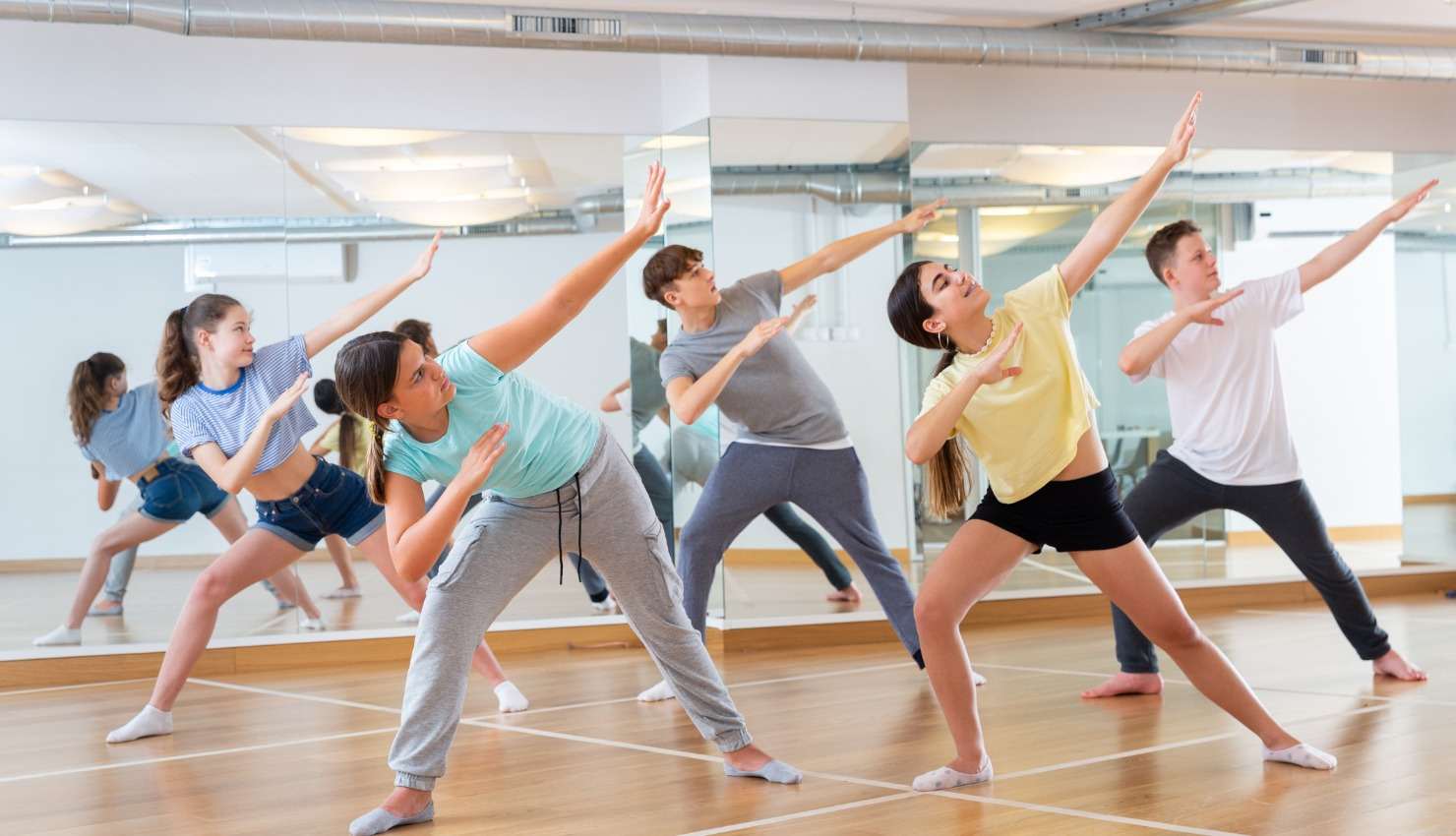
The spine is the central pillar of the body, responsible for posture, movement, and coordination. In dance, the spine does far more than just supportit bends, twists, contracts, arches, and undulates in ways that demand extraordinary strength and flexibility.
But this freedom of movement comes at a cost: the spine is one of the most vulnerable areas for dancers. Repetitive strain, overextension, and poor technique can lead to pain, imbalance, and long-term injury. Thats where physiotherapy plays a crucial role in both prevention and recovery.
?? How Dance Affects the Spine
Danceespecially ballet, contemporary, jazz, and acrorequires the spine to move in complex, non-linear ways. Common movements include:
Hyperextension in arabesques and backbends
Flexion in contractions and floor work
Rotation in pirouettes and spirals
Axial loading during jumps and landings
Asymmetrical movements in modern choreography
?? Over time, these can lead to:
Muscle imbalances (e.g., tight hip flexors, weak core)
Poor spinal alignment and posture
Joint compression, disc stress, and nerve irritation
Injuries like spondylolysis, herniated discs, and facet joint pain
?? How Physiotherapy Helps Support Spinal Health in Dancers
?? 1. Spinal Alignment and Movement Assessment
Physiotherapists start by analyzing:
Posture in stillness and motion
Spinal curvature (e.g., hyperlordosis, scoliosis)
Muscle strength and activation patterns
Range of motion in the cervical, thoracic, and lumbar spine
?? Why it helps: Early identification of dysfunctions helps prevent chronic spinal stress and pain.
?? 2. Core Strengthening for Spinal Support
A strong core is the foundation of a healthy spine. Physiotherapists focus on deep stabilizing muscles:
? Key muscles:
Transversus abdominis (deep abdominal wall)
Multifidus (small spinal stabilizers)
Pelvic floor and diaphragm (part of the core system)
?? Why it helps: Core stability protects the spine during movement and reduces the risk of overextension or collapse.
????? 3. Mobility and Flexibility Training
Dancers often have tight hips, upper backs, or hamstrings that can overload the spine.
Physiotherapists use:
Thoracic spine mobilization
Hamstring and hip flexor stretching
Nerve glides for sciatic or femoral nerve issues
Dynamic mobility exercises to prep the spine before class
?? Why it helps: Ensures the spine moves smoothly without compensation from surrounding structures.
?? 4. Manual Therapy and Soft Tissue Work
Hands-on treatments target tight or overstressed muscles around the spine and pelvis.
? Techniques:
Myofascial release of the back, psoas, and glutes
Trigger point therapy in paraspinal muscles
Joint mobilization for stiff vertebrae
?? Why it helps: Restores normal motion, reduces pain, and promotes healing in overused tissues.
?? 5. Postural Re-Education and Dance-Specific Technique Correction
Dancers may unknowingly move with faulty spinal mechanicslike overarching the lower back or collapsing in the ribs.
Physiotherapists provide:
Biofeedback and mirror training
Functional cues for pelvic neutrality
Dance-specific retraining (e.g., safer arabesque lines, safer contractions)
?? Why it helps: Builds movement patterns that support the spine, not strain it.
?? Common Spinal Issues in Dancers (and How Physiotherapy Treats Them)
Condition Physiotherapy Support
Low Back Pain (Non-specific) Core strengthening, mobility, posture retraining
Spondylolysis / Spondylolisthesis Load management, neutral spine training, brace support if needed
Facet Joint Irritation Joint mobilization, flexion bias training, taping
Herniated Disc Pain management, neural mobility work, progressive core activation
Thoracic Rigidity Mobilization techniques, rotation drills, breathing exercises
? Daily Spinal Care Tips for Dancers
? Warm up the spine dynamically (cat-cow, spinal rolls)
? Engage core muscles in every lift and jump
? Avoid hanging in lumbar extension or rib flare
? Cross-train with Pilates or yoga
? Use rest days to restore balance
? Seek physiotherapy at first signs of back pain