Understanding the Menstrual Cycle and Its Impact on Your Body explores targeted strategies for recovery. Discover new paths to mobility, healing, and personalized care.

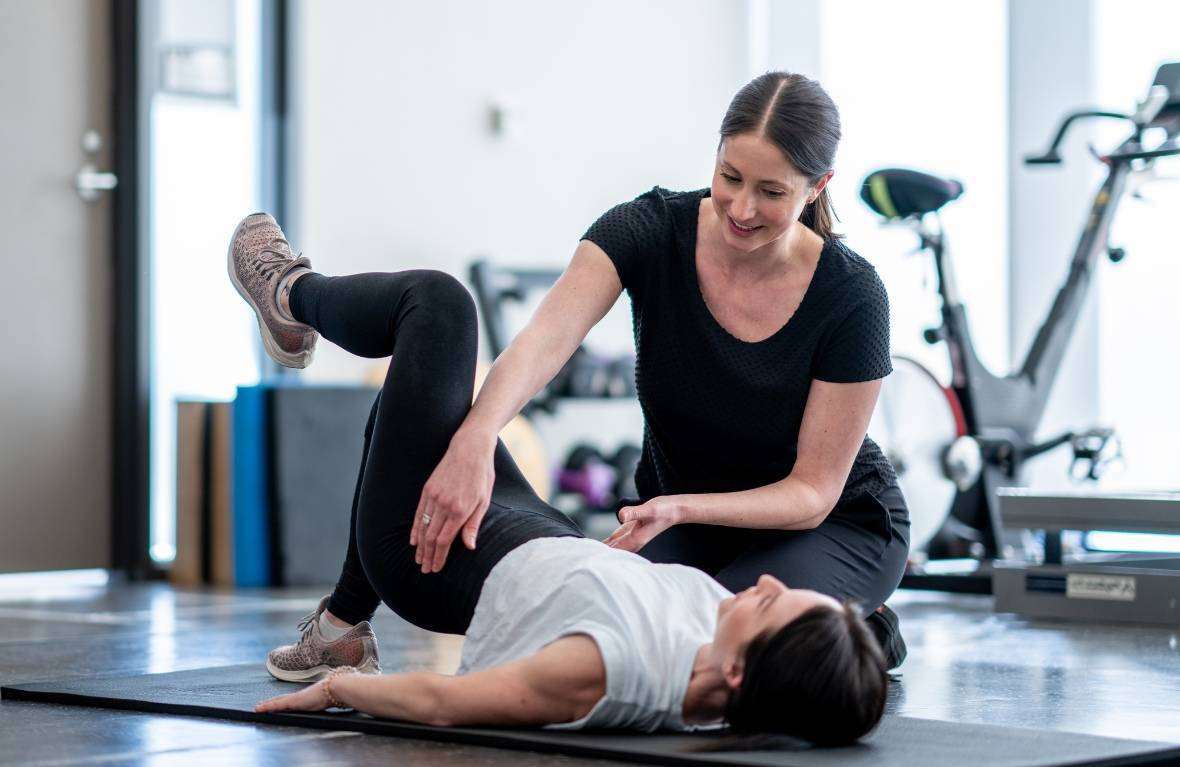
The menstrual cycle is one of the most fundamental aspects of womens health, yet many dont fully understand how deeply it influences their bodies. Beyond the obvious, the cycle affects everything from energy levels and mood to physical performance and injury risk. By understanding your menstrual cycle, you can make smarter decisions about exercise, nutrition, and self-careand physiotherapy can be a key part of that journey.
Lets break down the menstrual cycle and explore how it impacts your body day-to-day.
The Four Phases of the Menstrual Cycle
The menstrual cycle is typically divided into four main phases, each marked by specific hormonal changes and physical effects:
Menstrual Phase (Days 1-5):
The cycle begins with menstruationthe shedding of the uterine lining. Hormones like estrogen and progesterone are at their lowest. You may experience cramps, fatigue, and mood changes.
Follicular Phase (Days 6-14):
Estrogen levels start to rise, stimulating the growth of follicles in the ovaries. Energy levels and mood often improve, and your body prepares for ovulation.
Ovulation (Around Day 14):
A surge of luteinizing hormone (LH) triggers the release of an egg. This phase often brings peak strength, endurance, and pain tolerance.
Luteal Phase (Days 15-28):
Progesterone increases to prepare the uterus for potential pregnancy. This phase can cause symptoms like bloating, breast tenderness, mood swings, and fatigue.
How the Menstrual Cycle Affects Your Body
Each phase of the cycle influences your body in unique ways:
Energy and Performance: Estrogen boosts energy and recovery during the follicular phase and ovulation, making it ideal for intense workouts. The luteal phase may bring fatigue and slower recovery, signaling a need for lighter exercise.
Pain and Injury Risk: Joint laxity can increase around ovulation due to hormonal effects on connective tissue, which may raise injury risk. Awareness can guide safer training.
Mood and Cognition: Hormonal shifts affect neurotransmitters, influencing mood, focus, and emotional regulation. This is why many experience mood swings or anxiety during the luteal phase.
Digestion and Metabolism: Progesterone slows digestion in the luteal phase, sometimes causing bloating and appetite changes.
The Role of Physiotherapy in Supporting Your Cycle
Physiotherapy can help you better understand and manage the physical effects of your menstrual cycle through:
Pain Relief: Techniques like manual therapy and targeted exercises can ease cramps, back pain, and pelvic discomfort.
Movement Optimization: Physiotherapists assess how your body moves through each phase and recommend modifications to exercise and daily activities.
Pelvic Floor Health: Pelvic floor function changes with hormonal fluctuations; physiotherapy strengthens and balances these muscles to prevent discomfort and dysfunction.
Injury Prevention: Tailored programs can reduce injury risk by accounting for hormonal effects on joints and muscles.
Practical Tips for Cycle Awareness
Track your cycle and symptoms to identify patterns.
Adjust your exercise intensity and type according to your energy levels.
Prioritize rest and recovery during low-energy phases.
Use physiotherapy guidance to address pain or functional issues promptly.
Final Thoughts
Your menstrual cycle is a powerful indicator of health and a guide to how your body functions. Embracing cycle awareness, supported by physiotherapy, empowers you to live in harmony with your bodys rhythms.
With this understanding, you can optimize your fitness, reduce pain, and enhance your overall well-being throughout every phase of your cycle.