Understanding the Power of Movement Therapy in Pain Relief 1. Modulates Pain Signals Movem…

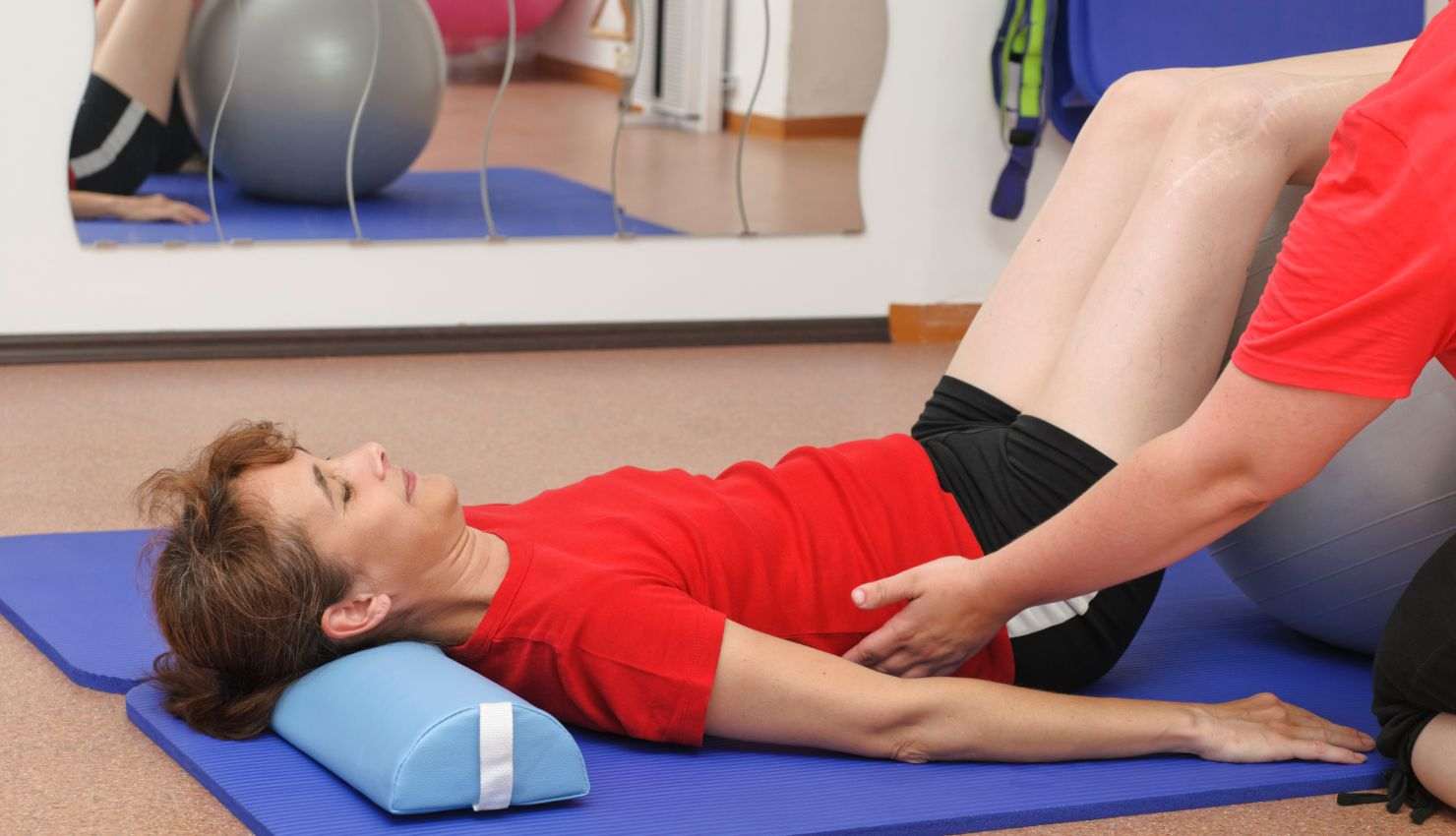
Understanding the Power of Movement Therapy in Pain Relief
1. Modulates Pain Signals
Movement stimulates the nervous system to activate pain-inhibiting pathways (based on the gate control theory), reducing the brains perception of pain.
Gentle movement helps retrain the brain to interpret signals differently, especially in chronic pain conditions.
2. Reduces Inflammation and Swelling
Movement increases blood flow and lymphatic drainage, which helps clear inflammatory chemicals from injured tissues.
This leads to decreased swelling and less pain.
3. Prevents Stiffness and Muscle Guarding
Pain often causes muscles to tense up and joints to stiffen, creating a cycle of worsening pain and immobility.
Movement therapy breaks this cycle by gently mobilizing tissues and relaxing muscles.
4. Strengthens Supportive Structures
Weak muscles can contribute to joint instability and pain.
Movement therapy strengthens these muscles, improving joint support and reducing strain.
5. Promotes Endorphin Release and Psychological Benefits
Physical movement triggers the release of endorphins and other mood-enhancing chemicals, which naturally reduce pain perception.
Movement therapy can also reduce anxiety and depression that often accompany chronic pain.
6. Improves Functional Ability
Beyond pain relief, movement therapy restores functional movement patterns, making everyday activities easier and less painful.
????? Types of Movement Therapy Used for Pain Relief
Range of Motion Exercises: Maintain joint flexibility
Strengthening Exercises: Build muscle support
Stretching: Release tight muscles
Neuromuscular Re-education: Correct movement patterns
Low-impact Aerobic Activity: Boost circulation and endurance
??? General Movement Therapy Guidelines for Pain Relief
Move within a comfortable range without sharp pain
Progress intensity gradually
Focus on consistent, daily movement rather than intense sessions
Combine with breathing and relaxation techniques for best effect