Understanding the Role of Physiotherapy in Flexibility Training for Dancers explores targeted strategies for recovery. Discover new paths to mobility, healing, and personalized care.

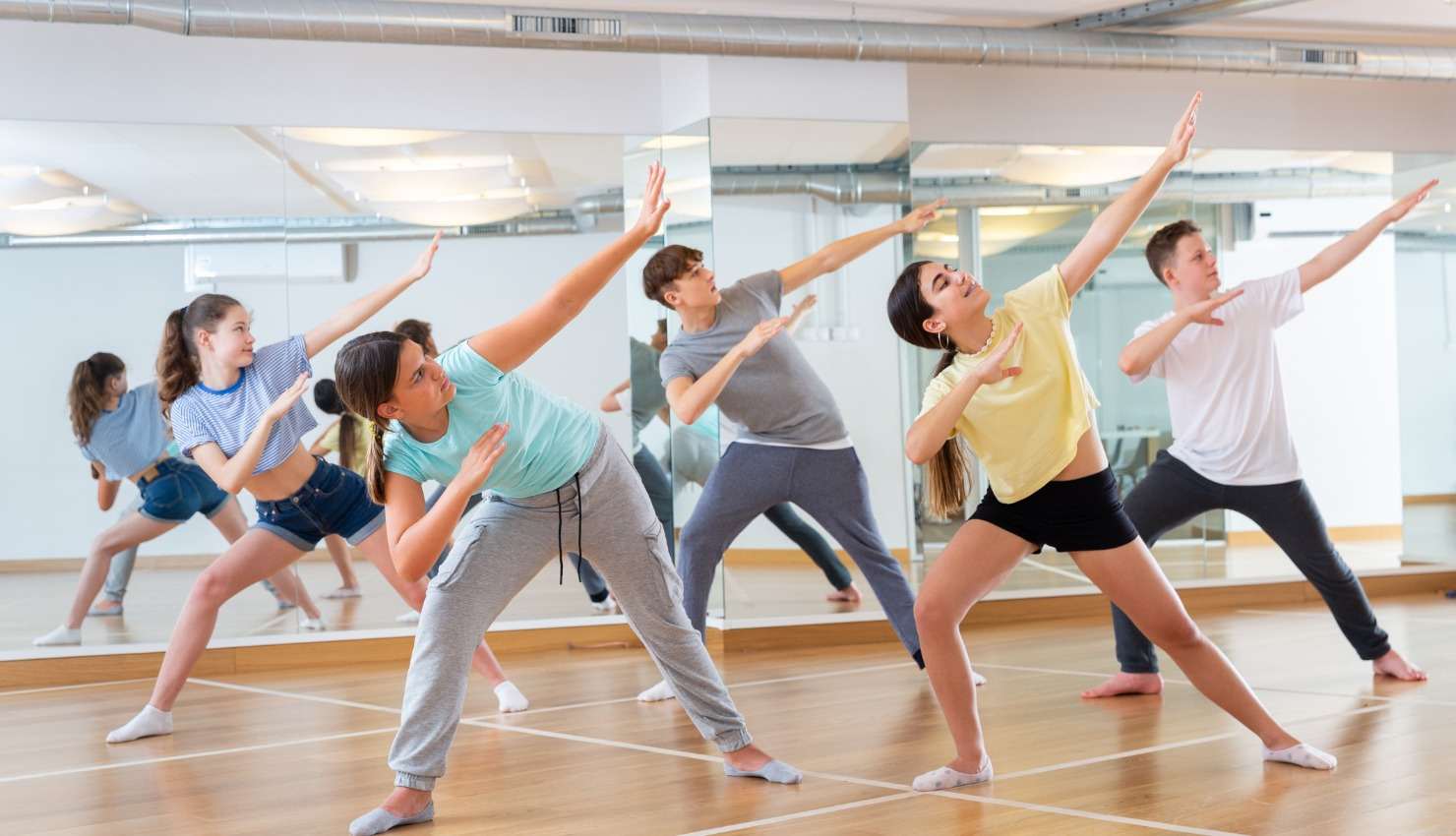
Flexibility is a cornerstone of dance, enabling graceful, fluid movements and the ability to perform challenging positions. Maintaining and improving flexibility safely requires a thoughtful approach, as excessive or improper stretching can lead to injuries. Physiotherapy plays a crucial role in helping dancers enhance flexibility while protecting muscles, tendons, and joints. This blog dives into how physiotherapy supports flexibility training for dancers, promoting healthy range of motion and optimal performance.
Why Flexibility Is Vital for Dancers
Dancers need flexibility to execute high kicks, deep lunges, backbends, and complex poses. Good flexibility enhances movement quality, reduces muscle tension, and improves posture. However, flexibility without strength and control can increase injury risk. Therefore, flexibility training should be balanced with muscle conditioning.
How Physiotherapy Supports Safe Flexibility Training
Physiotherapists understand the delicate balance required in flexibility development and employ evidence-based techniques to help dancers safely increase their range of motion:
1. Individualized Flexibility Assessment
Physiotherapists begin by assessing each dancers current flexibility, joint mobility, and muscle length. This evaluation identifies tight or restricted areas and reveals any imbalances or limitations that could impact flexibility training.
2. Targeted Stretching Techniques
Physiotherapy uses various stretching methods tailored to the dancers needs, including:
Static Stretching: Holding stretches for a sustained period to gradually lengthen muscles.
Dynamic Stretching: Controlled, rhythmic movements that increase muscle temperature and prepare for activity.
Proprioceptive Neuromuscular Facilitation (PNF): Combining muscle contraction and relaxation to enhance flexibility.
Myofascial Release: Hands-on techniques that loosen tight fascia and connective tissue around muscles.
These approaches help improve flexibility without overstretching or causing muscle strain.
3. Integration of Strength and Stability
Physiotherapists emphasize strengthening muscles around flexible joints to maintain stability. This prevents hypermobility-related injuries, which can occur when joints move beyond their safe range without adequate muscle support.
4. Correcting Movement Patterns
Improper technique during stretching or dance can strain muscles and ligaments. Physiotherapy addresses faulty movement habits through neuromuscular re-education, ensuring flexibility gains translate into functional, safe dance movements.
5. Progressive Flexibility Training
Physiotherapists guide dancers through gradual progression in flexibility exercises. This helps avoid sudden overstretching and allows tissues to adapt, minimizing the risk of injury.
The Role of Physiotherapy in Injury Prevention Related to Flexibility
Flexibility imbalanceswhere some muscles are too tight while others are overly loosecan cause joint instability and increase injury risk. Physiotherapy helps identify and address these imbalances through combined stretching and strengthening programs. By maintaining optimal muscle length and joint alignment, dancers reduce the likelihood of strains, ligament injuries, and chronic pain.
Benefits of Combining Physiotherapy with Flexibility Training
Enhanced Performance: Improved flexibility allows for a wider movement repertoire and more expressive dance.
Reduced Muscle Tension: Targeted therapy reduces tightness that can impede smooth movement.
Improved Recovery: Physiotherapy aids in muscle relaxation and tissue repair after intense training.
Long-Term Joint Health: Balanced flexibility and strength support joint integrity over time.
When to Seek Physiotherapy for Flexibility Concerns
Dancers experiencing persistent tightness, discomfort during stretching, or joint instability should consult a physiotherapist. Early intervention can prevent injury and optimize flexibility training outcomes.
Conclusion
Flexibility is essential for dancers but must be developed safely to avoid injury. Physiotherapy offers expert assessment, personalized stretching techniques, strength integration, and movement correction to support effective flexibility training. By working with a physiotherapist, dancers can enhance their range of motion while protecting their muscles and joints, ultimately improving performance and longevity in dance.
If you want to advance your flexibility safely and efficiently, consider partnering with a physiotherapist experienced in dance rehabilitation and training. This professional guidance can make a significant difference in your dance journey.