The pelvic floor is often overlooked in womens health conversations, yet it plays a central role in everything from bladder control to sexual function and core stability. Understanding the importance of pelvic floor health is essential for every woman, regardless of age or life stage.

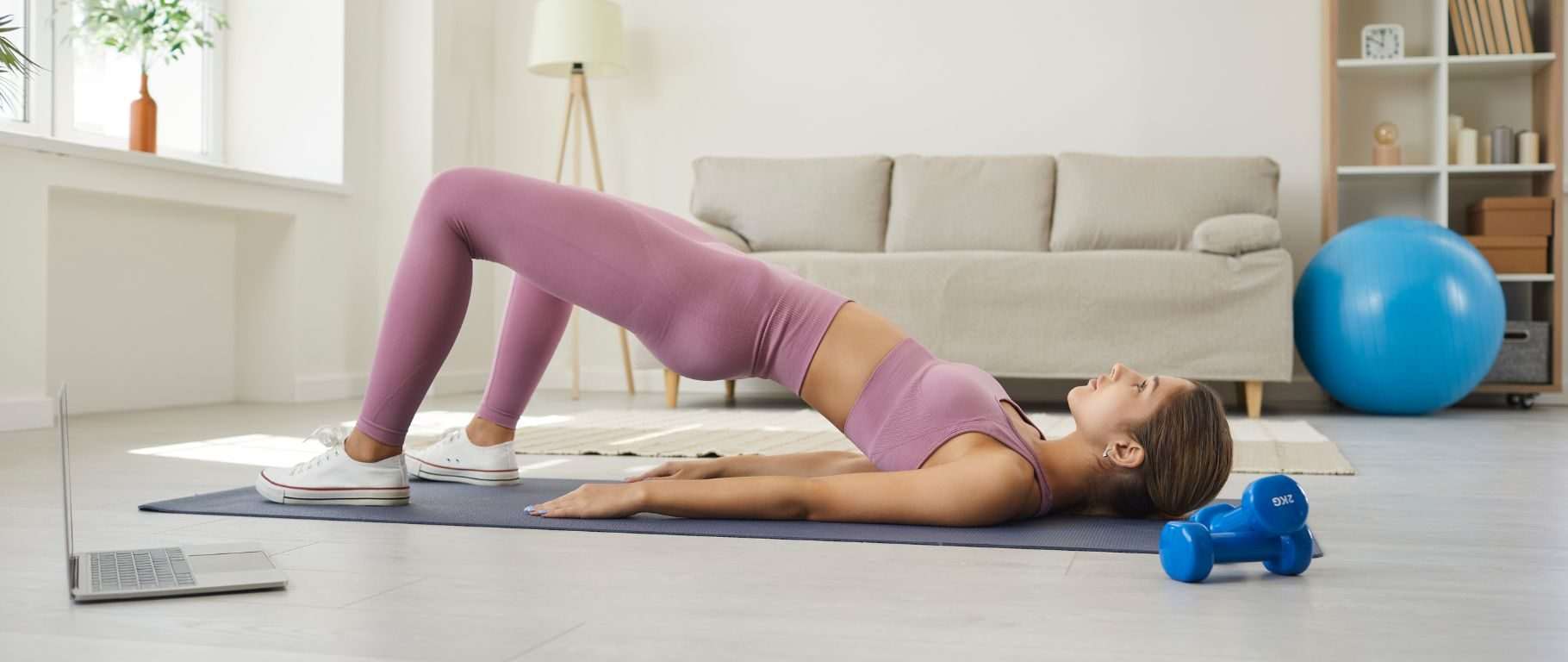
The pelvic floor is often overlooked in womens health conversations, yet it plays a central role in everything from bladder control to sexual function and core stability. Understanding the importance of pelvic floor health is essential for every woman, regardless of age or life stage. Physiotherapy can be a key ally in supporting and restoring pelvic function, especially when integrated into proactive wellness and recovery plans.
What is the Pelvic Floor?
The pelvic floor is a group of muscles, ligaments, and connective tissue that form a hammock-like structure at the base of the pelvis. These muscles support the bladder, uterus, and rectum. When functioning correctly, they help maintain continence, facilitate childbirth, and provide core support during movement and activity.
A strong and well-functioning pelvic floor contributes to:
Bladder and bowel control
Pelvic organ support
Stable posture and spinal alignment
Comfortable sexual function
Smooth pregnancy and postpartum recovery
How Pelvic Floor Dysfunction Affects Female Health
Pelvic floor dysfunction can manifest in a variety of ways, including urinary incontinence, pelvic organ prolapse, painful intercourse, and chronic pelvic pain. These issues often arise due to pregnancy, childbirth, hormonal changes during menopause, obesity, or high-impact exercise.
Symptoms of pelvic floor dysfunction include:
Leakage during coughing, sneezing, or exercising
A feeling of heaviness or pressure in the pelvic area
Pain in the lower abdomen or during intercourse
Difficulty emptying the bladder or bowel
These symptoms can significantly impact a womans physical, emotional, and mental well-being if left unaddressed.
The Role of Physiotherapy in Pelvic Floor Health
Pelvic floor physiotherapy is a specialized form of physical therapy aimed at assessing and treating dysfunction in the pelvic region. A trained physiotherapist uses a combination of internal and external techniques to strengthen, relax, and retrain the pelvic floor muscles.
Some of the physiotherapy techniques include:
Pelvic floor exercises (such as Kegels)
Biofeedback therapy for muscle awareness
Breathing and core coordination training
Manual therapy to release tight pelvic muscles
Education on posture, movement, and bladder habits
Women of all ages benefit from pelvic floor physiotherapywhether as preventive care, during pregnancy, postnatally, or in managing age-related changes.
Pelvic Floor Health Through the Lifespan
Young Adulthood: Building awareness of core and pelvic floor function is crucial for preventing future problems. Early intervention can correct postural habits and reduce risks related to high-impact sports or sedentary lifestyles.
Pregnancy and Postpartum: As the body undergoes structural and hormonal shifts, the pelvic floor bears additional strain. Physiotherapy during and after childbirth can promote healing, prevent prolapse, and restore continence.
Menopause and Aging: Estrogen decline can weaken pelvic tissues, increasing the risk of incontinence and prolapse. A proactive approach through pelvic floor strengthening can preserve quality of life.
Empowering Women Through Education and Care
Many women delay seeking help due to embarrassment or misinformation. A key part of pelvic health awareness is breaking the stigma and encouraging open conversations. Physiotherapists not only treat dysfunction but also educate women on self-care practices to maintain pelvic wellness.
Strategies for self-care include:
Practicing regular pelvic floor exercises
Avoiding excessive straining during bowel movements
Maintaining a healthy weight and active lifestyle
Learning proper breathing techniques
Incorporating good posture and alignment
Conclusion
The pelvic floor is not just a group of musclesit is a foundation of female health. Understanding its function and recognizing signs of dysfunction are essential steps in proactive wellness. Through pelvic floor physiotherapy, women can reclaim confidence, comfort, and control over their bodies at every stage of life.