Using Movement Therapy for Improving Athletic Performance 1. Optimizes Movement Efficiency…

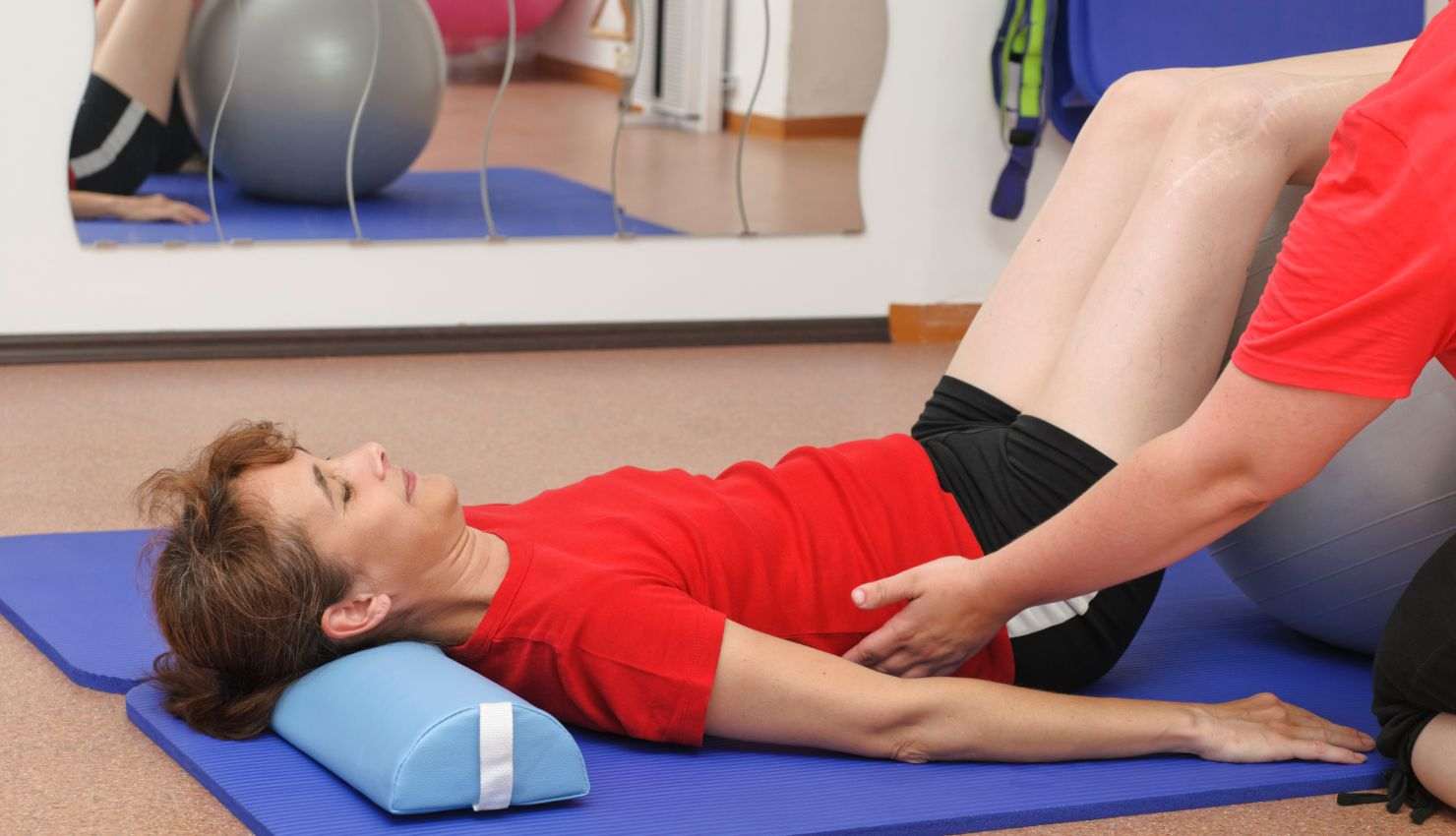
Using Movement Therapy for Improving Athletic Performance
1. Optimizes Movement Efficiency
Athletes often develop compensatory patterns from overuse or muscle imbalances.
Movement therapy retrains proper mechanics, improving efficiency and reducing wasted energy during sport-specific movements.
Examples:
Gait and running mechanics correction
Proper squat and jump technique
Functional movement assessments (e.g., FMS)
2. Enhances Mobility and Flexibility
Restricted joint range (e.g., hips, ankles, thoracic spine) limits athletic potential.
Movement therapy improves dynamic mobility, enabling full range for strength and power.
Key Techniques:
Dynamic stretching (e.g., leg swings, inchworms)
Joint mobilization exercises
Myofascial release combined with active movement
3. Builds Core Stability and Control
A strong, stable core enhances force transfer from the ground up, vital for sprinting, lifting, or throwing.
Movement therapy focuses on real-time control, not just isolated strength.
Examples:
Anti-rotation drills (e.g., Pallof press)
Dynamic balance with core activation (e.g., single-leg Romanian deadlift)
4. Improves Neuromuscular Coordination
Enhances the timing and sequencing of muscle activation for smoother, more explosive movement.
Crucial for agility, speed, and reaction time.
Training Modalities:
Ladder drills with focus on posture
Plyometric movement with landing control
Sport-specific agility and proprioception work
5. Reduces Injury Risk
Poor movement patterns or imbalances lead to overuse injuries (e.g., runners knee, shoulder impingement).
Movement therapy identifies and corrects weak links before they become problems.
Assessment & Correction Focus:
Single-leg stability
Scapular and shoulder control for overhead athletes
Hip-knee-ankle alignment during deceleration
Sample Movement Therapy Routine for Athletes
Exercise Goal Why It Helps
Worlds Greatest Stretch Mobility Opens hips, T-spine, hamstrings
Lateral Band Walks Glute activation, stability Strengthens hip abductors for control
Single-Leg Balance with Reach Proprioception and control Builds joint stability and coordination
Controlled Eccentric Lunges Strength, movement control Teaches deceleration mechanics
Dynamic Core Circuit (Planks, Dead Bugs) Core integration Improves posture and power transfer
Benefits of Movement Therapy for Athletes
Greater joint mobility and muscular control
Improved speed, power, and agility
Faster recovery and fewer injuries
Long-term athletic development and sustainability