Chronic conditions such as fibromyalgia, arthritis, chronic low back pain, and postural sy…

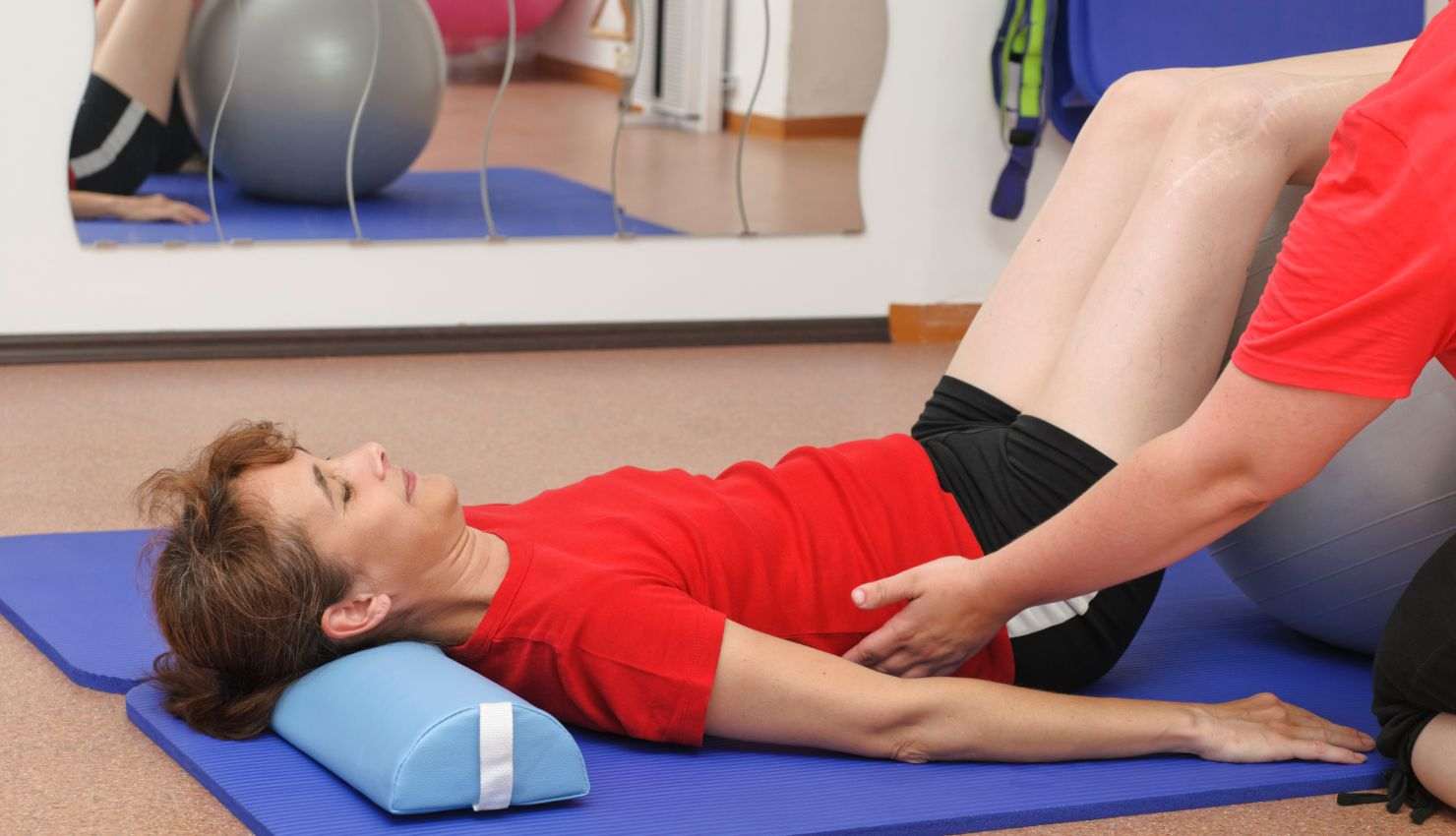
Chronic conditions such as fibromyalgia, arthritis, chronic low back pain, and postural syndromes often lead to long-term discomfort, stiffness, and movement limitations. While medications can help manage symptoms, they often dont address the root cause of pain. Movement therapy offers a holistic, non-invasive approach that helps reduce chronic pain by restoring functional movement, rebalancing the body, and promoting self-awareness and resilience.
? Why Movement Therapy Is Effective for Chronic Pain
Movement therapy addresses the underlying dysfunctions contributing to chronic pain, such as:
Muscle imbalances
Joint stiffness or instability
Poor posture or alignment
Reduced proprioception and coordination
Fear or avoidance of movement
Through guided, therapeutic movement, the body relearns to move efficiently and safelycalming the nervous system and reducing pain signals.
?? Core Benefits of Movement Therapy for Chronic Conditions
1. Reduces Pain Through Neuromuscular Reeducation
Chronic pain can change how the brain processes movement. Movement therapy:
Retrains the brain-body connection (neuroplasticity)
Restores normal movement patterns
Interrupts pain-amplifying habits
?? Result: Reduced pain sensitivity and more confident movement.
2. Improves Circulation and Tissue Health
Gentle movement improves blood flow to muscles and joints, enhancing nutrient delivery and reducing inflammation.
Approaches include:
Gentle full-body mobility routines
Low-impact aerobic movement (e.g., walking, swimming, tai chi)
?? Result: Decreased stiffness and faster tissue healing.
3. Releases Muscle Tension and Corrects Imbalances
Pain often leads to guarded, tense muscles and restricted movement. Movement therapy:
Uses stretching and fascial release
Targets overactive or underused muscles
Improves flexibility and joint range
?? Result: Loosens tight areas, improves posture and function.
4. Builds Core Stability and Joint Support
Chronic pain in the back, hips, or shoulders often stems from instability. Movement therapy includes:
Core and pelvic floor activation
Glute and scapular strengthening
Dynamic balance work
?? Result: More stable joints and less strain on painful areas.
5. Reduces Fear of Movement (Kinesiophobia)
People with chronic pain often avoid movement, which leads to deconditioning and more pain. Movement therapy:
Uses graded exposureslow, safe movement progression
Builds trust in the bodys ability to move again
Teaches pacing and energy management
?? Result: Restores confidence and reduces pain-driven anxiety.
6. Promotes Mind-Body Connection and Relaxation
Chronic pain is closely tied to emotional stress. Movement therapy integrates:
Breathwork and mindfulness-based movement (e.g., Feldenkrais, somatics)
Gentle yoga and tai chi
Grounding techniques for nervous system regulation
?? Result: Calms the stress-pain cycle and promotes self-regulation.
????? Best Movement Therapy Techniques for Chronic Pain
Technique Benefits Ideal For
Feldenkrais Method Awareness-based movement to retrain neuromuscular pathways Fibromyalgia, chronic tension
Somatic Movement Therapy Relieves habitual tension and emotional holding patterns PTSD, chronic back/neck pain
Gentle Yoga or Pilates Enhances mobility, stability, and core strength Arthritis, low back pain
Tai Chi / Qigong Builds flow, balance, and relaxation Joint pain, fatigue, chronic conditions
Low-Load Resistance Training Strengthens muscles and supports painful joints Osteoarthritis, chronic knee/hip pain
?? Sample Routine: Gentle Movement Therapy for Chronic Pain
Exercise Purpose Reps/Sets
Cat-cow stretch Mobilize spine, improve posture 10 slow reps
Supine pelvic tilts Core activation, spinal control 2×10
Seated thoracic rotation Upper back mobility 2×8/side
Glute bridges Glute strength, lumbar support 2×10
Standing heel raises Ankle mobility, circulation 3×15
Diaphragmatic breathing Relaxation, core control 3 minutes
?? Safety Tips for Chronic Pain Movement Therapy
Start slow and avoid forcing movements
Focus on quality, not quantity
Use props (chair, yoga blocks) for support
Practice daily gentle motion, not sporadic intensity
Consult with a physical therapist if needed for modifications
Adjust during pain flaresdont push through sharp pain