Absolutely! Using movement therapy for sports injury recovery is a highly effective, scien…

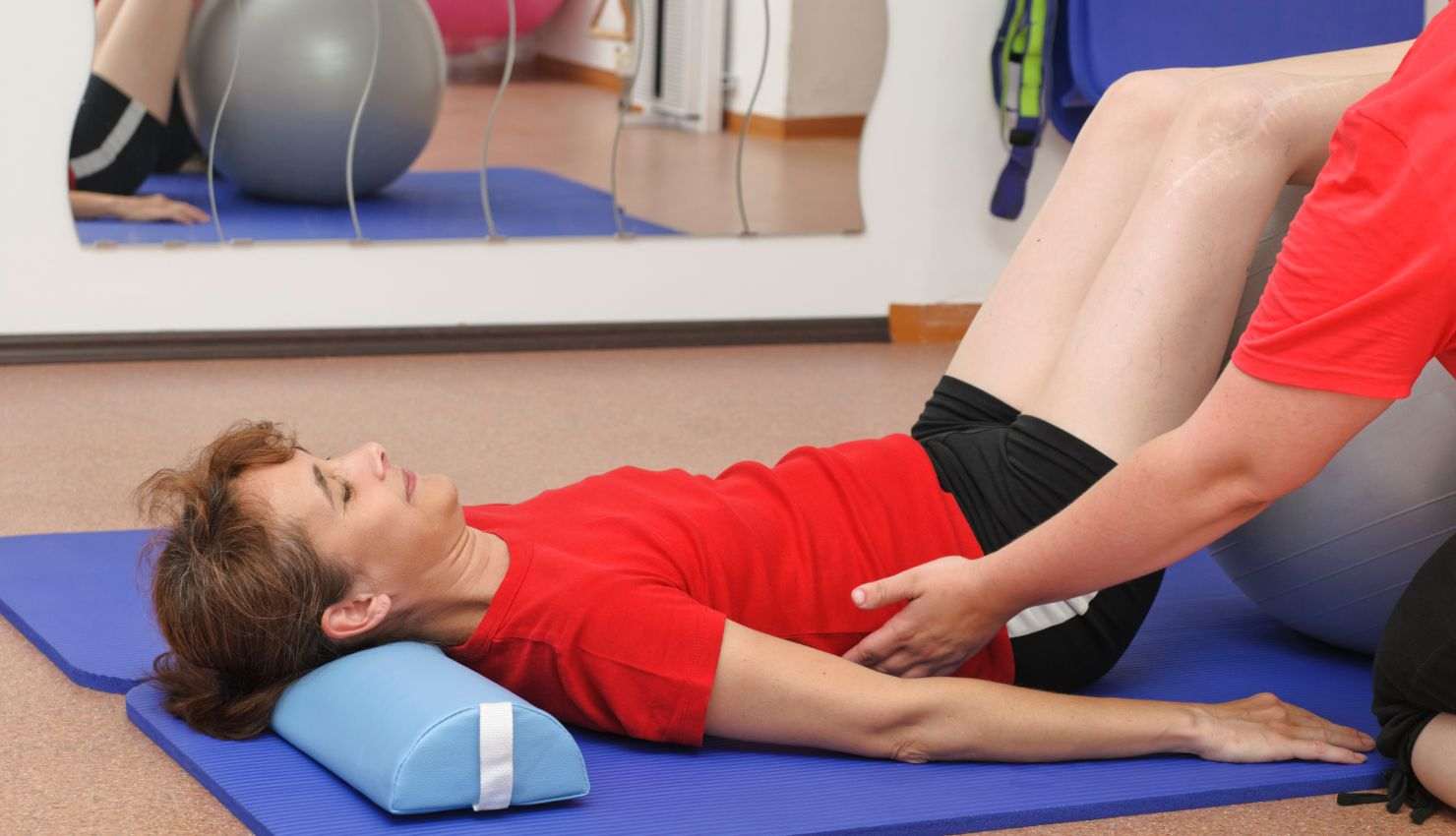
Absolutely! Using movement therapy for sports injury recovery is a highly effective, science-backed approach that focuses on restoring proper function, reducing pain, and preventing re-injury by addressing underlying movement dysfunctions. Heres a detailed breakdown:
The Role of Movement Therapy in Sports Injury Recovery
1. Initial Phase: Protection & Pain Management
Goals: Control inflammation, protect injured tissues, maintain mobility without aggravating injury
Movement Focus: Gentle, pain-free range of motion (ROM) exercises to prevent stiffness and maintain circulation
Examples: Pendulum exercises for shoulder injuries, ankle alphabet for ankle sprains
2. Restoration Phase: Regain Mobility & Muscle Activation
Goals: Restore full joint mobility and begin reactivating muscles weakened by injury or immobilization
Movement Focus: Controlled, progressive active and assisted movements, neuromuscular re-education
Examples: Controlled articular rotations (CARs), isometric contractions, light resisted movements
3. Strengthening Phase: Rebuild Muscle Strength & Endurance
Goals: Correct muscle imbalances and build strength in injured and surrounding muscles to support healing
Movement Focus: Targeted strengthening exercises using body weight, bands, or weights; focus on eccentric loading for tendon injuries
Examples: Eccentric heel drops for Achilles tendinopathy, glute bridges and squats for hip and knee injuries
4. Neuromuscular Re-education & Proprioception
Goals: Restore joint position sense, balance, and coordination to prevent future injury
Movement Focus: Balance training, agility drills, plyometrics with emphasis on control and quality of movement
Examples: Single-leg balance on unstable surfaces, ladder drills, hopping drills with focus on landing mechanics
5. Functional & Sport-Specific Re-integration
Goals: Prepare the athlete to safely return to sport with restored movement patterns and confidence
Movement Focus: Multi-directional, high-velocity movements mimicking sport demands; plyometrics and reactive drills
Examples: Cutting drills, sprinting with changes of direction, sport-specific skill practice