Using Movement Therapy to Address Postural Imbalances Why Postural Imbalances Occur: Prolo…

Using Movement Therapy to Address Postural Imbalances
Why Postural Imbalances Occur:
Prolonged poor habits (e.g., slouching, forward head posture)
Muscle imbalances: some muscles become tight/overactive, others weak/inhibited
Sedentary lifestyle or repetitive activities
Injury or structural issues
How Movement Therapy Helps:
1. Identifies and Targets Muscle Imbalances
Therapists assess which muscles are tight vs. weak.
Movement therapy includes stretching tight muscles and strengthening weak muscles to restore balance.
2. Improves Core and Scapular Stability
A strong core and scapular stabilizers support proper alignment of the spine, shoulders, and pelvis.
Exercises focus on these areas to provide a stable base for good posture.
3. Retrains Movement Patterns
Postural imbalances are often reinforced by habitual faulty movement.
Movement therapy uses neuromuscular re-education to develop new, healthy movement habits.
4. Enhances Body Awareness and Alignment
Patients learn to recognize and correct poor posture during daily activities.
Mindful movement and proprioceptive exercises improve posture retention.
Key Movement Therapy Techniques for Postural Correction
Technique Purpose
Stretching (e.g., chest, hip flexors) Relieve tightness causing forward posture
Strengthening (e.g., rhomboids, glutes, deep neck flexors) Support proper alignment
Core stabilization exercises Build central support
Postural retraining drills Reinforce correct alignment
Ergonomic and functional training Apply posture correction to daily life
Sample Exercises for Postural Balance
Chin tucks (strengthen deep neck flexors)
Thoracic extension over foam roller (counteract slouching)
Scapular squeezes (strengthen upper back)
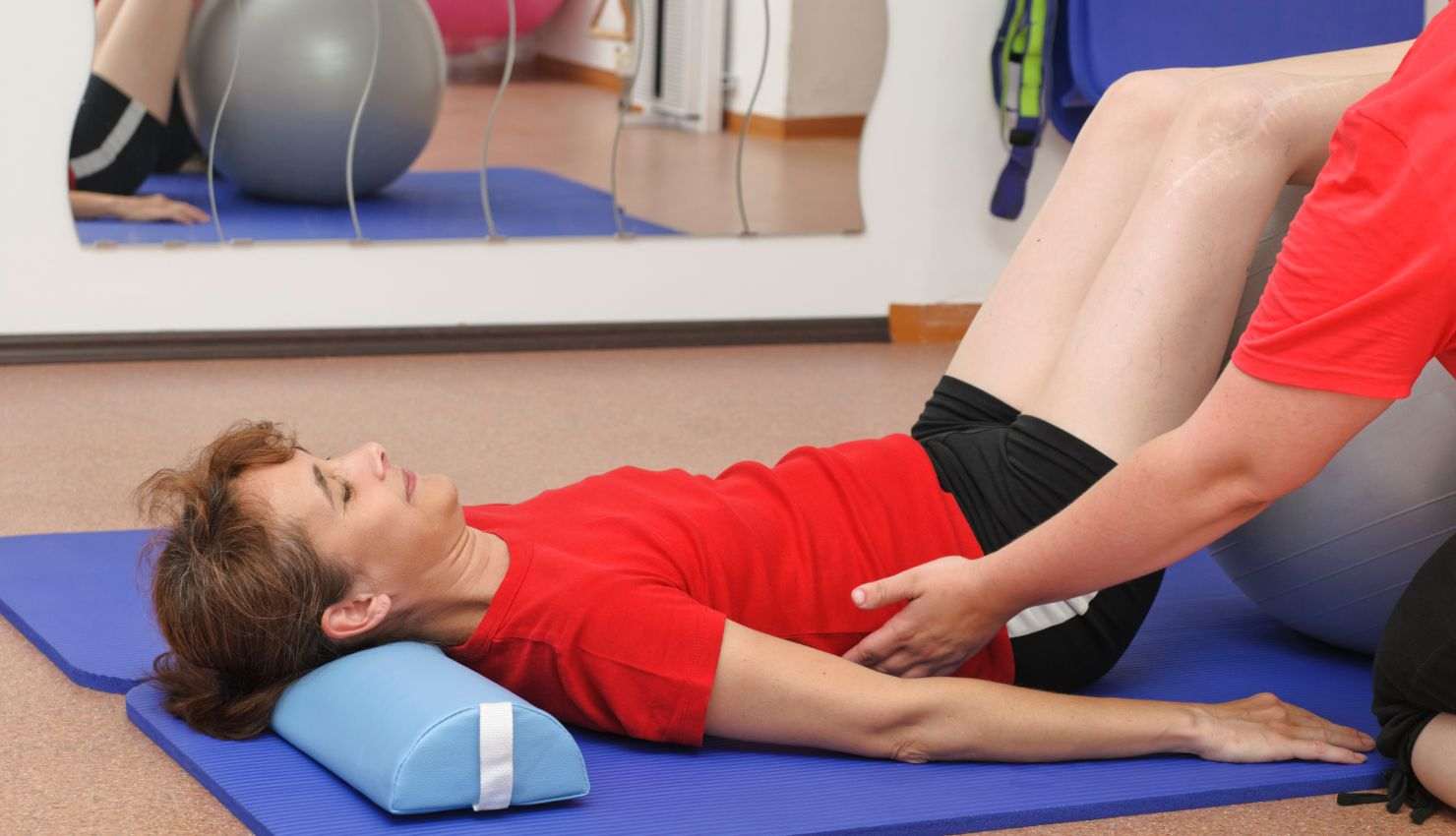
Hip bridges (activate glutes and pelvic alignment)
Cat-cow stretches (mobilize spine)
Important:
Consistency and awareness are key! Movement therapy should be combined with ergonomic adjustments and habit changes for lasting postural improvements.