Movement therapy is a highly effective, non-invasive approach to improving flexibility and…

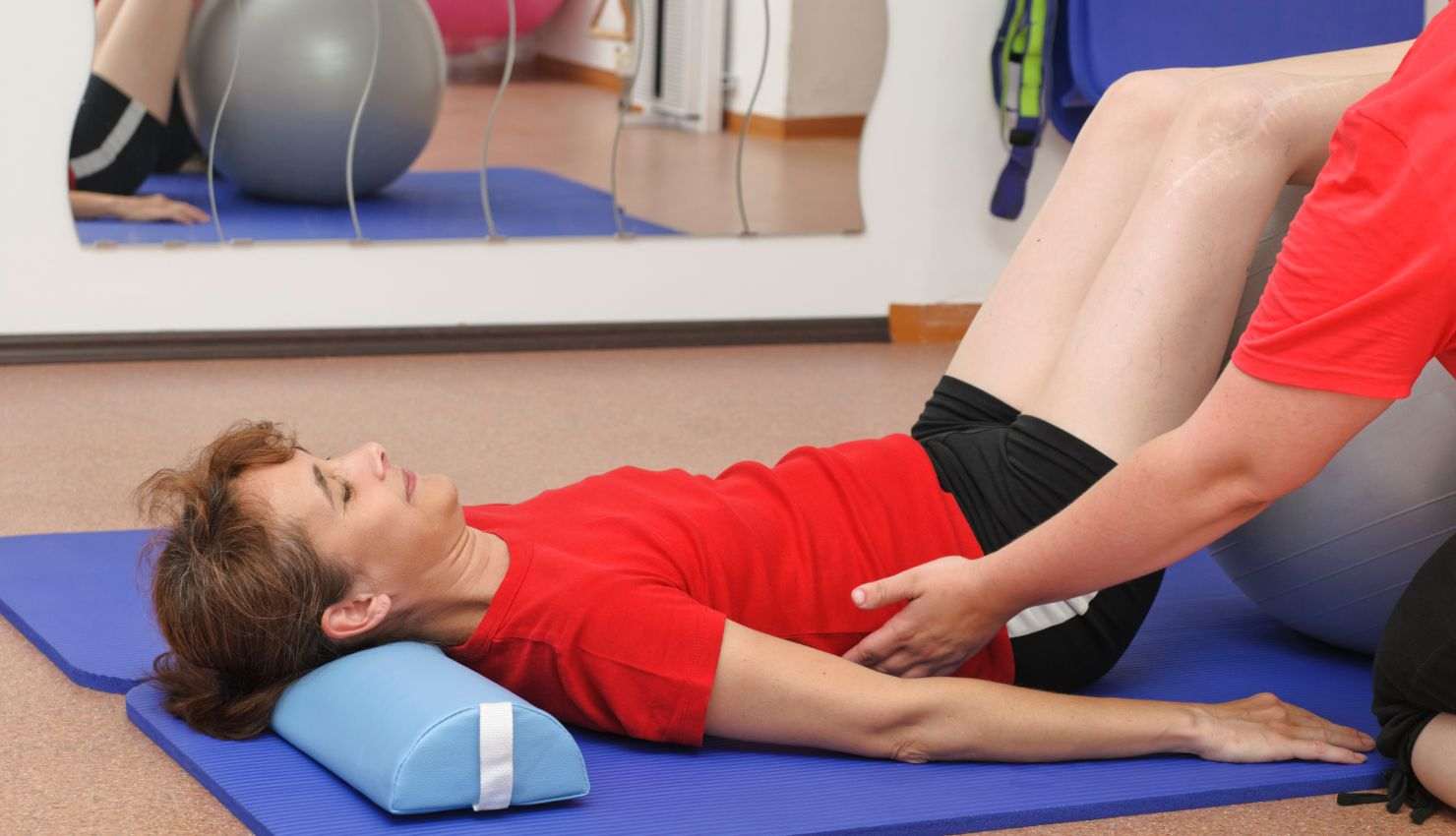
Movement therapy is a highly effective, non-invasive approach to improving flexibility and mobility in the neck and spine, areas that are often affected by poor posture, muscle tension, injury, or prolonged inactivity. By using intentional, controlled movements and body awareness techniques, movement therapy helps restore natural range of motion, reduce stiffness, and enhance neuromuscular function across the spine.
?? Why Flexibility in the Neck and Spine Matters
The spine and neck are central to nearly every movement. Limited mobility in these areas can lead to:
Chronic stiffness or tension
Poor posture and spinal misalignment
Headaches, shoulder pain, or radiating discomfort
Impaired balance and coordination
Increased risk of injury during physical activity
Improving flexibility through movement therapy restores the spines natural curves and fluid motion, supporting better health and daily function.
????? How Movement Therapy Improves Neck and Spine Flexibility
? 1. Targets Fascial Restrictions and Muscle Tension
Gentle, guided movements release tight fascia and improve the pliability of muscles around the cervical, thoracic, and lumbar spine.
? 2. Uses Dynamic Mobility Techniques
Movement therapy favors active mobility over passive stretchingencouraging the body to move through its full range of motion under control.
? 3. Promotes Segmental Spinal Movement
By teaching clients to move the spine one segment at a time, movement therapy enhances joint awareness and restores mobility where movement has been lost.
? 4. Enhances Postural Awareness
Correcting alignment and teaching the body to hold a neutral spine improves long-term flexibility by reducing mechanical strain.
? 5. Incorporates Breath to Support Release
Breathing techniquesespecially with spinal movementpromote relaxation and deeper mobility by reducing sympathetic nervous system tone (stress response).
?? Effective Movement Therapy Techniques for Neck and Spine Flexibility
For the Neck (Cervical Spine):
Chin tucks and cervical nods (improve alignment and mobility)
Gentle head rotations side to side
Ear-to-shoulder lateral neck stretches with arm anchoring
Head glides forward and backward (axial extension)
Eye-tracking exercises (helps release deep neck tension)
For the Spine (Thoracic and Lumbar):
Cat-cow spinal waves (mobilize full spine)
Seated or standing spinal rotations
Pelvic tilts (supine or standing) to mobilize lumbar region
Thread-the-needle stretch (thoracic opening)
Side bends with arm reach (lateral line opening)
?? Sample Movement Therapy Flow (1015 Minutes)
Breath Awareness + Chin Tucks (2 mins)
Cat-Cow Spinal Mobilization (2 mins)
Seated Neck Circles + Head Turns (2 mins)
Thread-the-Needle Thoracic Rotations (2 mins)
Standing Side Bends with Reach + Spinal Rolls (3 mins)
Spinal Decompression (Wall or Supine) (23 mins)
?? Benefits of Improved Neck and Spine Flexibility
Reduced neck and upper back pain
Improved posture and spinal alignment
Enhanced breathing and shoulder function
Better head and eye movement coordination
Increased comfort in daily tasks like driving or working at a desk
Greater ease in physical activities like yoga, walking, or lifting
?? Safety Tips
Move slowly and mindfullyavoid sharp or forced movements
Breathe continuously and match breath to motion
Stop if dizziness or pain occurs
Focus on control, not speed or intensity