In todays sedentary world, the ability to move well is often taken for granteduntil its…

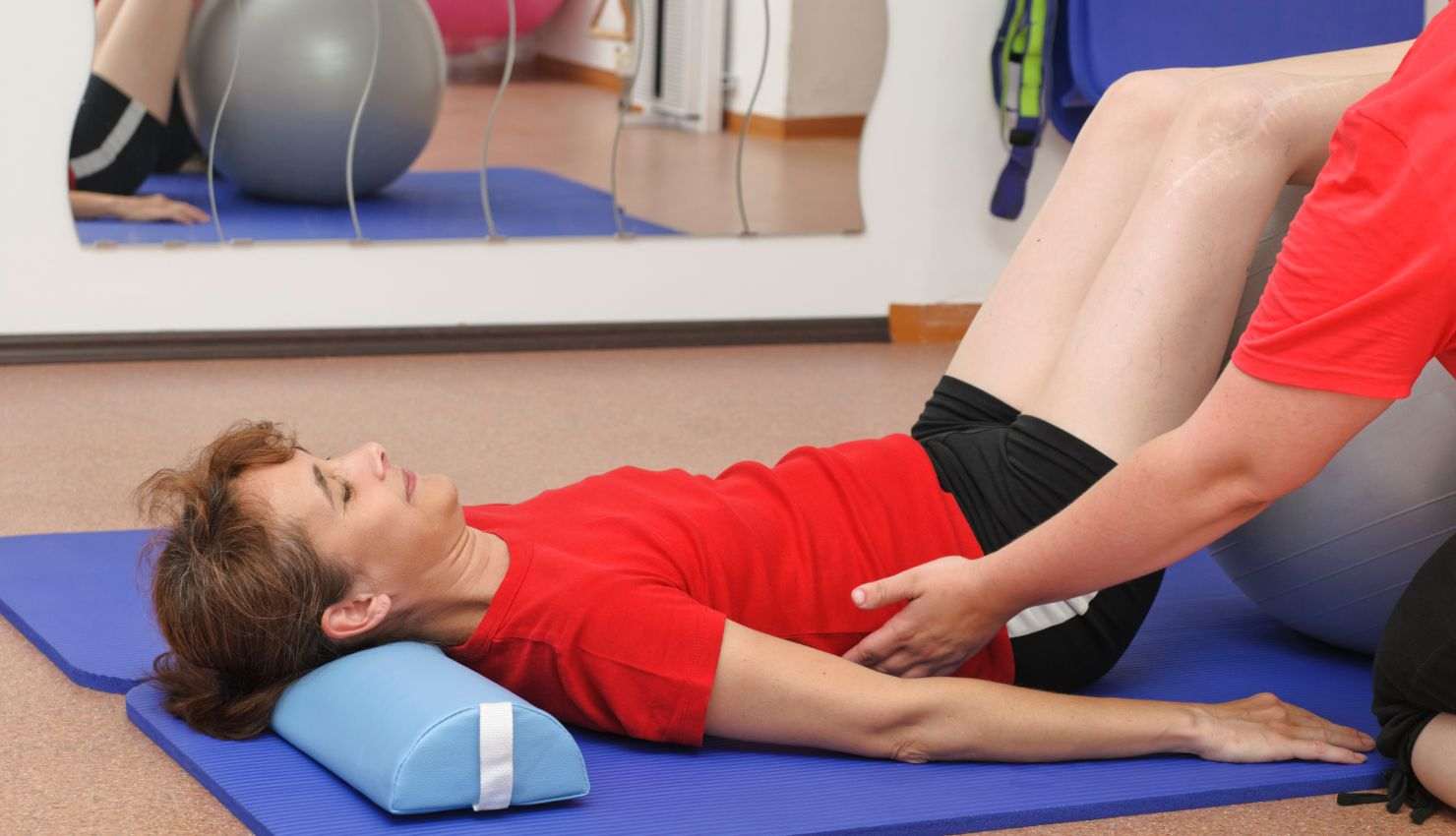
In todays sedentary world, the ability to move well is often taken for granteduntil its gone. Whether due to injury, chronic pain, or postural dysfunction, many Canadians struggle with limited strength and mobility. Movement therapy, a cornerstone of progressive physiotherapy, provides a highly effective and clinically proven approach to reversing this decline.
At Your Form Sux, we utilize movement-based therapy not just for injury recovery, but to help patients build functional strength, improve balance, increase joint range of motion, and regain control over their bodies. This blog outlines how movement therapy directly enhances physical strength and mobilityand why it’s essential to long-term musculoskeletal health.
What Is Movement Therapy?
Movement therapy is an active, patient-centered form of rehabilitation focused on using strategic physical movement to restore, maintain, or enhance physical function. Unlike passive treatments such as massage or electrical stimulation, movement therapy engages muscles, joints, and neural pathways to rebuild functional capacity.
Its rooted in biomechanical principles, neuroplasticity, and evidence-based practice. A skilled physiotherapist assesses your movement patterns, identifies dysfunctions or imbalances, and prescribes a series of therapeutic exercises to address root causesnot just symptoms.
This approach is ideal for individuals recovering from surgery, managing chronic conditions, or simply aiming to move with greater ease and strength.
Why Strength and Mobility DeclineAnd Why It Matters
Many people dont notice how much strength and mobility theyve lost until they experience pain, stiffness, or a movement limitation. Common causes include:
Poor posture and ergonomics
Injury or surgery
Sedentary lifestyle
Chronic joint conditions like arthritis
Neurological conditions
Muscle imbalances or overcompensation
Reduced strength can lead to muscular deconditioning, while limited mobility increases joint stress and risk of injury. The result? A vicious cycle of pain, poor movement, and further decline. Movement therapy breaks that cycle through controlled, progressive rehabilitation.
How Movement Therapy Builds Strength
Strength isnt just about lifting weights. In physiotherapy, strength development is functional and therapeutic. Movement therapy helps develop strength in key ways:
1. Progressive Loading
Through controlled bodyweight exercises or resistance tools like bands and cables, patients gradually increase load on target muscle groups. This stimulates muscle growth and joint stability.
2. Neuromuscular Re-education
After injury or long-term disuse, the nervous system often forgets how to activate certain muscles. Movement therapy retrains these connections, improving motor control and movement efficiency.
3. Core Stabilization
Functional strength depends on a stable core. Movement therapy addresses deep stabilizing muscles in the abdomen, pelvis, and spine, which are often neglected in conventional training.
4. Postural Strength
Many patients suffer from weakness in postural muscles due to hours of sitting. Movement therapy helps restore scapular stability, lumbar endurance, and cervical alignmentall essential for upright strength.
Enhancing Mobility Through Targeted Movement
Mobility is the ability of a joint to move actively through its full range of motion. Unlike flexibility, which is passive, mobility is activeand movement therapy trains this capacity using the following tools:
1. Joint Mobilization Exercises
These are targeted movements designed to improve glide and rotation in stiff joints such as shoulders, hips, or ankles.
2. Dynamic Stretching
Unlike static stretches, dynamic mobility work prepares the body for motion, enhances circulation, and reduces risk of injury during activity.
3. Myofascial Release and Corrective Movement
Using foam rollers or therapist-assisted techniques, tight muscles and fascial restrictions are released, followed by specific movement retraining to reinforce proper joint mechanics.
4. Functional Movement Integration
Once isolated joints have been mobilized, the patient is guided through compound movement patterns such as squats, lunges, or overhead reach drills to ensure that mobility improvements translate into functional activity.
Real-World Results for Patients in Canada
Movement therapy has helped thousands of Canadians improve their functional performancewhether that means returning to sport, preventing falls, or simply being able to walk up stairs without pain. At Your Form Sux, weve seen patients:
Rebuild full mobility post-knee or hip replacement
Eliminate chronic shoulder impingement through scapular retraining
Resolve lower back pain by activating deep core musculature
Regain ankle mobility after repeated sprains or fractures
Prevent surgery through a structured movement-based program
Each therapy plan is tailored to your personal movement capacity and recovery goals, ensuring measurable outcomes over time.
The Process: What to Expect at Your Form Sux
When you visit our Canadian physiotherapy clinic for movement therapy, your journey begins with a comprehensive movement assessment. This includes:
Joint range of motion testing
Muscle strength and endurance testing
Postural and gait analysis
Functional movement screening
Based on the findings, a registered physiotherapist creates a customized exercise progression plan that evolves with your improvement. Sessions are supervised, with real-time feedback to ensure proper form and alignment.
Why Choose Movement Therapy Over Generic Exercise?
Its easy to confuse movement therapy with general fitness or personal training. But heres the difference: movement therapy is clinical, corrective, and targeted. Every movement is selected based on a specific biomechanical or neurological need. Our physiotherapists are trained to identify and correct dysfunctional patterns that the average gym-goer or trainer might overlook.
By restoring the how of movement before adding intensity, we ensure a safer, more sustainable path to better health.
Final Thoughts: Move Well, Live Strong
Strength and mobility are the foundations of physical independence. Without them, quality of life diminishes quickly. Movement therapy offers a science-backed, clinician-led method to restore bothwithout reliance on medication or surgery.
Whether you’re recovering from an injury, managing age-related stiffness, or simply striving to optimize your physical potential, Your Form Sux offers results-driven movement therapy programs tailored to your needs.
Take the first step toward strength and mobility todaybook your personalized assessment at Your Form Sux.