Using Movement Therapy to Prevent Post-Surgery Complications 1. Reduces Risk of Blood Clot…

Using Movement Therapy to Prevent Post-Surgery Complications
1. Reduces Risk of Blood Clots (DVT)
After surgery, immobility can increase the risk of deep vein thrombosis (DVT) a potentially serious condition.
Gentle movement and ankle pumps stimulate circulation in the legs.
Key Movement:
Ankle pumps and circles
Leg slides or heel glides
2. Prevents Pulmonary Complications
Especially after chest, abdominal, or spinal surgery, movement encourages deep breathing and coughing, reducing the risk of pneumonia or atelectasis (lung collapse).
Paired With:
Breathing exercises
Seated trunk rotations and gentle arm movements
3. Minimizes Joint Stiffness and Muscle Atrophy
Immobility can quickly lead to joint stiffness, contractures, and muscle loss.
Early, safe motion helps preserve mobility and strength.
Recommended Movements:
Passive or active-assisted range of motion exercises
Gentle stretching of involved joints
4. Enhances Circulation and Healing
Moving boosts blood flow to the surgical site, bringing oxygen and nutrients essential for tissue repair and reducing inflammation.
5. Restores Functional Independence
Movement therapy incorporates task-specific exercises (like sit-to-stand or walking), which help patients return to daily activities sooner.
Examples:
Bed mobility drills
Gait training with support (walker or cane)
Step-ups or stair practice
6. Supports Mental Health and Confidence
Physical activity post-surgery improves mood, energy levels, and motivation.
Reduces fear of movement (kinesiophobia), which can delay recovery.
Sample Early-Phase Movement Therapy Routine (Post-Op Day 13)
Activity Purpose
Ankle pumps/circles Prevent blood clots
Deep breathing (with spirometer if needed) Improve lung function
Seated leg extensions Maintain leg strength
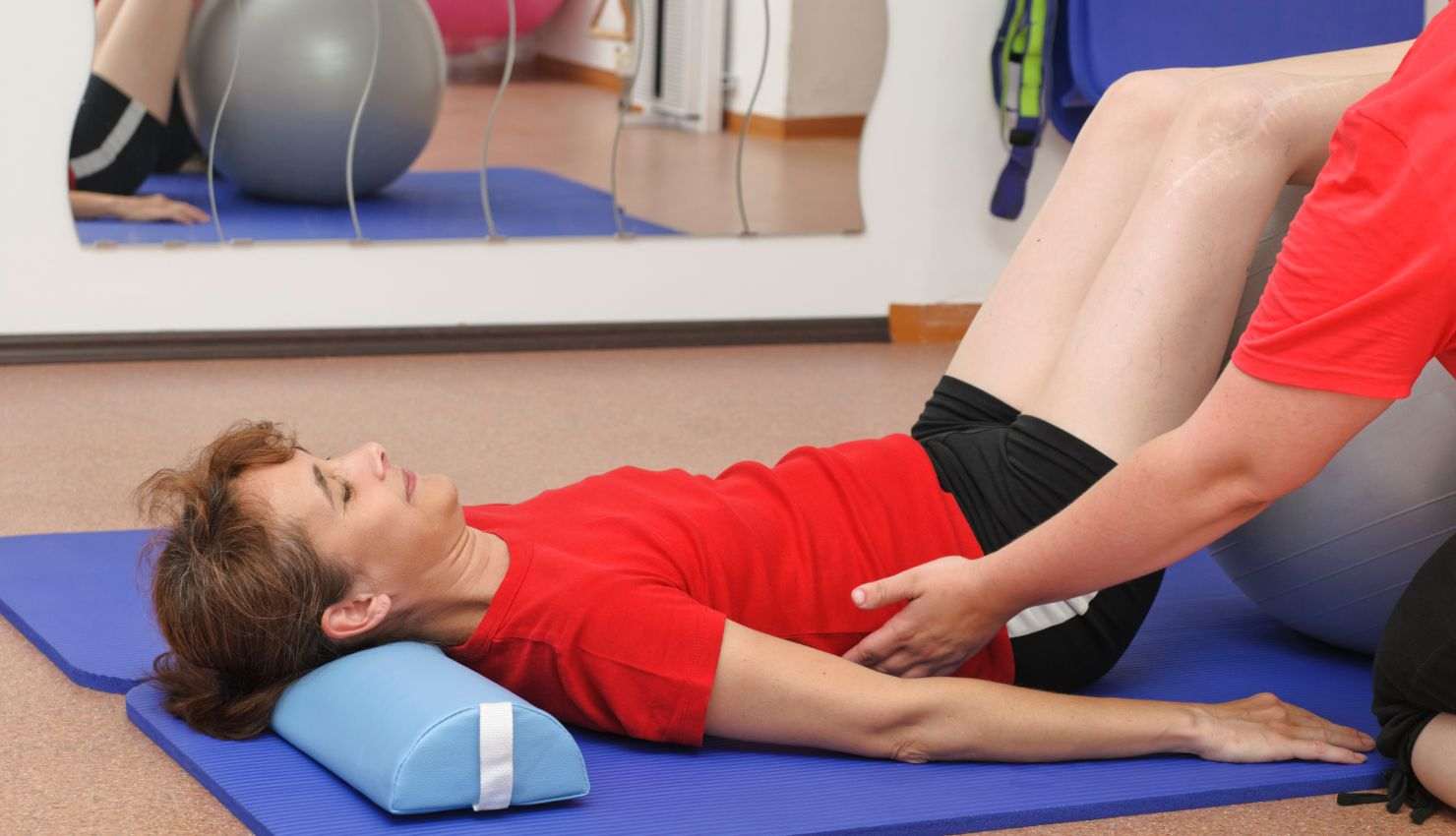
Bed mobility (rolls, bridging) Regain independence in bed
Sit-to-stand with assistance Begin functional mobility
Key Takeaways
Start early: Movement should begin as soon as medically safe (often within 24 hours post-op).
Progress gradually: Increase intensity and complexity under guidance.
Be consistent: Regular movement is more effective than sporadic activity.
Follow a plan: Work with a physiotherapist to tailor exercises to your surgery type and health status.