Movement therapy is a proactive, science-backed approach that helps athletes and active in…

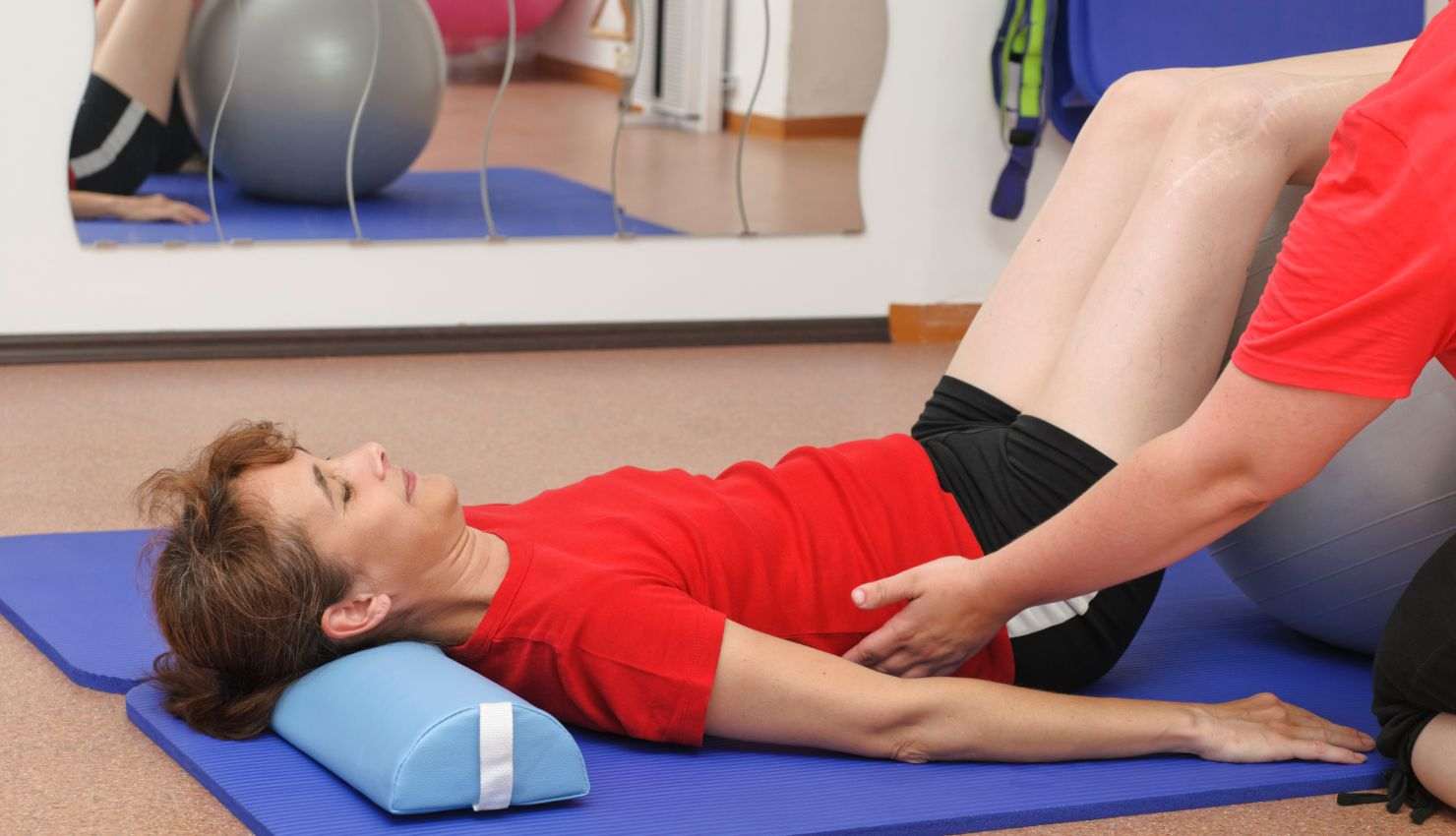
Movement therapy is a proactive, science-backed approach that helps athletes and active individuals improve the way they move to prevent injuries and enhance athletic performance. It focuses on developing efficient, functional movement patterns through mobility work, muscle balance, coordination, and body awareness.
?? How Movement Therapy Prevents Sports Injuries
Corrects Faulty Movement Patterns
Identifies dysfunctional biomechanics (e.g., knee collapse during running or landing).
Re-teaches the body how to move properly under load and during rapid transitions.
Builds Joint Mobility and Stability
Ensures each joint has the range it needs and the strength to control it.
Example: Mobile hips + stable knees = safer lower body mechanics.
Balances Muscle Strength and Flexibility
Addresses overuse and underuse patterns.
Helps prevent strains, tendonitis, and chronic tightness in commonly stressed areas (e.g., hamstrings, shoulders, calves).
Enhances Proprioception (Body Awareness)
Improves balance, coordination, and reaction time.
Helps athletes adapt quickly to changes in direction or terrain, lowering injury risk.
Supports Recovery and Resilience
Incorporates low-impact, restorative movement that promotes circulation and faster healing between training sessions.
?? How Movement Therapy Boosts Performance
Improves Movement Efficiency
Reduces energy leaks and wasted motion.
Enhances agility, speed, and endurance with cleaner movement mechanics.
Increases Strength Through Full Range
Promotes mobility and strength at end ranges of motion.
Leads to greater joint control and power output, especially in explosive sports.
Optimizes Muscle Activation
Improves neural recruitment of key stabilizing and power-generating muscles.
Example: Activating glutes properly during sprinting or squatting improves force and reduces stress on the knees.
Sharpens Mental Focus
Movement therapy often includes mindful movement and breathwork.
Trains the mind to focus on body control and internal cues, essential during high-performance moments.
?? Core Movement Therapy Techniques for Athletes
Technique Purpose Example
Dynamic Warm-Ups Prepares muscles & joints for training High knees, leg swings, lunge & reach
Mobility Drills Improves joint range and control 90/90 hip mobility, thoracic rotations
Proprioceptive Training Boosts balance & neuromuscular control BOSU ball squats, single-leg hops
Corrective Exercises Addresses imbalances & poor patterns Glute bridges, banded shoulder retraction
Controlled Articular Rotations (CARs) Maintains joint health & range Hip, ankle, and shoulder CARs
Eccentric Strength Work Builds resilience in tendons & muscles Nordic curls, slow lowering squats
Breath-Integrated Movement Enhances control & recovery Diaphragmatic breathing during stretches
?? Sport-Specific Applications
Runners: Hip mobility, ankle dorsiflexion drills, single-leg stability
Football/Soccer Players: Agility-based proprioception, hamstring eccentrics
Tennis Players: Shoulder CARs, trunk rotation drills, plyometric lunges
Weightlifters: Deep squat mobility, thoracic extension, scapular control
?? Tips for Integrating Movement Therapy
Before training: Use dynamic movements to warm up and activate.
During cooldown: Incorporate mobility or stretching to reset.
Weekly: Dedicate a session to movement therapy (3045 minutes).
Track: Record improvements in mobility, pain levels, or performance markers.