Movement therapy is a dynamic and evidence-based approach used in physiotherapy to restore…

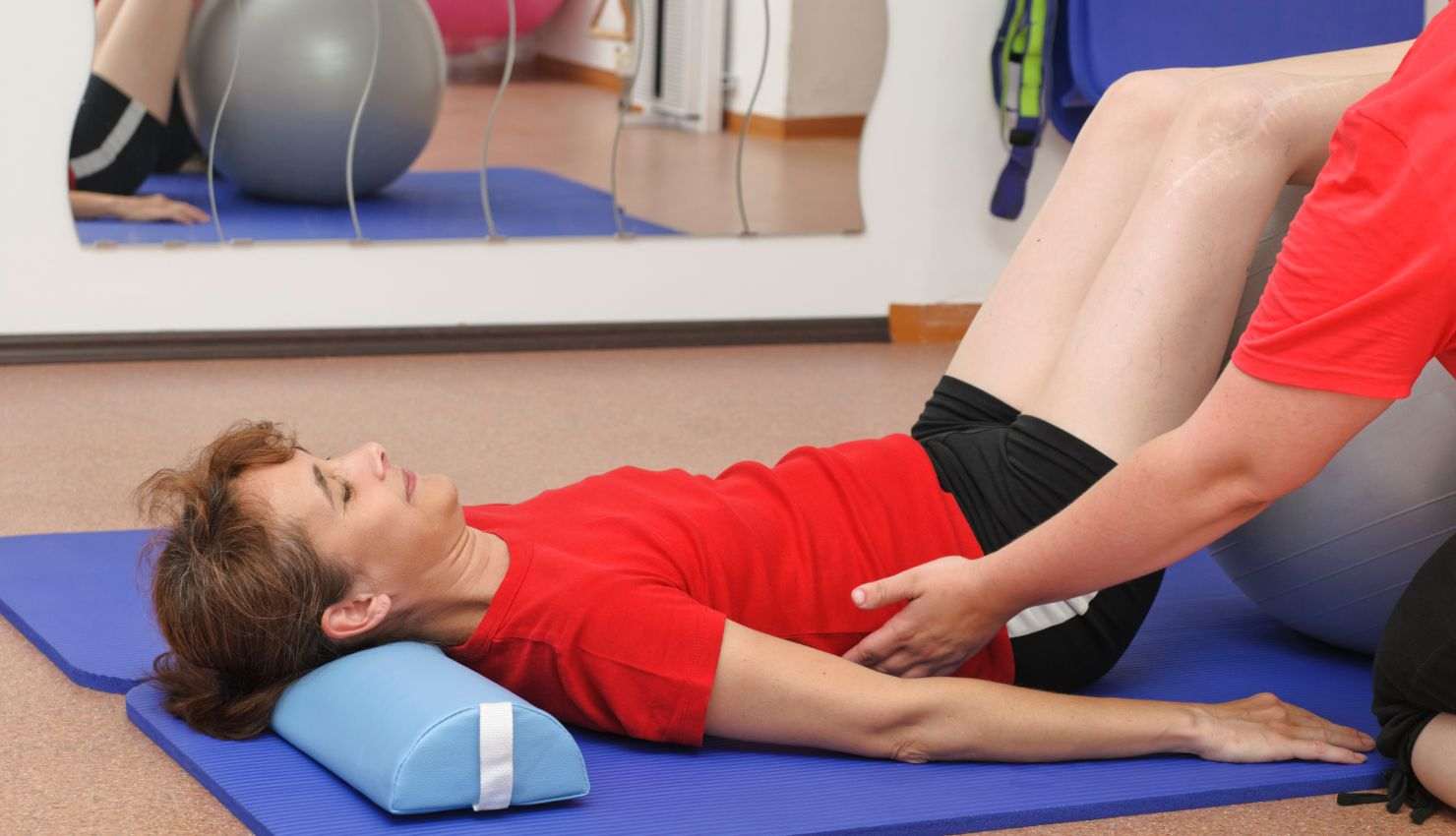
Movement therapy is a dynamic and evidence-based approach used in physiotherapy to restore, maintain, and enhance functional movement. Its not about random exercise or general fitness routinesits a clinically driven process where movement becomes the primary tool for healing pain, correcting dysfunction, and optimizing mobility. At Your Form Sux, we leverage movement therapy to empower patients to take charge of their physical health with precision-guided rehabilitation strategies.
Defining Movement Therapy
Movement therapyalso known as movement-based physiotherapy or therapeutic exerciseis a treatment approach that uses structured, purposeful physical activity to address physical impairments, movement dysfunction, and mobility limitations. The therapy goes beyond stretching or strength training. It targets neuromuscular coordination, postural control, proprioception, and overall biomechanics.
This method is rooted in the understanding that movement is medicine. Pain, stiffness, weakness, or injury often stem from how the body movesor fails to moveduring daily activities, work, or sports. Movement therapy aims to identify and correct these dysfunctions at the source.
How Movement Therapy Works
Movement therapy begins with a comprehensive functional assessment. At Your Form Sux, our physiotherapists evaluate how your body moves in real time. This includes:
Joint range of motion analysis
Posture and alignment evaluation
Muscle strength and imbalance testing
Gait analysis and balance control
Assessment of functional movements (e.g., squatting, bending, lifting)
Based on the findings, your physiotherapist develops a tailored movement program that addresses both the symptoms and the root cause of the problem.
Core Principles Behind Movement Therapy
1. Functional Movement Restoration:
Rather than isolating muscles, movement therapy restores movement patternshow the body performs whole actions like walking, reaching, or climbing stairs. This functional approach ensures relevance to real-life activity.
2. Neuromuscular Re-education:
After an injury or period of inactivity, the brains ability to recruit muscles efficiently can be compromised. Movement therapy retrains these connections, improving coordination, stability, and motor control.
3. Biomechanical Correction:
Faulty movement patterns can stress joints and soft tissues. Movement therapy corrects postural alignment, joint loading, and mechanics to reduce pain and wear over time.
4. Progressive Overload and Adaptation:
Therapeutic movements are introduced gradually and scaled based on your tolerance and response. This ensures continual adaptation and sustainable improvements.
Applications of Movement Therapy in Physiotherapy
Movement therapy is not one-size-fits-allits applicable across a wide range of physiotherapy domains:
Post-Injury Rehab: Rebuilding strength and motion after ligament, tendon, or muscle injuries
Chronic Pain Management: Relieving pain through controlled movement in conditions like arthritis, sciatica, or fibromyalgia
Post-Surgical Recovery: Regaining function after surgeries such as joint replacements or spinal procedures
Neurological Physiotherapy: Enhancing mobility and control in conditions such as Parkinsons disease, stroke, or multiple sclerosis
Pelvic Floor Rehab: Activating deep core muscles and retraining movement strategies
Fall Prevention and Geriatric Therapy: Improving strength, balance, and coordination in older adults
What You Can Expect in a Movement Therapy Program
A customized movement therapy plan at Your Form Sux typically includes:
Mobility Exercises: Targeting joints and tissues to improve range
Stability and Core Training: Reinforcing control around key joints like the spine, hips, and shoulders
Strength and Endurance Movements: Rebuilding muscular strength and fatigue resistance
Balance and Coordination Work: Improving proprioception and dynamic control
Functional Training: Simulating real-world tasks and movements for practical outcomes
Each movement is coached with precise cues, real-time feedback, and progressive loading strategies. The focus is on quality of motion, not just quantity.
The Science-Backed Benefits of Movement Therapy
1. Reduced Pain:
Guided, intentional movement improves circulation, decreases joint stiffness, and promotes the release of endorphins, helping to relieve both acute and chronic pain.
2. Increased Range of Motion and Flexibility:
Safe and progressive stretching techniques restore mobility and reduce compensatory movements.
3. Improved Strength and Function:
Stronger muscles stabilize joints and support daily activities with less strain.
4. Better Posture and Alignment:
Movement therapy helps correct poor habits and body mechanics that lead to long-term dysfunction.
5. Empowered Recovery:
Patients learn how to move smarter, preventing re-injury and regaining control of their physical health.
Is Movement Therapy Right for You?
If youre experiencing joint pain, mobility restrictions, muscle tightness, or have recently sustained an injury, movement therapy could be the most effective and sustainable path to recovery. Unlike passive treatments that offer temporary relief, movement therapy builds long-term resilience through active participation.
At Your Form Sux, we specialize in developing movement therapy programs that match your goalswhether you’re an athlete returning to sport, an office worker with posture issues, or a senior seeking better balance.
Final Thoughts
Movement therapy is more than just exerciseits a clinical tool used to heal, prevent, and optimize. By integrating movement into your physiotherapy plan, you can expect results that are not only faster but longer-lasting. It addresses the why behind your pain or limitation and provides a personalized strategy to move better and feel stronger.
Ready to take the next step toward pain-free, functional movement? Book your consultation today with the expert team at Your Form Sux and experience the transformational impact of movement-based therapy.