What is Structural Integration and How Does It Improve Posture? explores targeted strategies for recovery. Discover new paths to mobility, healing, and personalized care.

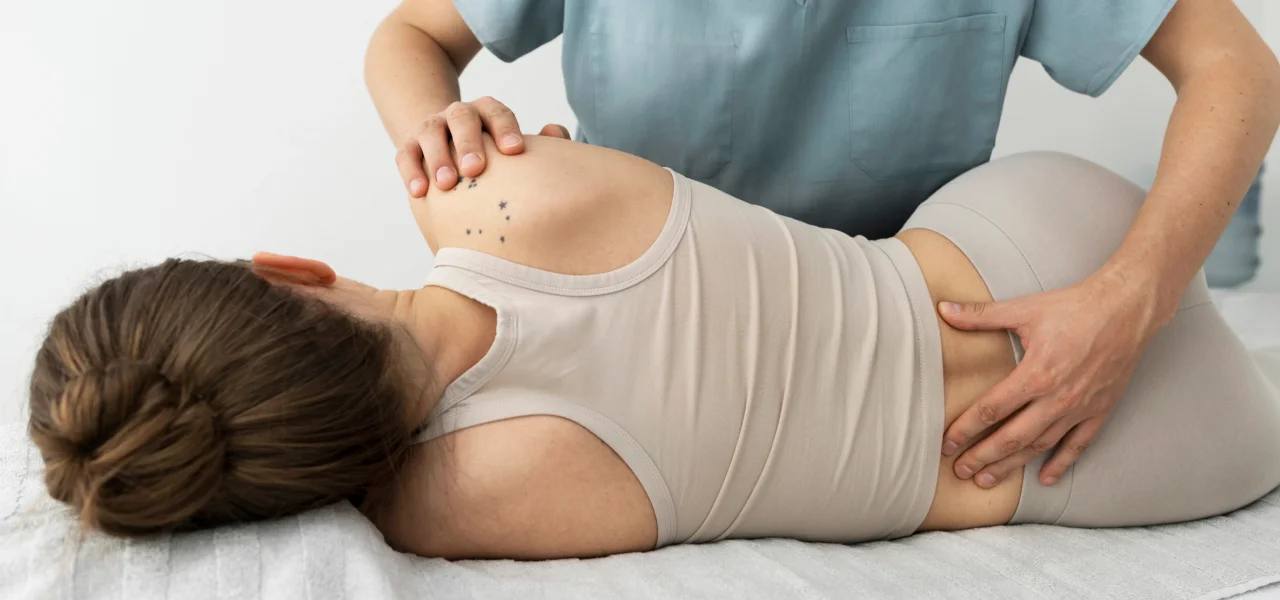
Ever look at someone and think, “Wow, they stand so effortlessly straight!” Then you glance at your own slouch in the mirror and sigh. Dont worryyoure definitely not alone. In todays world of screen time and sedentary living, posture problems are practically a modern epidemic. But heres the good news: there’s a powerful, hands-on approach that can helpStructural Integration.
Lets unpack what this fascinating therapy is all about and how it can truly transform the way you carry yourself.
So, What Is Structural Integration?
Structural Integration (often associated with the Rolfing method, developed by Dr. Ida Rolf) is a form of bodywork that focuses on realigning and balancing the body in gravity. Sounds fancy, but its actually quite simple: its all about improving how your body parts are stacked and connected, from head to toe.
At the heart of this approach is the fasciathe connective tissue that wraps around your muscles, bones, and organs like a web. Over time, due to poor posture, injury, repetitive movement, or emotional stress, fascia can become tight, twisted, and stuck. Thats when your posture suffers and discomfort sets in.
Structural Integration uses deep, precise manual techniques to stretch, loosen, and reorganize the fascia. The goal? To bring your body back into better alignmentand help it stay that way.
How Does It Help Improve Posture?
Imagine your body as a tent with a bunch of guy lines holding it upright. If one of those lines is too tight or too loose, the whole tent leans or collapses. Same goes for your body. Structural Integration helps balance those guy lines (a.k.a. your fascial system) so your spine, shoulders, pelvis, and limbs are better aligned and supported.
Heres what that means in real life:
Less slouching Your chest opens up, your shoulders rest naturally, and your spine lengthens.
Better balance Your weight is more evenly distributed, so you’re not leaning or compensating.
Easier movement Walking, sitting, and standing feel more natural and fluid.
More awareness You start to feel what good posture is, and you naturally begin to maintain it.
And this isnt just about looking poisedproper alignment can also reduce strain on joints, prevent injuries, and even improve breathing and digestion. Its a full-body benefit!
What Happens During a Session?
A Structural Integration session is very hands-on and highly personalized. Typically, the work is done over a series of sessions (often 10 in a classic Rolfing series) where each visit focuses on different areas of the body and specific patterns of tension.
Youll be lying on a massage table, but unlike traditional massage, the work is often deeper and more intentional. Your practitioner might also guide you through movement while working on certain tissuesencouraging awareness and engagement as you go.
Its not always about relaxationits about transformation. Many people describe feeling taller, lighter, and more connected after each session.
Who Is It For?
Structural Integration is a great fit for people who:
Struggle with chronic poor posture
Sit for long hours or work at a computer
Experience chronic tension or stiffness
Are recovering from injuries or surgeries
Are athletes looking to improve performance
Want to feel more aligned and grounded in their bodies
Even if youre not in pain, this work can help you feel more at home in your own body. And thats something we could all use a bit more of.
Final Thoughts: Straighten Up, the Natural Way
Posture isnt just about standing tallits about how your entire body works together in balance. Structural Integration offers a gentle yet powerful reset, helping unwind years of tension and restore natural alignment from the inside out.
So if you’re tired of slouching and ready to feel more open, upright, and energizedStructural Integration might just be the shift your body has been waiting for.