Why Cycle-Syncing is Important for Hormonal Health and Fitness explores targeted strategies for recovery. Discover new paths to mobility, healing, and personalized care.

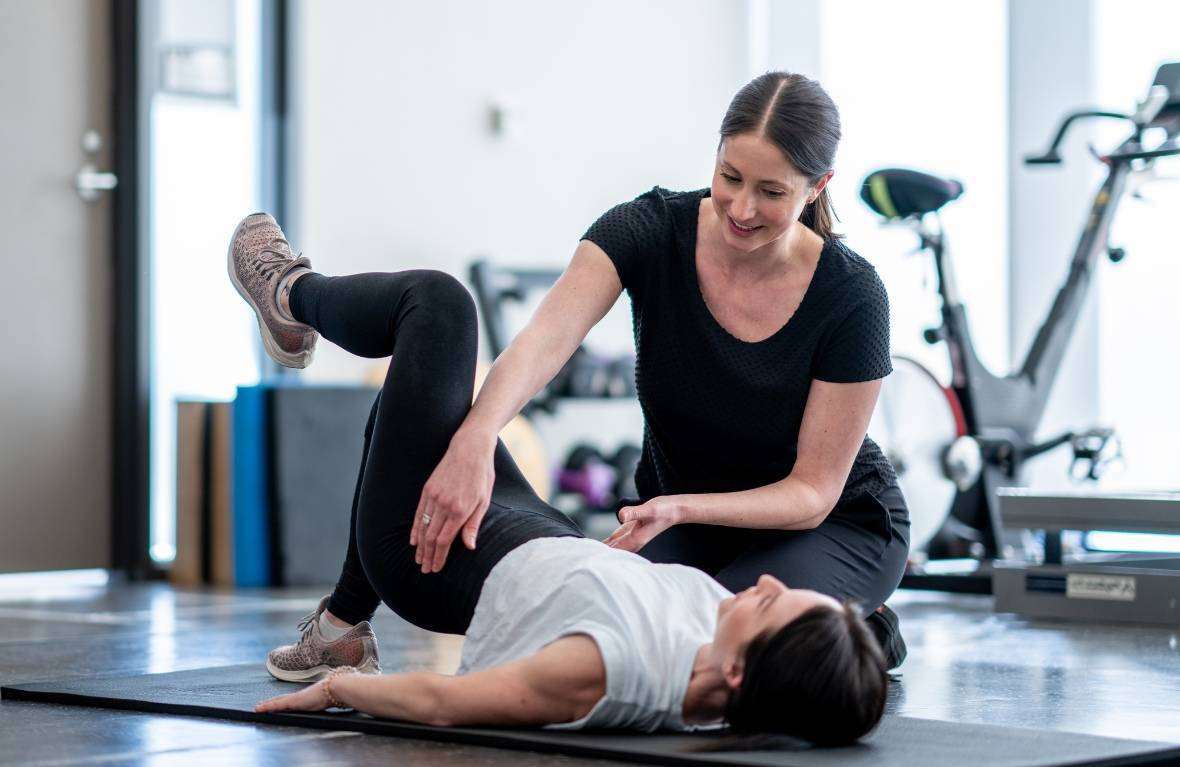
Youve probably heard about syncing your workouts with your menstrual cycle, but did you know that cycle-syncing can profoundly benefit your hormonal health and fitness goals? Cycle-syncing involves aligning your lifestyle, especially your exercise and nutrition habits, with the natural hormonal fluctuations that occur throughout your menstrual cycle.
When done right, cycle-syncing can help you train smarter, reduce symptoms of hormonal imbalance, and enhance your overall well-being.
What is Cycle-Syncing?
Cycle-syncing is the practice of adjusting your activitieslike workouts, eating habits, and restbased on the four phases of your menstrual cycle: menstrual, follicular, ovulation, and luteal. Since hormones like estrogen and progesterone ebb and flow throughout these phases, they affect energy levels, metabolism, mood, and recovery.
By syncing your lifestyle with these changes, youre supporting your bodys natural rhythms rather than working against them.
How Cycle-Syncing Benefits Hormonal Health
Balances Hormone Levels: Aligning your activities helps stabilize hormones, reducing symptoms like PMS, mood swings, and fatigue.
Improves Physical Performance: Training according to your cycle optimizes strength, endurance, and recovery.
Reduces Injury Risk: Hormonal changes affect joint stability; cycle-syncing promotes safer workouts during vulnerable phases.
Enhances Mental Health: Adjusting stress management and sleep based on your cycle supports mood regulation and reduces anxiety.
Supports Weight Management: Metabolism fluctuates with your cycle; cycle-syncing helps manage appetite and fat storage effectively.
Cycle-Syncing and Fitness: What to Do in Each Phase
Menstrual Phase (Days 1-5)
This phase calls for rest and gentle movement.
Focus on restorative activities like yoga, walking, or stretching.
Prioritize sleep and stress reduction.
Use this time for self-care and relaxation.
Follicular Phase (Days 6-14)
Energy and motivation rise here, making it ideal for:
Strength training and high-intensity workouts.
Learning new skills or trying new exercises.
Increasing workout volume or intensity.
Ovulation (Day 14)
Peak strength and endurance occur, but joint laxity increases, so:
Push for personal bests, but warm up thoroughly.
Include dynamic movements and plyometrics cautiously.
Listen to your body to avoid overuse injuries.
Luteal Phase (Days 15-28)
Energy dips and fatigue may set in.
Shift to moderate cardio, Pilates, or light strength training.
Incorporate flexibility and mobility work.
Focus on recovery, hydration, and nutrition to manage bloating and cravings.
How Physiotherapy Supports Cycle-Syncing
Physiotherapists play a crucial role in helping you implement cycle-syncing by:
Assessing your movement and muscle function through each phase.
Designing customized exercise programs aligned with your hormonal rhythms.
Teaching techniques to manage pain, improve pelvic health, and prevent injuries.
Offering guidance on stress management and recovery strategies.
Tips to Get Started with Cycle-Syncing
Track your menstrual cycle and symptoms daily using apps or journals.
Note how you feel during each phase and adjust workouts accordingly.
Seek professional support from a physiotherapist or fitness coach experienced in cycle-syncing.
Be patient and flexibleyour cycle can change with stress, illness, or lifestyle factors.
Final Thoughts
Cycle-syncing isnt a fad; its a science-backed way to optimize your health and fitness by respecting your bodys natural hormonal patterns. With the support of physiotherapy, you can tailor your training, recovery, and lifestyle to reduce symptoms of hormonal imbalance and boost performance.
Embracing cycle-syncing empowers you to work with your bodys biology, leading to better health, improved fitness results, and a more harmonious relationship with your menstrual cycle.