Why Every Dancer Should Consider Regular Physiotherapy Sessions explores targeted strategies for recovery. Discover new paths to mobility, healing, and personalized care.

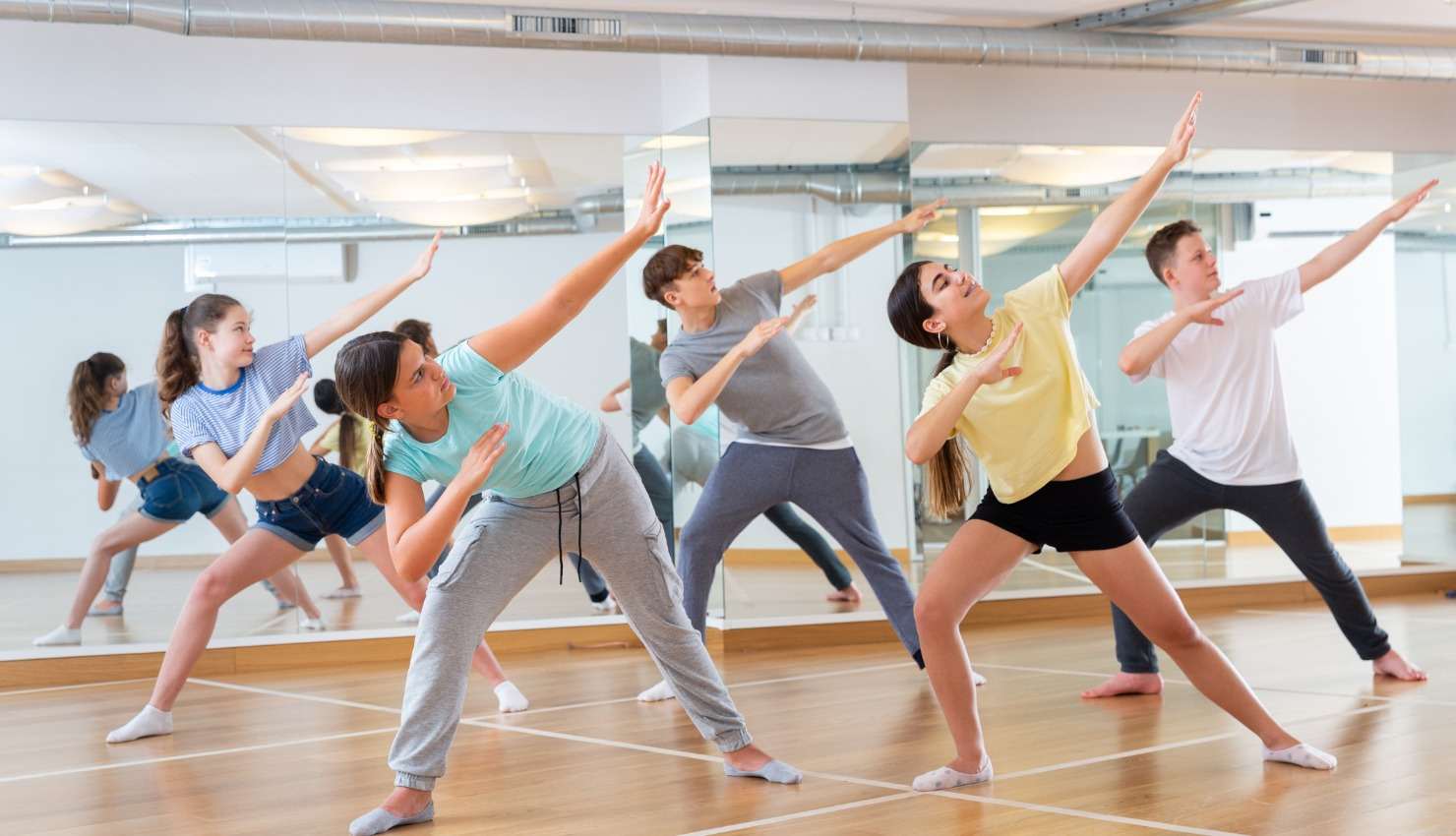
Dancing is a beautiful and demanding art form that requires strength, flexibility, balance, and endurance. Whether you are a professional ballerina, a contemporary dancer, or someone who enjoys dance as a hobby, your body is your most important instrument. This is why regular physiotherapy sessions should be an integral part of every dancers routine. Physiotherapy offers targeted care that enhances performance, prevents injury, and promotes long-term physical health, enabling dancers to sustain their passion without compromise.
Understanding the Physical Demands of Dance
Dance challenges your body in unique ways. It requires repetitive movements, jumps, turns, and poses that put significant stress on muscles, joints, ligaments, and bones. Over time, this stress can lead to fatigue, muscle imbalances, and overuse injuries. Physiotherapy addresses these issues by identifying weak or tight areas and designing customized treatment plans that promote optimal movement mechanics and muscle function.
Injury Prevention through Early Intervention
One of the primary benefits of regular physiotherapy for dancers is injury prevention. Physiotherapists have specialized knowledge about the biomechanics of dance and can assess your movement patterns to detect early signs of potential injury. Common dance injuries include tendonitis, stress fractures, ankle sprains, and joint pain. Through manual therapy, corrective exercises, and education on proper technique, physiotherapy helps minimize the risk of these injuries before they become severe or chronic.
Enhancing Flexibility and Strength
Flexibility and strength are crucial for dance performance. However, excessive flexibility without adequate strength can increase injury risk, while strength without flexibility can limit movement quality. Physiotherapy helps dancers achieve the right balance by combining stretching protocols with strengthening exercises tailored to their specific dance style and body type. This balanced approach improves range of motion, muscle control, and joint stability, all of which contribute to smoother, safer, and more expressive movements.
Supporting Recovery and Rehabilitation
Even with precautions, dancers can experience injuries or chronic pain. Physiotherapy plays a vital role in recovery by accelerating healing, reducing inflammation, and restoring function. Techniques such as manual therapy, therapeutic ultrasound, and targeted exercises help repair damaged tissues and rebuild strength. A physiotherapist will also guide dancers on safe return-to-dance timelines and modifications to prevent re-injury.
Improving Posture and Alignment
Good posture and alignment are essential not only for aesthetics but also for efficient movement and injury prevention. Physiotherapy assessments can reveal subtle imbalances or weaknesses that affect posture. Through corrective exercises and neuromuscular re-education, dancers can improve their alignment, reducing strain on joints and muscles, and enhancing overall performance quality.
Addressing Chronic Pain and Fatigue
Chronic pain, particularly in the lower back, hips, knees, and ankles, is a common complaint among dancers. Regular physiotherapy sessions can manage these symptoms by addressing underlying causes such as muscle imbalances, poor biomechanics, or overtraining. Physiotherapists also teach strategies for managing fatigue and stress, including proper warm-ups, cool-downs, and recovery techniques.
Personalized Care for Every Dance Discipline
Whether your focus is ballet, jazz, hip-hop, contemporary, or ballroom, physiotherapy can be tailored to meet the specific physical demands of your discipline. Different dance styles emphasize various muscle groups and movement patterns. A physiotherapist who understands your dance background can design personalized programs that support your unique needs, helping you excel safely.
The Mental Benefits of Physiotherapy for Dancers
Beyond physical advantages, physiotherapy provides mental benefits. Knowing you have expert support to prevent injury and manage pain reduces anxiety and boosts confidence. This peace of mind allows dancers to focus fully on creativity and expression, enhancing both training and performance experiences.
Incorporating Physiotherapy into Your Dance Routine
Integrating physiotherapy into a dancers routine need not be complicated or time-consuming. Regular sessions can be scheduled monthly or seasonally, depending on training intensity and individual needs. Additionally, physiotherapists often provide home exercise programs and self-care advice to maintain progress between visits.
Conclusion: Prioritize Your Body for a Lifelong Dance Journey
Dancing is a lifelong journey that can bring immense joy and fulfillment. To sustain this, dancers must prioritize their physical health just as much as their technique. Regular physiotherapy sessions offer a proactive approach to injury prevention, strength building, and recovery, ensuring that your body remains as graceful and resilient as your art.
Investing in physiotherapy is investing in your dance career and overall well-being. By taking this step, you empower yourself to perform at your best, stay injury-free, and enjoy the art of dance for years to come.