Why Every Dancer Should Include Physiotherapy in Their Weekly Routine explores targeted strategies for recovery. Discover new paths to mobility, healing, and personalized care.

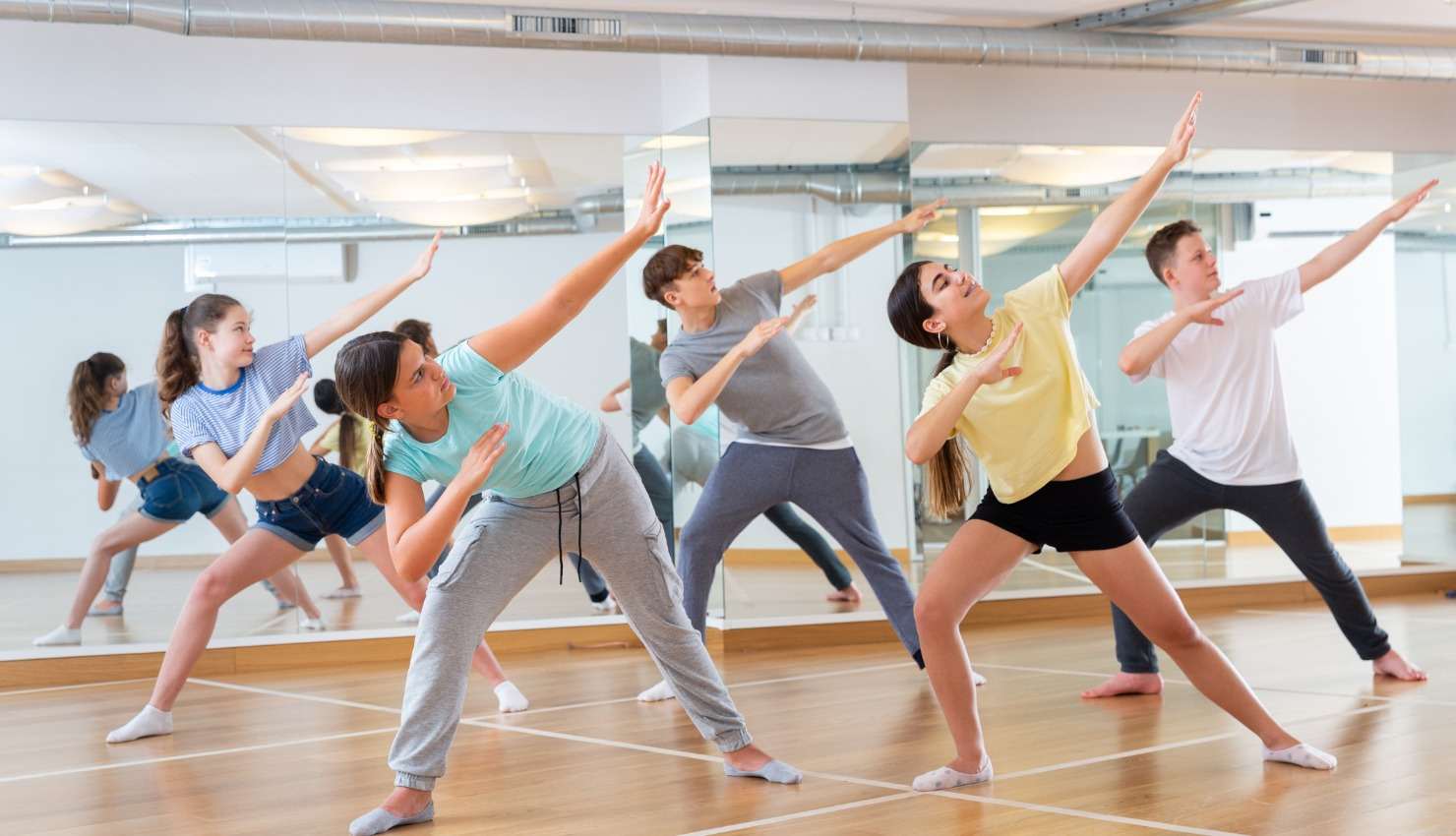
Dancing is one of the most physically demanding art forms, requiring dancers to execute a wide range of movements that test their strength, flexibility, balance, and endurance. From pirouettes to leaps, every dance move involves intricate and precise movements that place significant stress on the body. Over time, these stresses can lead to injury, fatigue, or reduced performance. That’s why every dancer should incorporate physiotherapy into their weekly routine to prevent injuries, enhance their physical capabilities, and ensure their long-term health. In this blog, well explore why physiotherapy is vital for dancers and how it helps optimize performance and prevent injuries.
The Demands of Dance and the Risk of Injury
Dance is a physically intense activity that demands high levels of flexibility, strength, and coordination. Whether a dancer is performing in a ballet company, training for a competitive routine, or practicing for a contemporary performance, the repetitive and strenuous movements place immense strain on muscles, joints, and tendons. As a result, dancers are at a higher risk for injuries such as strains, sprains, stress fractures, and overuse injuries.
To mitigate these risks, it is essential for dancers to take proactive steps in caring for their bodies, and physiotherapy offers an effective solution. Physiotherapists can assess movement patterns, identify areas of weakness or imbalance, and provide personalized programs that not only address current injuries but also prevent future ones. Including physiotherapy in a dancer’s weekly routine can help maintain peak physical condition and allow them to perform at their best.
1. Injury Prevention Through Movement Screening and Assessment
Physiotherapy begins with a thorough assessment of the dancer’s movement patterns, flexibility, and posture. This screening is vital because it helps physiotherapists detect any areas of imbalance or misalignment that could lead to injury. For example, a dancer might have tight hip flexors, weak core muscles, or poor posture, all of which can put strain on the knees, lower back, or ankles.
By identifying these issues early on, physiotherapists can create a customized treatment plan to address them before they lead to an injury. This approach is much more effective than waiting until an injury occurs, as it focuses on preventing problems before they start. The key to injury prevention lies in a proactive approach regular physiotherapy sessions can help ensure that any imbalances are corrected before they cause damage.
2. Enhancing Flexibility and Range of Motion
Flexibility is one of the cornerstones of a dancer’s performance, allowing them to perform high kicks, extensions, and fluid movements with grace and precision. However, flexibility alone is not enough. Dancers must also have a healthy range of motion in their joints and muscles to move freely and without restrictions. Physiotherapists use a combination of stretching techniques, manual therapy, and strengthening exercises to improve flexibility while maintaining optimal joint function.
Through targeted flexibility training, physiotherapists can help dancers improve muscle elasticity, increase joint mobility, and achieve a broader range of motion. This not only enhances performance but also reduces the risk of injury. Dancers who lack flexibility or joint mobility are more likely to suffer from muscle strains, ligament injuries, or joint sprains. Therefore, regular physiotherapy sessions are crucial for maintaining the flexibility and mobility required for dance.
3. Strengthening the Muscles and Preventing Overuse Injuries
One of the most important aspects of dance training is muscle strength. Dancers rely on a combination of controlled strength and flexibility to execute every movement. However, overuse injuries, such as tendonitis or muscle strains, can occur when certain muscle groups are overworked or improperly strengthened.
Physiotherapy helps dancers build strength in the muscles that are critical to their dance style. Physiotherapists design individualized exercise programs to target both major muscle groups and smaller, stabilizing muscles. Strengthening the core, legs, and back helps dancers maintain proper posture and alignment, preventing strain on the joints and muscles. Additionally, physiotherapy helps to identify any muscle imbalances that could lead to overuse injuries, providing corrective exercises to address these weaknesses.
Strengthening the muscles also supports the dancers ability to perform at a high level without tiring quickly. Dance routines can be physically demanding, and muscle fatigue can lead to improper technique and increase the likelihood of injury. Through physiotherapy, dancers can develop the strength and endurance necessary to perform at their peak throughout the entire performance or rehearsal.
4. Rehabilitation and Injury Recovery
Even with the best preventative measures, injuries can still occur. When they do, physiotherapy plays a crucial role in rehabilitation and recovery. Physiotherapists help dancers recover from injuries by providing specialized treatments that target the specific injury site. Whether it’s a sprained ankle, pulled hamstring, or tendinitis, physiotherapists utilize a range of therapeutic techniques, including ice and heat therapy, manual therapy, ultrasound, and electrical stimulation, to reduce pain and promote healing.
In addition to physical therapy, physiotherapists guide dancers through a gradual return to movement, ensuring that they do not push their bodies too hard too soon. This process, known as progressive rehabilitation, allows dancers to regain their strength and mobility while avoiding re-injury. Physiotherapy helps dancers recover faster, reduce pain, and regain their full range of motion, so they can get back to dancing with confidence.
5. Improving Posture and Alignment
Proper posture and body alignment are essential for both injury prevention and optimal performance in dance. Poor posture can lead to overcompensation in certain areas of the body, increasing the risk of musculoskeletal problems. Physiotherapists assess the dancers posture and alignment and provide corrective exercises to improve it.
By improving posture and alignment, physiotherapy helps prevent common issues such as lower back pain, neck strain, and knee problems. Additionally, better alignment allows dancers to perform more efficiently, conserving energy and reducing the risk of unnecessary strain. Physiotherapists may use techniques like manual therapy, joint mobilization, and specific exercises to promote proper posture and alignment, both in the studio and on the stage.
6. Long-Term Health and Performance
The benefits of physiotherapy extend beyond injury prevention and recovery. Consistent physiotherapy treatment ensures that dancers maintain long-term health, physical well-being, and performance. By strengthening the muscles, improving flexibility, and maintaining proper posture, dancers can continue to perform at their best throughout their careers, even as they age.
Physiotherapy can also help dancers maintain their mental well-being. Dance injuries, especially chronic ones, can take a toll on a dancers mental health, leading to frustration, anxiety, and burnout. By staying proactive and incorporating physiotherapy into their routine, dancers can prevent injuries before they become debilitating and continue to enjoy their craft for years to come.
Conclusion
Incorporating physiotherapy into a dancer’s weekly routine is not only beneficial but necessary for maintaining long-term health and performance. Physiotherapy helps prevent injuries, improve flexibility and strength, correct posture, and accelerate recovery. It enables dancers to perform at their best while minimizing the risk of injury and supporting their overall well-being. Every dancer, from beginners to seasoned professionals, should prioritize physiotherapy as part of their regular routine to ensure they stay injury-free and continue to perform at the highest level possible.
By incorporating physiotherapy into their weekly routine, dancers can enjoy the benefits of a well-rounded approach to physical health, supporting their passion and longevity in the demanding world of dance.