Why Every Dancer Should Prioritize Injury Prevention with Physiotherapy explores targeted strategies for recovery. Discover new paths to mobility, healing, and personalized care.

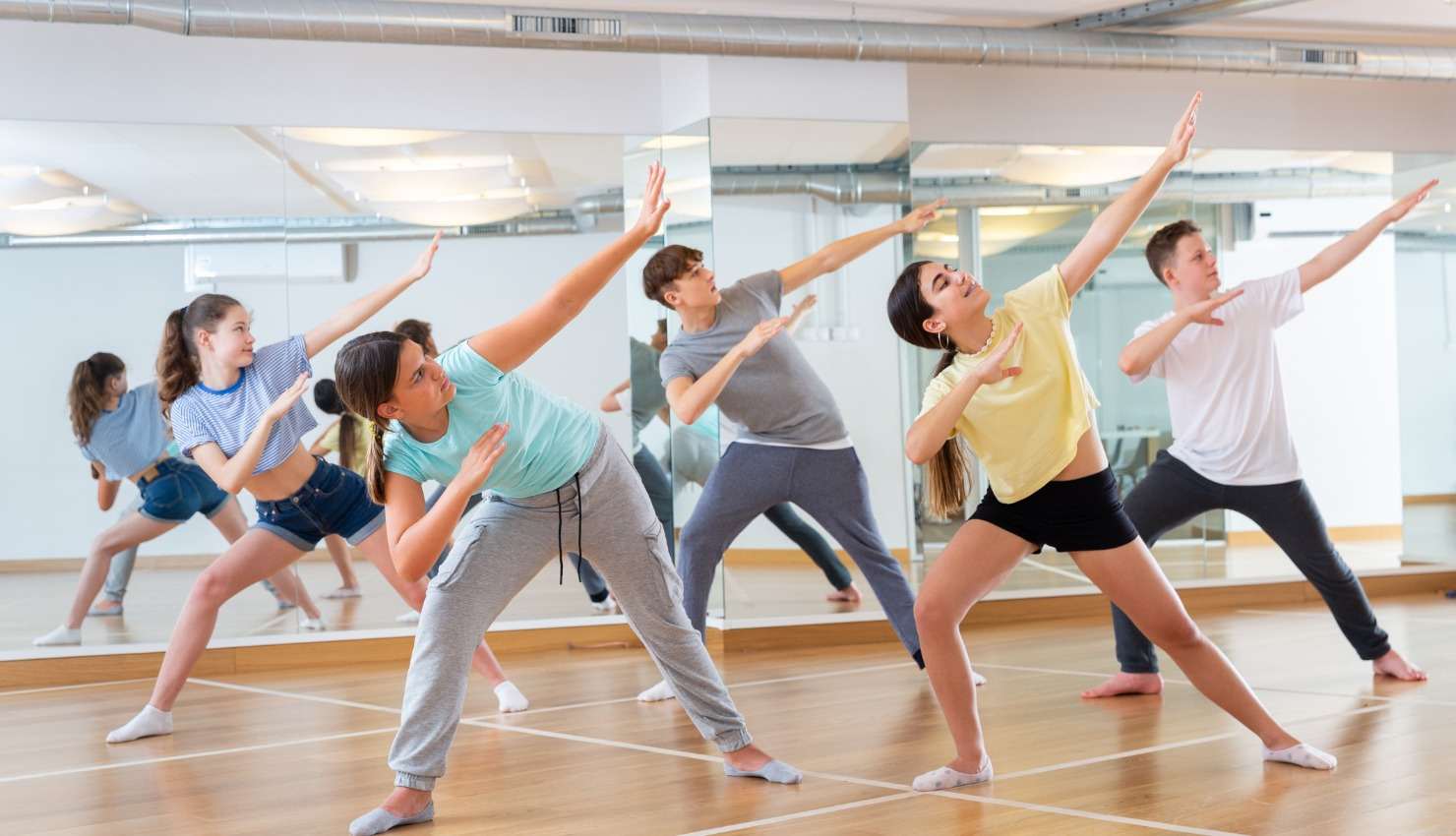
Dance Is Physically Demanding
Dancers require exceptional strength, flexibility, coordination, and balance. This intense physical demand places tremendous strain on muscles, joints, ligaments, and tendons. Without a proactive injury prevention strategy, even minor biomechanical imbalances can lead to long-term damage.
2. Physiotherapy Detects and Corrects Imbalances Early
Physiotherapists are trained to identify subtle movement dysfunctions or postural misalignments before they evolve into injuries. Through assessment and targeted correction, dancers can address issues like uneven hip alignment, muscle imbalances, or improper foot mechanics.
3. Customized Prevention Plans
Unlike generalized workouts, physiotherapy offers personalized programs based on a dancers unique needs, discipline, and history. These plans often include:
Targeted strengthening exercises
Flexibility routines
Neuromuscular re-education
Joint stability drills
4. Reduces Downtime from Injuries
A dancer sidelined by injury can lose weeksor even monthsof training and performance opportunities. Physiotherapy significantly reduces the risk of common dance injuries such as:
Tendonitis
Stress fractures
Ankle sprains
Lower back pain
By focusing on prevention, dancers stay in peak condition and avoid long recovery periods.
5. Enhances Performance
Prevention isn’t just about avoiding injuryits about optimizing movement. Physiotherapy enhances muscular control, core strength, and alignment, which leads to better execution of choreography, improved stamina, and refined technique.
6. Education and Body Awareness
Physiotherapists teach dancers how to listen to their bodies. Understanding warning signs of overtraining, fatigue, or biomechanical stress empowers dancers to act before a problem worsens.