Why Every Performer Needs a Physiotherapist on Their Team explores targeted strategies for recovery. Discover new paths to mobility, healing, and personalized care.

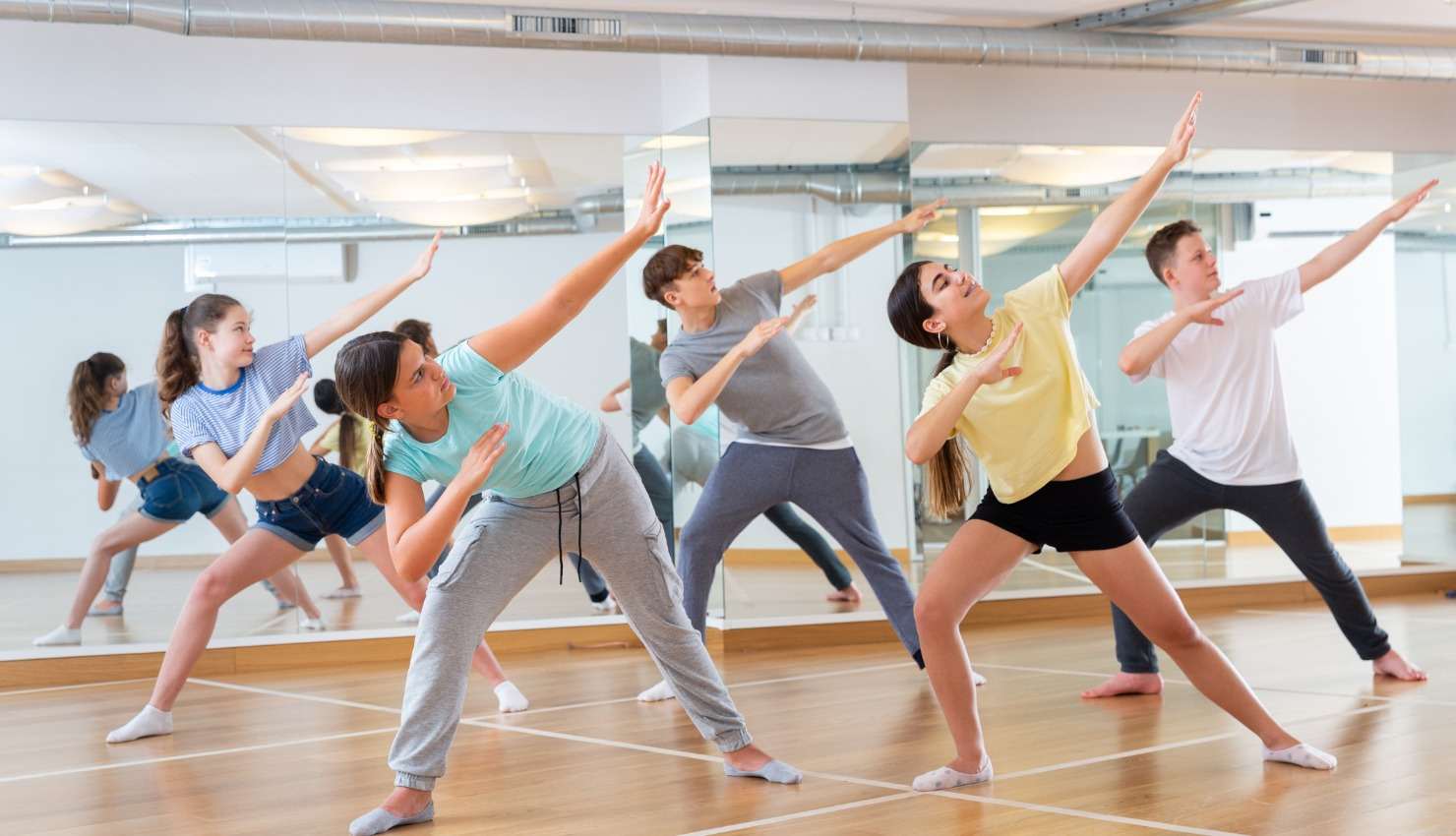
Whether you’re a dancer, actor, musician, acrobat, or circus artist, the stage is your battlefieldand your body is the primary tool of your craft. Just as athletes rely on trainers and coaches, performing artists need physiotherapists to protect, maintain, and enhance their physical performance.
Far beyond treating injuries, physiotherapists play a crucial role in keeping performers strong, resilient, and ready to meet the demands of their disciplineday in and day out.
?? 1. Injury Prevention: Staying Ahead of the Curve
In performance careers, injuries dont just hurtthey interrupt training, compromise roles, and shorten careers.
A physiotherapist helps performers:
Identify imbalances, weaknesses, or poor mechanics
Develop prehabilitation programs to prevent overuse injuries
Provide safe warm-up and cooldown strategies
Monitor fatigue and training loads
?? Result: Fewer injuries, more stage time, and longer career longevity.
?? 2. Early Detection and Fast Recovery
Performers often ignore small pains until they become big problems.
Physiotherapists:
Detect microtraumas before they escalate
Offer early intervention (manual therapy, taping, mobilization)
Guide structured rehabilitation plans
Prevent re-injury through graded return-to-performance programs
?? Result: Faster healing, reduced downtime, and stronger return.
?? 3. Performance Enhancement
Physiotherapy isnt just reactiveits proactive. Your physio can improve:
Strength and stability in movement-specific patterns
Flexibility and control in high-risk joints (e.g., shoulders, hips, ankles)
Core engagement and alignment
Precision and stamina through neuromuscular training
?? Result: Sharper technique, better control, and improved energy efficiency.
?? 4. Body Awareness and Movement Mastery
Many performers develop asymmetrical habits or compensations that limit their performance.
Physiotherapists provide:
Movement analysis to identify inefficient patterns
Postural correction techniques
Cueing and proprioceptive training
Alignment and technique coaching integrated with choreography
?? Result: A more intelligent, aware, and refined performer on stage.
?? 5. Tailored Conditioning Programs
Generic workouts cant meet the complex needs of a performers body.
A physiotherapist will build:
Cross-training routines based on your performance style
Joint-specific strengthening for vulnerable areas
Flexibility routines to support safe range of motion
Periodized conditioning plans for touring or competition seasons
?? Result: Peak physical condition without burnout or overtraining.
?? 6. Professional Support During Tours and Productions
Back-to-back shows, long rehearsals, and travel stress take a toll.
A physiotherapist on your team ensures:
On-site care before, during, and after performances
Real-time taping, cupping, or massage as needed
Injury triage and performance readiness assessments
Daily monitoring of fatigue and mobility
?? Result: You stay at your best, even under pressure.
?? 7. Long-Term Career Sustainability
The performing arts arent just about this show or this seasontheyre about building a sustainable, long-lasting career.
Physiotherapists help performers:
Navigate physical demands through each stage of their career
Modify movement patterns to accommodate age or injury
Balance performance goals with health and recovery
Maintain physical literacy and self-care habits for the long term
?? Result: A career that thrives without burning out your body.
?? Performers Physiotherapy Checklist
Benefit Why It Matters
Injury prevention Keeps you on stage, not sidelined
Personalized care Meets your unique physical demands
Performance optimization Boosts strength, agility, and stamina
Faster recovery Shortens healing time, prevents setbacks
Holistic support Merges physical, mental, and emotional well-being