Pelvic floor health plays a critical role in a womans overall well-being, yet it is often overlooked in health education. From menstruation to menopause, pregnancy to postpartum recovery, and beyond, the pelvic floor supports vital functions that influence urinary health, sexual wellness, core stability, and mental resilience.


Pelvic floor health plays a critical role in a womans overall well-being, yet it is often overlooked in health education. From menstruation to menopause, pregnancy to postpartum recovery, and beyond, the pelvic floor supports vital functions that influence urinary health, sexual wellness, core stability, and mental resilience. Understanding pelvic floor health isnt just for those already experiencing issuesits a proactive step every woman should take to prevent dysfunction and maintain lifelong wellness.
What Is the Pelvic Floor?
The pelvic floor is a group of muscles and connective tissues that form a hammock-like structure at the base of the pelvis. These muscles support the bladder, uterus, and rectum, control continence, aid in sexual function, and stabilize the spine and hips.
Despite their importance, pelvic floor muscles are often underutilized, poorly understood, or strained by life events like childbirth, surgery, or hormonal changes. Without awareness and education, many women fail to recognize early warning signs of dysfunction.
Common Pelvic Floor Issues in Women
Pelvic floor dysfunction doesnt always manifest as pain or incontinenceit can appear as:
Pelvic heaviness or pressure
Lower back or hip pain
Pain during intercourse
Difficulty initiating urination or bowel movements
A sensation of incomplete emptying
Increased urgency or frequency
These symptoms may be dismissed as normal, especially during postpartum or menopause, but they are not. Timely education can lead to early intervention and better outcomes.
Benefits of Educating Women About Pelvic Health
Prevention of Dysfunction
Teaching women how to properly engage, relax, and care for their pelvic floor reduces the risk of issues like urinary incontinence, prolapse, or chronic pelvic pain. Preventive care is far more effective than reactive treatment.
Empowerment Through Body Awareness
Knowledge of pelvic anatomy and function allows women to notice subtle changes, seek help early, and take ownership of their health journey.
Enhanced Recovery Postpartum
Pelvic health education before and after childbirth helps women protect and rebuild their pelvic floor after delivery. It supports healing, improves posture, and reduces the risk of prolapse or diastasis recti.
Improved Sexual Function and Confidence
A healthy pelvic floor contributes to pleasurable, pain-free intimacy. Women who understand the role of these muscles often report greater confidence and better sexual health.
Support During Menopause
Hormonal shifts during perimenopause and menopause affect tissue elasticity and muscle tone. Knowing how to adjust lifestyle, posture, and exercise can ease this transition.
Role of Physiotherapy in Pelvic Health Education
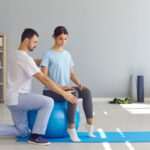
Pelvic floor physiotherapists play a vital role in educating women about anatomy, function, and self-care. Through one-on-one assessments, they teach:
How to identify pelvic floor muscle engagement
When to strengthen versus when to relax
Safe exercises tailored to different life stages
Lifestyle modifications to support pelvic organ health
Educational sessions remove the stigma around pelvic health and provide tools for lifelong maintenance.
Making Pelvic Health a Normal Conversation
For too long, pelvic floor topics have been shrouded in embarrassment or dismissed as taboo. Changing this narrative begins with open, informed conversations. Schools, workplaces, and healthcare providers should integrate pelvic health into wellness programs to normalize awareness and empower every woman.
Conclusion: Knowledge Is Preventive Power
Pelvic floor education isnt just for women in painits for all women. Its about living without fear of leakage, discomfort, or dysfunction. Its about understanding your body and nurturing its strength across all life phases.
At YFS, we believe that education is the first step to empowerment. Our pelvic health physiotherapy programs are designed to support, inform, and guide you through a stronger, more confident life.