Reclaim Your Core Confidence with Pelvic Floor Therapy Many women silently struggle with urinary leakage, pelvic heaviness, or intimate discomfortbut pelvic floor therapy offers a discreet, effective pathway to reclaim control and confidence. YourFormsUX, serving women across Canada, understands the life-altering benefits pelvic floor rehabilitation brings to modern womenfrom new moms navigating postpartum recovery to …

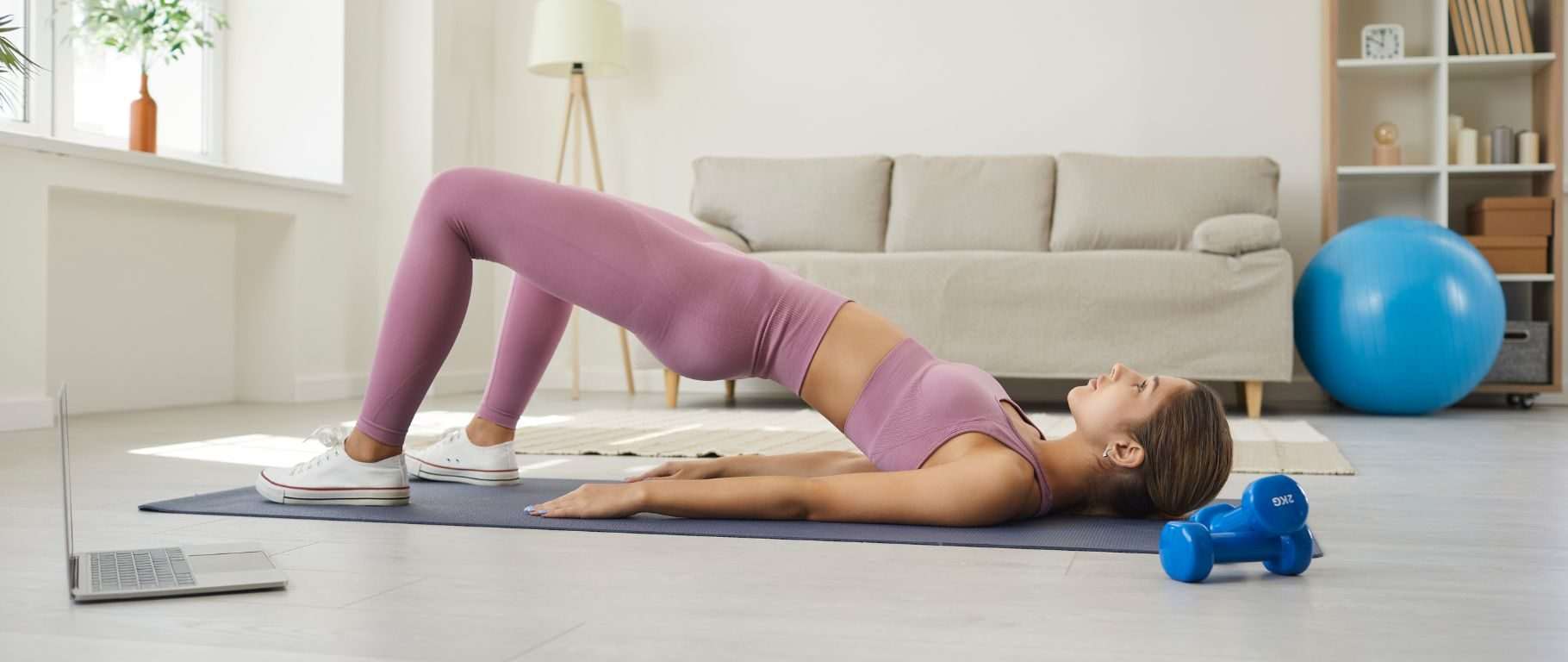
Reclaim Your Core Confidence with Pelvic Floor Therapy
Many women silently struggle with urinary leakage, pelvic heaviness, or intimate discomfortbut pelvic floor therapy offers a discreet, effective pathway to reclaim control and confidence.
YourFormsUX, serving women across Canada, understands the life-altering benefits pelvic floor rehabilitation brings to modern womenfrom new moms navigating postpartum recovery to active professionals balancing health and performance.
Understanding the Pelvic Floor: Why It Matters
The pelvic floor comprises a network of muscles, ligaments, and tissues that support the bladder, uterus, and rectum. When functioning properly, these muscles maintain continence, support core stability, contribute to sexual wellness, and even play a role in lower back health.
However, factors such as aging, pregnancy and childbirth, chronic coughing, obesity, heavy lifting, or surgery can contribute to pelvic floor dysfunction. Common symptoms include:
Urinary incontinence or leakage during exercise, coughing, or sneezing
Sudden urges or frequency in urination
Pelvic organ prolapse symptoms (e.g., feeling of pressure or bulge)
Pain during intercourse or pelvic pain
Low back pain and poor core stability
These conditions are far from uncommonstudies show up to 50% of women experience some degree of pelvic floor disordersbut they often remain underdiagnosed due to embarrassment or lack of awareness.
What Is Pelvic Floor Therapy?
Pelvic floor therapy is a specialized, evidence-based rehabilitative practice led by trained physiotherapists (pelvic health physiotherapists or womens health specialists). It combines internal assessment, external muscle evaluation, exercise prescription, biofeedback, and pelvic education to restore healthy pelvic function.
Key approaches include:
Pelvic floor muscle training (Kegels): Targeted contractions and releases aimed at improving strength and endurance.
Biofeedback-assisted exercise: Real-time metrics and guidance using sensors and feedback devices.
Manual therapy: Internal and external soft?tissue work for releasing muscle tension or trigger points.
Breathing and core integration: Exercises that align diaphragm function, posture, and core stability.
Behavioral retraining: Pelvic health coaching to optimize toileting habits, fluid intake, bowel management, and lifestyle modifications.
This holistic model addresses not only symptoms but underlying causeswhether muscle weakness, hypertonicity, coordination issues, or connective tissue laxity.
Why Every Woman Should Explore It
Postpartum Recovery & Menopause Management
Pregnancy and childbirth place unparalleled stress on pelvic floor tissues. Many new moms experience diastasis recti, postpartum incontinence, or pelvic organ descent. Pelvic floor therapy is a gold standard intervention for rehabilitating muscles post-childbirth and reducing prolapse risk. Similarly, menopausal changesdeclining estrogen, tissue thinningcan increase urinary urgency or pelvic floor weakness. Therapeutic rehab helps maintain function and prevent further deterioration.
Improve Pelvic Stability & Athletic Performance
Women who run, cycle, or engage in high?impact sports may experience stress urinary incontinence or pelvic heaviness. Pelvic floor strengthening improves core stability and force coordination, reducing leak?during?exercise and enhancing performance. Its also increasingly recognized in athletic training programs and physical performance models.
Enhance Sexual Health & Reduce Discomfort
Pain during intercourse (dyspareunia), vaginismus, or reduced sensation can all stem from pelvic floor muscle tension or dysfunction. Pelvic floor therapy targets these conditions through sensory retraining, manual release, and gradual relaxation techniquesrestoring comfort, intimacy, and emotional well?being.
Reduce Chronic Pelvic or Lower Back Pain
A tight or weak pelvic floor often coexists with low back pain and core instability. Through coordinated breathing, alignment strategies, and muscle retraining, pelvic floor therapy can significantly reduce chronic pelvic girdle or lumbar discomfort.
Lower Risk of Pelvic Organ Prolapse & Reduce Surgery Needs
Mild prolapse (e.g., C-section and childbirth-related descent) may be managed conservatively through therapy and targeted exercise, sometimes avoiding surgical intervention altogether. And for women who have undergone pelvic surgery (e.g., hysterectomy), pelvic floor rehabilitation aids scar mobility, tissue healing, and functional restoration.
What to Expect in a Pelvic Floor Therapy Session
At YourFormsUXand similar clinics across Canadathe first pelvic floor therapy session typically includes:
Comprehensive intake: Health, surgical, obstetric, lifestyle and bladder/bowel symptom history.
Movement and posture assessment: Identifying core?pelvic alignment issues.
Internal/external evaluation: A pelvic health physiotherapist may assess muscle strength, tone, coordination, and trigger points.
Biofeedback & strength testing: Real?time visual or pressure feedback tools to guide exercises.
Individualized home program: Practical daily exercises, toileting strategies, breathing integration, and lifestyle recommendations.
Education & empowerment: Guidance on symptom recognition, progress, and when to progress therapy or seek follow-up care.
Goals are realistic and tailored: regaining leakage control, reducing urgency, improving core fitness, returning to sport, or resolving pelvic discomfort.
How to Choose the Right Clinic
When searching for pelvic floor therapy near you:
Look for certified pelvic health physiotherapists, often registered with CPA (Canadian Physiotherapy Association) or CAPWH (Canadian Association of Physical Wellness and Health).
Confirm services include biofeedback, internal assessment, and manual therapy.
Look for privacy?focused environments and language?sensitive care, especially for postpartum and sexual health.
Check if your insurance provider, including provincial or group benefits (e.g., Greenshield, Sun Life), covers physiotherapy for pelvic health.
YourFormsUX in Canada emphasizes compassionate, evidence?informed pelvic health care with discreet, women?centered environmentsideal for those seeking specialized rehabilitation.
Next Steps: Is It Right for You?
If you’re experiencing any of the following, consider pelvic floor therapy:
Stress, urge, or mixed urinary incontinence
Postpartum recovery challenges (weak core, heaviness, diastasis)
Pelvic organ prolapse symptoms
Pelvic, hip, or low back pain
Painful intercourse or pelvic pain
Sports?related pelvic floor concerns
Connecting with a pelvic health physiotherapist is the first step toward better bladder control, core strength, sexual comfort, and quality of life.
Take Control with Pelvic Floor Therapy
Pelvic floor therapy isnt just for a select fewits a foundational journey every woman should understand. Whether you’re a new mom, active athlete, mid?life professional, or navigating menopause, personalized pelvic health care can unlock restored confidence, continual core strength, and lasting comfort. If youve experienced leaks, pain, or pelvic changesstart the conversation today. You deserve care built around your body, your goals, and your future.
YourFormsUX empowers you to take the lead in pelvic health through expert, guided physiotherapybecause every woman deserves a strong, supported centre.