Why Joint Mobility Matters explores targeted strategies for recovery. Discover new paths to mobility, healing, and personalized care.

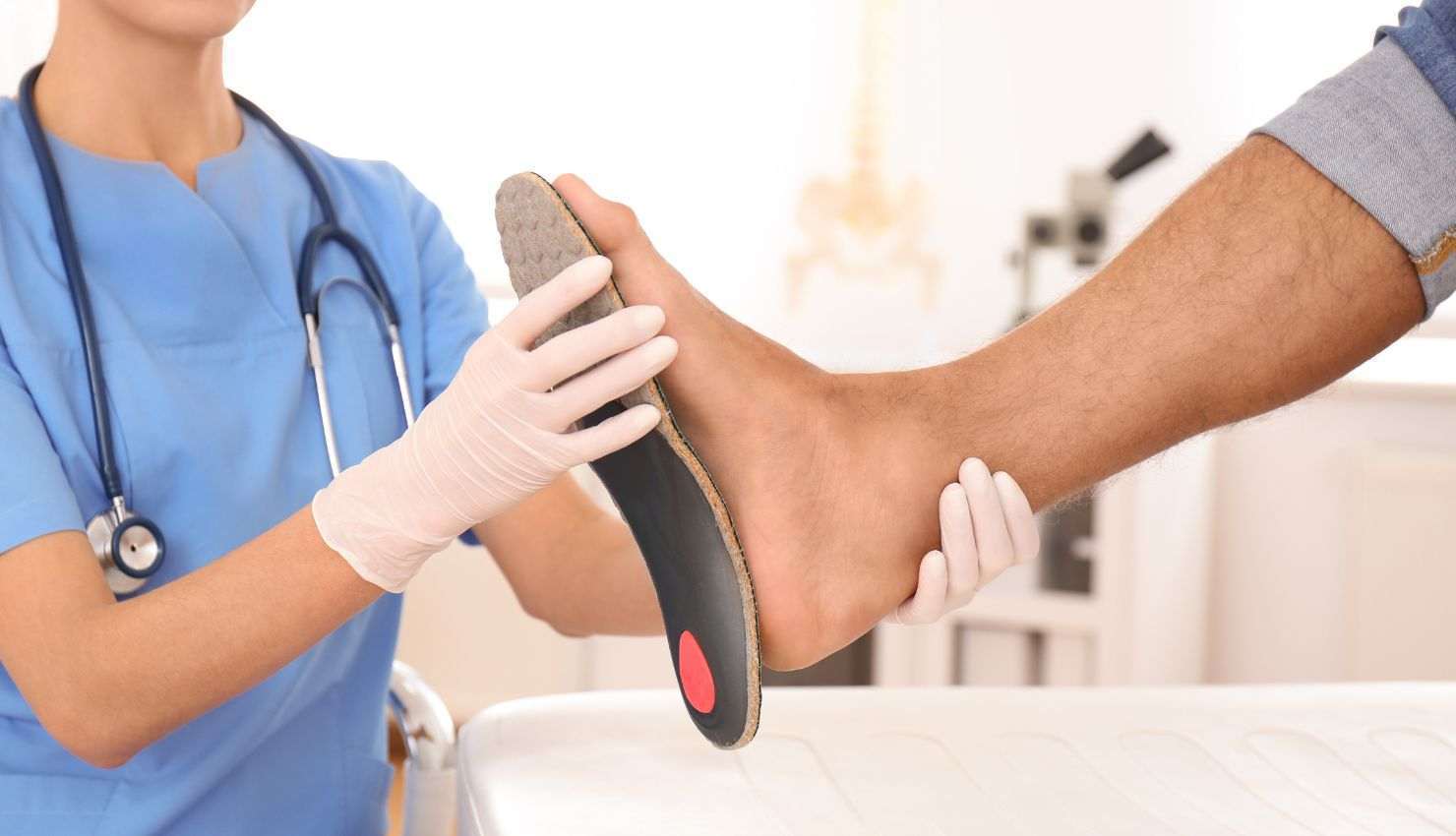
Joint mobility is a fundamental aspect of physical health, influencing how well we move, perform daily activities, and maintain overall strength and flexibility. Despite its importance, joint mobility is often overlooked until stiffness, pain, or injury occurs. Understanding why joint mobility matters can motivate proactive care to enhance both flexibility and strength, ultimately supporting a healthier, more active lifestyle.
In this blog, we explore the vital role joint mobility plays in improving flexibility and strength, how it affects overall function, and ways physiotherapy can help optimize joint health.
What is Joint Mobility?
Joint mobility refers to the ability of a joint to move through its full, pain-free range of motion. It depends on the joints structure, the elasticity of surrounding muscles, ligaments, and tendons, and the coordination of the nervous system. Healthy joint mobility allows smooth, efficient movements, reduces the risk of injury, and supports muscular function.
The Relationship Between Joint Mobility, Flexibility, and Strength
Flexibility: Flexibility is the capacity of muscles and soft tissues to lengthen and allow joints to move freely. Good joint mobility ensures muscles and connective tissues are not restricted, enabling optimal stretching and movement.
Strength: Muscles generate force across joints to produce movement and provide stability. When joints are mobile, muscles can activate effectively through their full range, maximizing strength development and functional performance.
Limited joint mobility restricts movement patterns, forcing muscles to work inefficiently or in shortened positions, which can weaken strength and reduce flexibility.
Benefits of Optimizing Joint Mobility for Flexibility and Strength
Enhanced Range of Motion
Optimized joint mobility allows joints to move fully, which helps muscles stretch and contract efficiently.
Improved Muscle Activation
Healthy joints facilitate proper muscle recruitment patterns, enabling stronger and more balanced muscle contractions.
Reduced Injury Risk
Flexible joints and muscles better absorb forces during activity, preventing strains, sprains, and overuse injuries.
Better Posture and Alignment
Mobile joints support proper alignment, reducing compensatory muscle tightness and weakness.
Increased Functional Performance
Greater mobility combined with flexibility and strength improves athletic abilities, daily activities, and overall quality of life.
How Physiotherapy Supports Joint Mobility to Improve Flexibility and Strength
Physiotherapists use a range of evidence-based techniques to optimize joint mobility and its benefits:
Manual Therapy: Hands-on mobilizations and soft tissue work reduce stiffness and improve tissue elasticity.
Stretching Programs: Tailored stretches target muscles and connective tissues to enhance flexibility.
Strength Training: Exercises focus on strengthening muscles around joints to support mobility and function.
Neuromuscular Re-education: Retrains the nervous system to improve muscle coordination and joint control.
Functional Movement Training: Integrates improved mobility and strength into real-world movements for lasting benefits.
Tips for Maintaining and Enhancing Joint Mobility
Incorporate daily stretching and mobility exercises
Engage in regular physical activity with a balance of strength and flexibility training
Maintain good posture and ergonomics during work and leisure
Avoid prolonged sedentary periods to prevent joint stiffness
Seek professional assessment and guidance if experiencing joint pain or limited movement
How YourFormSux Can Help You Improve Joint Mobility, Flexibility, and Strength
At YourFormSux, our expert physiotherapists develop personalized plans focusing on joint mobility to unlock your bodys full potential. Whether recovering from injury, managing chronic conditions, or aiming to enhance performance, we provide tailored therapies that improve flexibility, build strength, and restore functional movement.
Our holistic approach empowers you to move better, feel stronger, and live healthier.
Conclusion: Prioritize Joint Mobility for Optimal Flexibility and Strength
Joint mobility is the foundation of flexibility and strength, essential for pain-free movement and physical performance. Investing in joint health through physiotherapy and lifestyle habits can prevent injury, enhance function, and improve quality of life.