Why Joint Mobility Matters in Your Daily Movement and Posture explores targeted strategies for recovery. Discover new paths to mobility, healing, and personalized care.

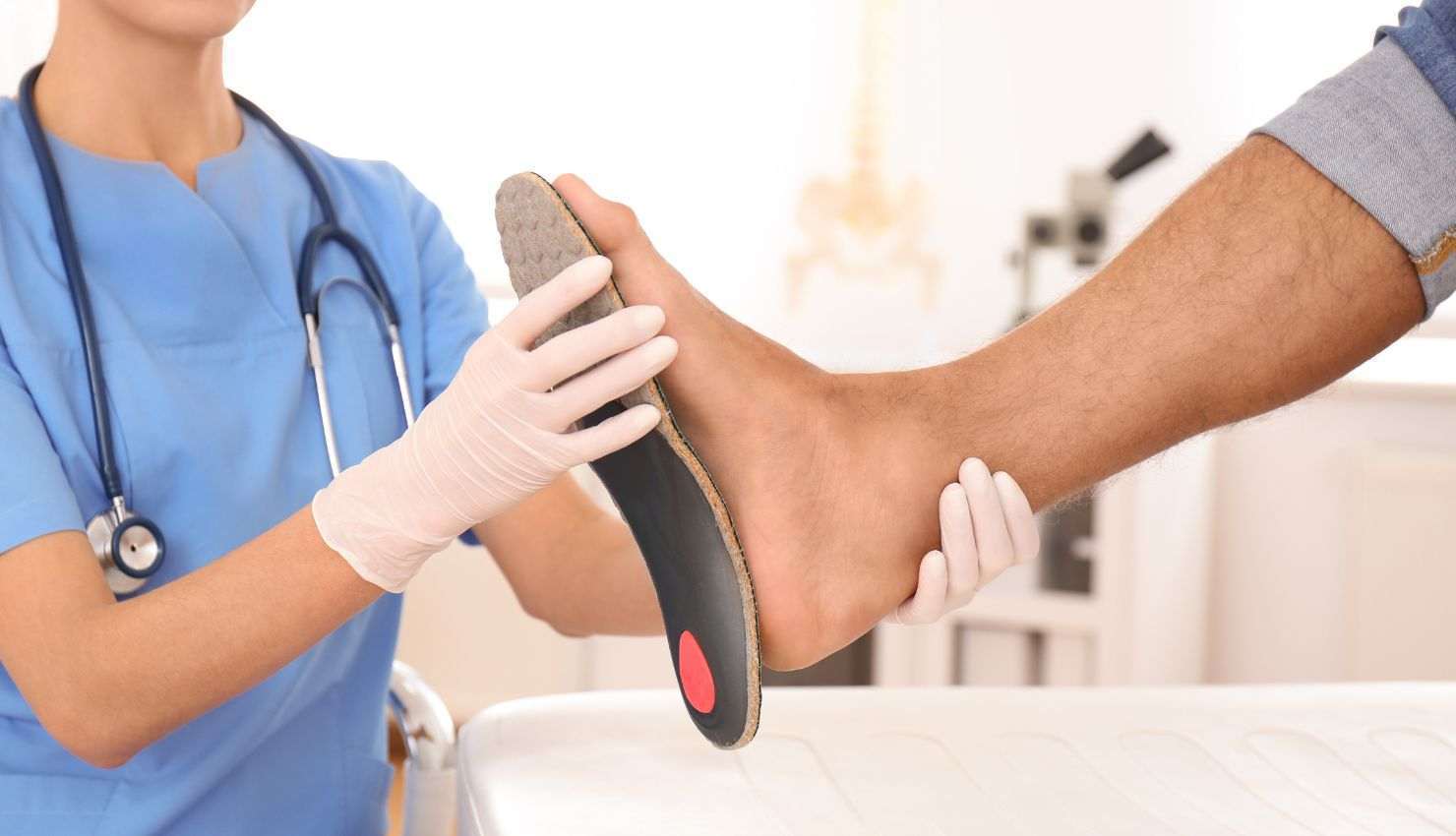
Joint mobility is a fundamental aspect of physical health that influences how you move, maintain posture, and perform everyday activities. Healthy joints allow smooth, pain-free motion, enabling you to bend, reach, walk, and sit with ease. When joint mobility is compromised, it can lead to stiffness, poor posture, discomfort, and increased risk of injury.
At YourFormSux (YFS) in Canada, we focus on improving joint mobility to enhance daily movement, correct posture, and support long-term musculoskeletal health. Understanding why joint mobility matters is the first step toward a healthier, more active life.
What Is Joint Mobility?
Joint mobility refers to the ability of a joint to move freely through its full range of motion. This includes all directions of movement, such as bending, extending, rotating, and sliding. Optimal mobility ensures that joints function properly without restriction or pain.
How Joint Mobility Affects Daily Movement
Your daily movementsfrom walking and climbing stairs to reaching for objectsdepend on healthy joint mobility. When joints move freely:
Movements are smooth and efficient
Muscles work effectively without compensating for restricted joints
Energy is conserved, reducing fatigue
Risk of strain and injury decreases
Conversely, limited joint mobility forces the body to adjust movement patterns, often leading to overuse of other muscles and joints, which can cause pain and dysfunction.
Joint Mobilitys Role in Posture
Good posture relies on the alignment and function of joints throughout the body, especially the spine, hips, shoulders, and knees. Joint stiffness or restrictions can:
Pull the body out of natural alignment
Cause muscle imbalances as some muscles become tight and others weak
Lead to poor posture habits like slouching or forward head position
Increase strain on joints and soft tissues, causing pain and discomfort
Maintaining joint mobility supports natural alignment and helps sustain healthy posture throughout the day.
Common Causes of Reduced Joint Mobility
Sedentary lifestyle or prolonged sitting
Injury or surgery
Aging-related changes like arthritis
Muscle tightness and imbalances
Poor ergonomics and repetitive movements
Identifying and addressing these causes can help restore joint function and prevent further complications.
How YourFormSux (YFS) Supports Joint Mobility for Better Movement and Posture
At YourFormSux (YFS), we offer personalized assessments and treatments focused on:
Manual Therapy: Gentle joint mobilizations and soft tissue techniques to increase flexibility.
Therapeutic Exercises: Targeted stretching and strengthening to restore balance and support joints.
Postural Training: Education and exercises to improve body awareness and alignment.
Movement Retraining: Correcting faulty movement patterns that limit joint mobility.
Our holistic approach ensures lasting improvements in joint function, posture, and daily movement.
Tips to Maintain and Improve Joint Mobility Daily
Incorporate regular stretching routines targeting key joints.
Take frequent breaks from prolonged sitting to move and stretch.
Practice good ergonomics at work and home.
Engage in low-impact exercises like walking, swimming, or yoga.
Stay hydrated and maintain a balanced diet to support joint health.
Why Joint Mobility Matters for Long-Term Health
Maintaining joint mobility not only supports daily function but also helps prevent chronic conditions such as osteoarthritis and musculoskeletal pain. Healthy joints contribute to an active lifestyle, better balance, and reduced fall risk, enhancing overall quality of life.
Final Thoughts: Prioritize Your Joint Mobility for Better Movement and Posture
Joint mobility is a cornerstone of healthy movement and posture. By keeping your joints flexible and functional, you reduce pain, improve efficiency, and support lifelong wellness.