Why Joint Optimization Is Essential for Long-Term Wellness explores targeted strategies for recovery. Discover new paths to mobility, healing, and personalized care.

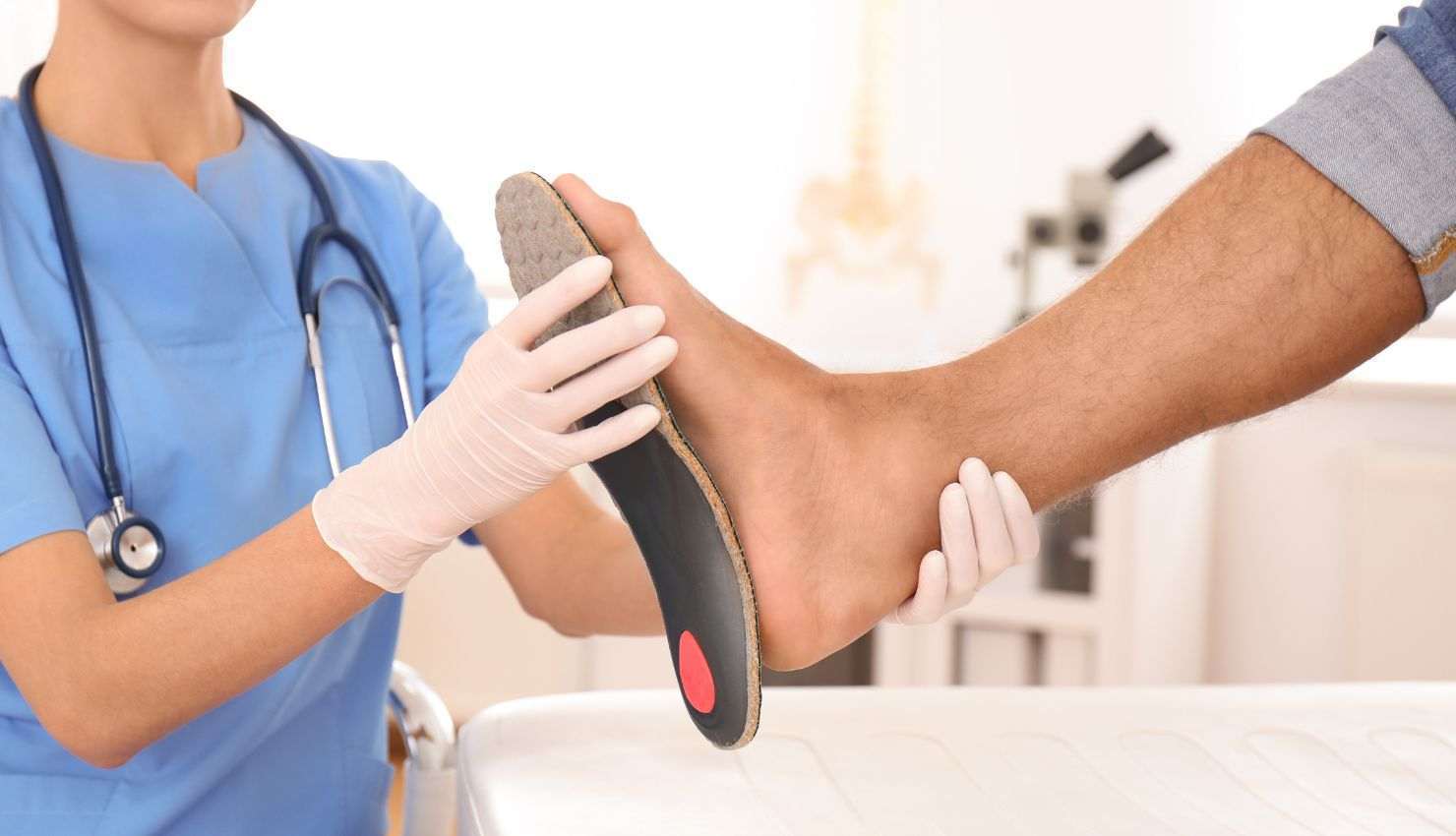
We often associate health with nutrition, heart health, or fitness, but what many people dont realize is that joint optimization is just as important for long-term wellness. Whether you’re looking to stay active into your later years, reduce chronic pain, or improve your posture and daily comfort, optimizing how your joints move plays a critical role in your quality of life.
Joint optimization means enhancing the way joints function by improving alignment, mobility, and muscular support. This isnt just about managing symptomsits about preventing problems before they start. When joints are optimized, the entire body moves more efficiently, and the risk of injury, inflammation, and degeneration is greatly reduced. Its a foundational strategy for long-term health, and physiotherapy is the key to making it happen.
What Is Joint Optimization?
Joint optimization involves:
Ensuring that each joint can move through its full range of motion
Maintaining proper alignment under load
Supporting the joint with balanced muscle strength and control
Reinforcing safe, efficient movement patterns
Its about fine-tuning your movement systems so your body can work smarter, not harder.
Unlike reactive approaches that treat pain after it starts, joint optimization is proactive. It identifies and corrects dysfunctions earlybefore they lead to arthritis, injury, or chronic pain.
The Risks of Ignoring Joint Health
When joint mechanics are off, the body begins to compensate. This causes:
Muscular imbalances
Uneven wear and tear on cartilage
Reduced range of motion
Loss of strength and stability
Increased inflammation
Left unaddressed, these issues can evolve into long-term problems like:
Osteoarthritis
Chronic back or neck pain
Shoulder impingement
Knee tracking disorders
Postural misalignment
Joint degeneration
Poor joint function doesnt just affect your mobilityit affects your energy, sleep quality, mental health, and ability to perform daily tasks.
Why Joint Optimization Matters for Long-Term Wellness
1. Supports Active Aging
As we age, joints naturally lose some of their flexibility and fluidity. However, much of this degeneration is preventable. Optimizing joint function can:
Preserve independence
Reduce the risk of falls
Improve balance and coordination
Allow for continued physical activity
Delay the onset of arthritis and joint stiffness
With strong, mobile joints, you can maintain your lifestyle well into older adulthood.
2. Prevents Injuries
Joint optimization minimizes strain on muscles, tendons, and ligaments by ensuring that movement patterns are aligned and efficient. This helps prevent:
Sports injuries
Workplace strain
Overuse conditions
Repetitive motion injuries
When joints are moving correctly, other structures dont have to overcompensate.
3. Enhances Energy Efficiency
Poor joint mechanics make movement inefficient. Your body uses more energy to perform basic tasks, leading to fatigue. Optimized joints allow:
Smoother motion with less effort
Lower stress on the cardiovascular system
Improved endurance for physical activity
When joints function properly, you conserve energy and move with ease.
4. Improves Whole-Body Health
Joint health is connected to multiple systems:
The nervous system, which controls muscle coordination
The musculoskeletal system, which provides movement and posture
The lymphatic and circulatory systems, which benefit from movement to promote detoxification and oxygen flow
Healthy joints keep these systems functioning well, contributing to better immune response, digestion, and stress resilience.
The Role of Physiotherapy in Joint Optimization
Physiotherapy is one of the most effective methods for achieving and maintaining joint optimization. A physiotherapist:
Assesses joint range of motion, strength, posture, and alignment
Identifies biomechanical faults before they cause injury
Designs individualized mobility and strengthening programs
Uses manual therapy to restore soft tissue and joint function
Coaches proper movement mechanics for long-term success
This proactive, targeted approach ensures that your joints are functioning as they should and remain protected.
Techniques Used in Physiotherapy for Joint Optimization
1. Joint Mobilization
Gentle, controlled movements applied to the joint to reduce stiffness and restore motion. These techniques:
Loosen joint capsules
Improve joint glide
Decrease pain and tension
2. Soft Tissue Work
Tight muscles and fascia can restrict joint movement. Manual techniques like myofascial release and trigger point therapy improve:
Muscle flexibility
Joint alignment
Circulation
3. Corrective Exercise
Targeted strength and mobility exercises:
Rebalance muscle groups around the joint
Improve joint control during motion
Restore safe functional movement
Examples include glute strengthening for hip stability, rotator cuff training for shoulders, or core exercises for spinal support.
4. Neuromuscular Re-education
Reinforcing proper movement through repetition and motor control drills teaches the body how to move efficiently again. This prevents harmful compensation patterns and re-establishes healthy joint behavior.
Joints That Most Benefit from Optimization
While all joints need attention, some play especially key roles in maintaining whole-body function:
Hips Influence spinal alignment, balance, and lower body power
Knees Support mobility and carry the weight of the body
Shoulders Critical for arm function and posture
Spine A central hub for balance, flexibility, and core strength
Ankles Foundational for gait, jumping, and stability
By optimizing these major joints, you set a strong foundation for overall wellness.
Joint Optimization vs. General Exercise
While general exercise is important, it doesnt always address the root of movement inefficiency. Without proper joint alignment:
Strength training can reinforce poor mechanics
Stretching may not target the right restrictions
Cardio may aggravate joint imbalances
Joint optimization through physiotherapy ensures that you build strength, flexibility, and endurance on a healthy foundationleading to sustainable results.
Tips for Maintaining Joint Health Daily
Move regularly Avoid long periods of sitting or immobility
Incorporate mobility routines Daily stretches and drills for key joints
Strengthen supporting muscles Focus on glutes, core, scapular muscles
Practice proper form Whether walking, lifting, or exercising
Use ergonomic tools Especially at workstations or while driving
Stay hydrated Joints need lubrication from within
Get regular checkups Dont wait until pain arises to seek help
Final Thoughts: Invest in Your Joints, Invest in Your Future
Long-term wellness doesnt come from temporary fixesit comes from building a strong, balanced foundation that supports your health for life. Joint optimization isnt just about improving how you moveits about ensuring that your body can adapt, recover, and thrive as you age.
With physiotherapy as your partner, you can identify early warning signs, correct mechanical issues, and protect your joints before pain or dysfunction sets in. Whether you’re managing chronic stiffness, preventing injury, or striving to stay active for decades to come, joint optimization is your path to lifelong mobility and health.
Because when your joints move better, your whole life gets better too.