Why Joint Optimization Is Key for Preventing Overuse Injuries explores targeted strategies for recovery. Discover new paths to mobility, healing, and personalized care.

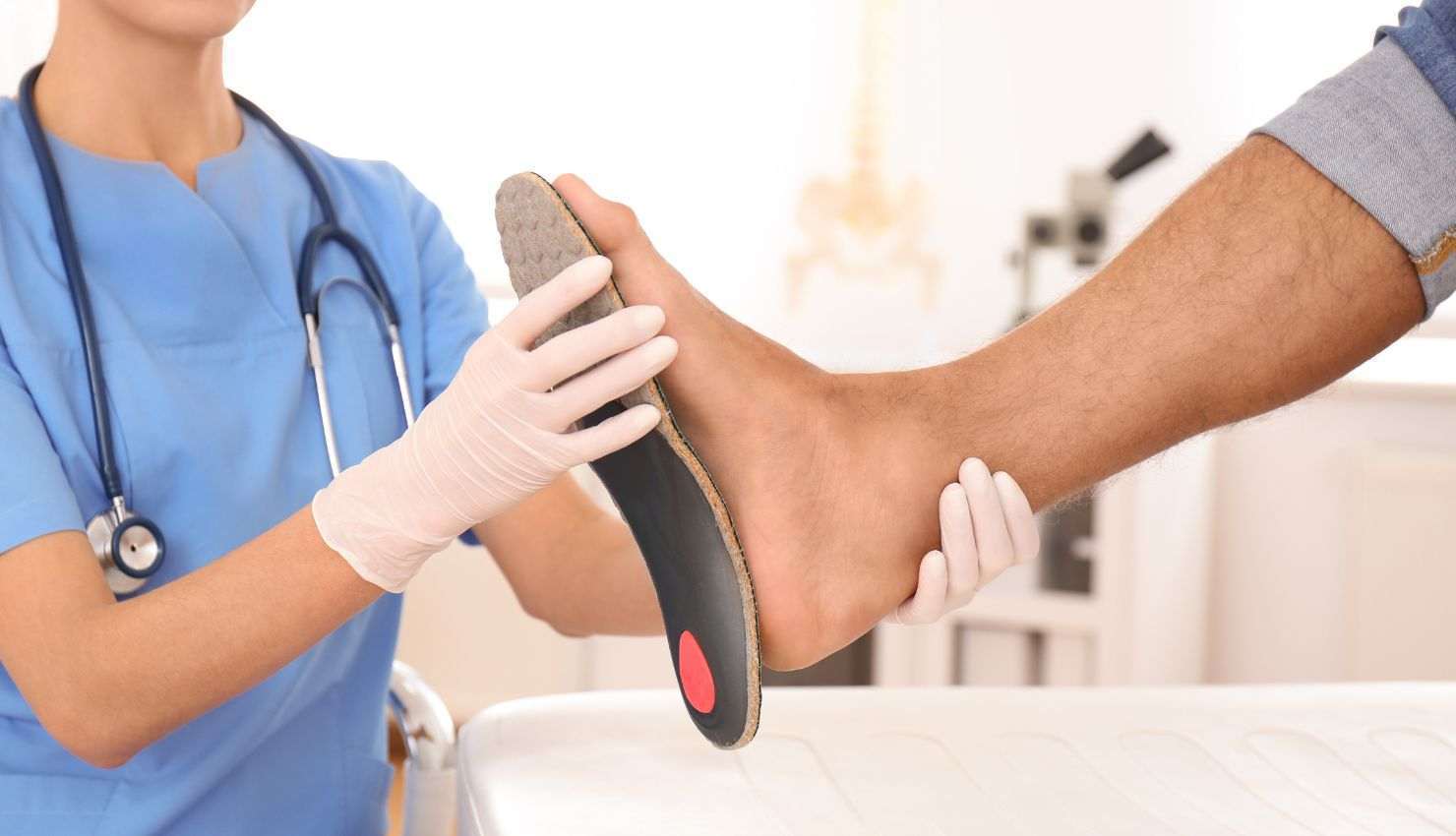
Overuse injuries are among the most common problems affecting people across all activity levelsfrom athletes and manual laborers to office workers and seniors. These injuries often develop gradually, triggered not by one sudden movement, but by repeated strain on joints, muscles, and tendons over time.
While stretching, rest, and ice may provide temporary relief, true prevention lies in improving the way your body moves. Thats where joint optimization comes in. By ensuring your joints are mobile, stable, and aligned, you reduce the wear and tear that leads to overuse injuries. Joint optimization targets the root causenot just the symptoms.
In this blog, well explore how joint optimization helps prevent overuse injuries, what causes these injuries in the first place, and how physiotherapy plays a critical role in protecting your long-term joint and tissue health.
What Are Overuse Injuries?
An overuse injury occurs when repetitive stress is placed on a part of the body without sufficient recovery or structural support. This stress causes microtrauma to tissues, which eventually accumulates into pain, inflammation, or dysfunction.
Common overuse injuries include:
Tendinitis (Achilles, rotator cuff, patellar)
Carpal tunnel syndrome
Iliotibial (IT) band syndrome
Shin splints
Plantar fasciitis
Lower back strain
Tennis elbow and golfers elbow
These injuries are not limited to athletes. Office workers typing all day, healthcare workers lifting patients, or individuals standing on hard floors can all develop overuse injuries due to poor joint function and repetitive motion.
The Hidden Cause: Poor Joint Mechanics
At the root of many overuse injuries is a mechanical dysfunctionwhere the body moves inefficiently due to restricted, unstable, or poorly aligned joints. Heres how it unfolds:
A joint lacks mobility ? other areas compensate.
A joint lacks stability ? muscles overwork to support it.
A joint moves improperly ? strain accumulates in tendons and ligaments.
For example, limited ankle mobility can affect your walking gait, causing the knees or hips to take on excess strain. Over time, this imbalance can lead to patellar tendinitis or hip pain.
In short, when joints dont move the way theyre supposed to, surrounding tissues suffer the consequences.
What Is Joint Optimization?
Joint optimization means creating ideal conditions for joint function. This includes:
Full, pain-free range of motion
Strong, balanced support from surrounding muscles
Proper alignment in both static and dynamic positions
Efficient movement patterns without compensation
Optimizing joints isn’t just about flexibilityit’s about integrating strength, mobility, posture, and movement efficiency.
How Joint Optimization Prevents Overuse Injuries
1. Promotes Balanced Load Distribution
When joints function optimally, forces are shared across multiple joints and muscle groups. This reduces the stress placed on any single area, preventing tissue overload. For example, well-optimized hip mobility distributes impact forces evenly through the lower body while running or walking.
2. Reduces Muscle Fatigue and Strain
Poor joint mechanics force certain muscles to work harder than intended, leading to tightness and fatigue. Optimized joints allow muscles to engage naturally and efficiently, preventing overuse and chronic tightness.
3. Improves Movement Patterns
Faulty movement is a major cause of repetitive strain. Optimizing joint movement through physiotherapy retrains the body to move correctlypreventing habits that lead to injury.
4. Enhances Joint Stability and Control
Some joints need to be mobile (like the hips and shoulders), while others need stability (like the knees and spine). Joint optimization restores this balance, improving dynamic control and preventing ligament and tendon strain during repetitive activities.
5. Allows for Recovery and Tissue Resilience
Healthy joints support blood flow and circulation, which helps tissues recover faster from everyday stress. This reduces inflammation, improves healing, and increases tissue durability.
The Role of Physiotherapy in Joint Optimization
Physiotherapists are trained to assess joint motion, muscle imbalances, postural alignment, and movement patterns. They dont just treat painthey fix the causes behind it.
Physiotherapy tools used for joint optimization include:
Manual joint mobilizations to improve range and alignment
Myofascial release and massage to ease muscle tension
Strength and neuromuscular control exercises to stabilize joints
Gait and posture retraining to fix compensatory mechanics
Education on movement strategies for daily tasks and sport
This holistic approach not only treats symptoms but prevents recurrence by fixing the underlying dysfunction.
Real-Life Examples
Desk Workers: Poor thoracic spine mobility leads to forward head posture, shoulder impingement, and carpal tunnel syndrome. Optimizing spinal alignment and shoulder motion reduces strain.
Athletes: Runners with stiff ankles and weak glutes develop shin splints or knee pain. Joint optimization improves stride mechanics and muscle activation, preventing injury.
Manual Workers: Repetitive lifting with poor hip mobility leads to lower back pain. Restoring hip joint function helps reduce load on the spine and protects the lower back.
Everyday Strategies to Support Joint Optimization
Even without formal therapy, you can build joint health daily:
1. Move Often
Avoid long periods of stillness. Movement nourishes joints and prevents stiffness. Micro-movements and postural changes throughout the day reduce wear.
2. Incorporate Mobility Drills
Simple exercises like deep squats, shoulder CARs, and ankle rockers improve joint range and function.
3. Strength Train Wisely
Focus on functional movements like lunges, rows, and core work that stabilize joints and support long-term control.
4. Pay Attention to Posture
Good posture reduces abnormal stress on joints. Keep the spine neutral, shoulders back, and hips level throughout the day.
5. Listen to Early Warning Signs
Tightness, clicking, stiffness, or fatigue are signs of joint stress. Addressing them early through mobility work or physiotherapy prevents injury.
How to Know If You Need Joint Optimization
Ask yourself:
Do I have recurring tension or pain in the same area?
Do I feel stiff or limited in certain movements?
Am I compensating during exercise (e.g., leaning, twisting)?
Do I frequently deal with tendon pain or muscle tightness?
If you answered yes to any of these, joint optimization can likely help you move better and feel better.
Final Thoughts: Prevention Is the Best Treatment
Overuse injuries dont happen all at oncethey build over time when joints arent working as they should. By addressing mobility, alignment, and muscle balance through joint optimization, you create a movement system that works with your body, not against it.
Physiotherapy provides the expertise and individualized guidance to optimize your joints, eliminate pain, and protect your body for the long term. Whether youre chasing fitness goals, performing manual tasks, or just want to feel better day to day, optimizing your joints is the key to reducing stress, restoring motion, and staying injury-free.
Dont wait for pain to take control. Start optimizing todayfor movement that lasts a lifetime.