Why Mobility & Joint Optimization Should Be Part of Your Fitness Routine explores targeted strategies for recovery. Discover new paths to mobility, healing, and personalized care.

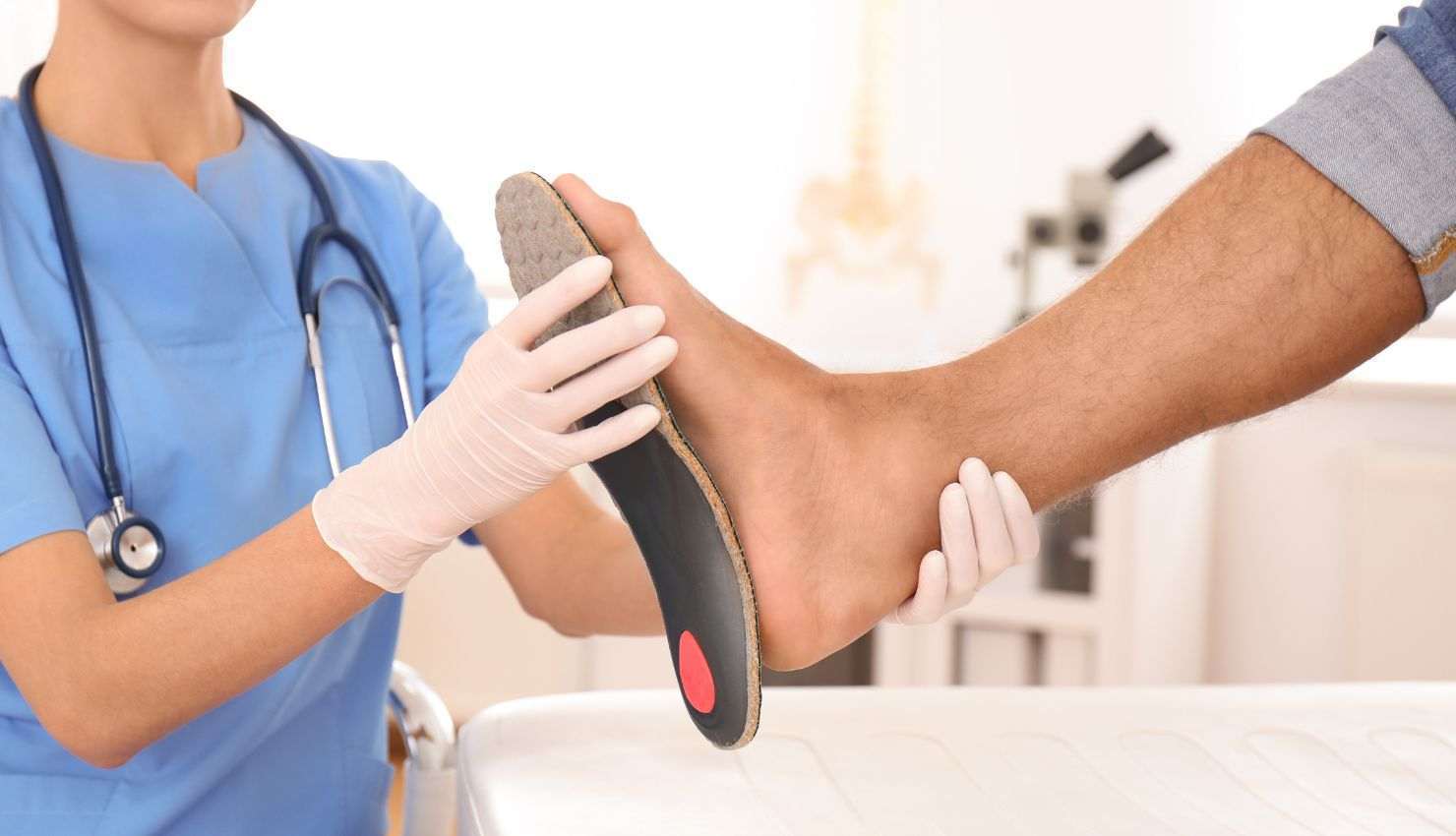
Incorporating mobility and joint optimization into your fitness routine is crucial for achieving balanced, sustainable physical health. While many focus on strength and cardio training, neglecting joint health can lead to stiffness, decreased performance, and a higher risk of injury. Mobility and joint optimization help maintain full range of motion, improve movement quality, and support overall well-being.
At YourFormSux (YFS), we advocate for integrating mobility-focused exercises and joint care into fitness programs to enhance results and longevity. This blog explores why these components are essential and how physiotherapy can guide you in optimizing joint health.
What Is Mobility and Joint Optimization?
Mobility refers to the ability to move joints freely through their full range of motion.
Joint optimization involves enhancing joint function through strengthening, stability, alignment, and neuromuscular control.
Together, they ensure your joints are healthy, flexible, and strong enough to support varied physical activities.
Why Mobility and Joint Optimization Matter in Fitness
1. Prevents Injuries
Good joint mobility and strength reduce undue stress on muscles and connective tissues, lowering the risk of strains, sprains, and overuse injuries.
2. Improves Performance
Optimized joints enable smoother, more efficient movements, enhancing strength, speed, and agility during workouts and sports.
3. Supports Recovery
Mobility exercises promote circulation and tissue health, aiding muscle recovery and reducing soreness.
4. Enhances Functional Movement
Healthy joints allow for better posture, balance, and coordination in daily activities and exercise.
5. Delays Degeneration
Maintaining joint health through optimization practices helps prevent premature wear and osteoarthritis.
How to Incorporate Mobility and Joint Optimization into Your Routine
Warm-up with dynamic mobility exercises to prepare joints for activity.
Include stretching and flexibility work post-exercise to maintain muscle length.
Practice strengthening exercises that target joint stabilizers.
Use movement drills that enhance coordination and neuromuscular control.
Regularly assess and address movement limitations with professional guidance.
Role of Physiotherapy in Mobility and Joint Optimization
Physiotherapists assess joint function and movement patterns to design personalized programs that:
Correct imbalances and restrictions
Enhance joint mechanics and muscle support
Educate on safe and effective exercise techniques
Provide manual therapy to improve joint mobility
Benefits of Professional Guidance
Faster improvements in mobility and function
Reduced injury risk through targeted interventions
Enhanced exercise effectiveness
Support for chronic joint issues or recovery from injury
Why Choose YourFormSux (YFS) for Mobility and Joint Care
At YourFormSux (YFS), our physiotherapists specialize in helping clients optimize joint health and mobility. We provide customized programs that fit your fitness goals and lifestyle, ensuring safe and sustainable progress.
Final Thoughts: Make Mobility and Joint Optimization a Fitness Priority
Incorporating mobility and joint optimization into your fitness routine is key to staying strong, flexible, and injury-free. By focusing on joint health alongside strength and endurance, you build a foundation for long-term wellness and peak performance.