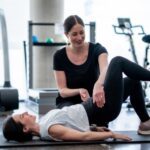
Why Movement is Crucial for Mental Health Healing and Recovery brings new meaning to proactive care. Tap into fresh strategies that promote movement and strength.


Mental health healing isnt only a psychological processits a full-body experience. While therapy and medication remain essential tools for many, integrating movement into the healing process can unlock deeper emotional recovery, balance, and resilience. At YourFormSux (YFS), we specialize in physiotherapy-based movement that supports clients across Canada in restoring their mental health, one step at a time.
The Science Behind Movement and Mental Health
Movement has been scientifically proven to support brain function, reduce stress hormones, and increase the production of mood-enhancing neurotransmitters such as serotonin, dopamine, and endorphins. These biological changes can significantly reduce symptoms of depression, anxiety, trauma, and chronic stress.
Physiotherapy enhances these benefits by customizing movement to your bodys needs and your mental health goals. This clinical, intentional approach is especially powerful for individuals navigating emotional healing.
How Movement Aids in Emotional Recovery
When you experience emotional distress, the body reacts. You may feel tension in your neck, shoulders, or back. Breathing becomes shallow, and posture collapses. These physical responses, if left unaddressed, reinforce emotional imbalance. Movement helps reverse this pattern by:
Releasing muscular tension
Encouraging deep, stabilizing breaths
Improving posture and alignment
Restoring energy through circulation and oxygen flow
Each of these effects contributes to a sense of emotional calm and clarity.
Physiotherapy: More Than Just Exercise
Unlike general fitness routines, physiotherapy focuses on therapeutic movement tailored to both physical and emotional health. At YFS, our programs use gentle, progressive exercises designed to:
Stimulate the nervous system for regulation
Target muscles and joints impacted by stress
Improve breath mechanics for emotional grounding
Rebuild physical and emotional resilience gradually
Physiotherapy creates a safe and structured environment for individuals to engage with their bodies without fear or pressure.
Healing from Trauma Through Movement
Trauma often becomes trapped in the body, manifesting as stiffness, chronic pain, or postural imbalances. Movement-based physiotherapy offers a non-verbal pathway for processing these experiences. By restoring the body’s natural motion and re-establishing a sense of physical control, clients can begin to feel safer, more stable, and less reactive.
At YFS, we offer trauma-informed physiotherapy sessions that are paced according to your comfort and readiness.
Managing Anxiety and Depression with Structured Movement
Anxiety and depression commonly result in fatigue, disrupted sleep, digestive discomfort, and reduced motivation. Physiotherapy counters these symptoms by promoting:
Gentle activation of the body to fight fatigue
Muscle release techniques for improved rest and recovery
Breath-aligned movement to manage panic responses
Daily routines to restore structure and purpose
These interventions help individuals gain back the strength and focus needed to navigate daily life and emotional challenges.
Building Confidence Through Body Awareness
As you move, you learn about your body. Physiotherapy helps you reconnect with physical sensations, build posture awareness, and track progress over time. This growing awareness translates into increased confidenceemotionally and physically. You begin to trust your body again, which supports broader mental health goals.
Consistency Is the Key to Healing
Movement doesnt need to be intense or time-consuming to be effective. Consistency is more important than duration. At YFS, we help clients build movement habits that are easy to sustain. A five-minute morning stretch, a midday breathing exercise, or an evening posture reset can make a lasting difference when practiced regularly.
The Long-Term Mental Health Benefits of Movement
As you continue engaging in physiotherapy-based movement, youll experience:
Reduced emotional reactivity
Improved mood and sleep
Better focus and cognitive function
Greater physical ease and energy
A deeper sense of emotional resilience
These long-term benefits form the foundation for a more stable, grounded, and mentally healthy life.
Why YFS Is Different
At YourFormSux, we view movement as more than physical rehabilitationits emotional restoration. We understand that each persons mental health journey is unique, and our customized physiotherapy plans reflect that. Whether youre recovering from burnout, managing anxiety, or seeking long-term healing, our compassionate and evidence-based approach will guide you forward.
Conclusion: Move to Recover, Heal to Thrive
Movement is not just a supplement to mental health careits a central part of healing. Through physiotherapy-based movement, you can reconnect with your body, restore emotional balance, and reclaim your path to mental wellness. At YFS, we help you move with care, intention, and purposeso you can heal deeply and thrive fully.