Why Movement Is Key for Building Emotional Resilience and Mental Health brings new meaning to proactive care. Tap into fresh strategies that promote movement and strength.

Emotional resilience is your ability to adapt, recover, and stay grounded during stressful or challenging experiences. Its a vital part of mental healthbut it isnt just built through therapy or mindset work. One of the most effective tools for developing emotional resilience is movement, particularly when practiced through physiotherapy.
At YourFormSux in Canada, movement is more than physical exerciseits a structured, therapeutic practice designed to help clients strengthen their nervous systems, regulate emotions, and enhance mental stability. With guided physiotherapy, movement becomes a catalyst for emotional strength and long-term mental health.
What Is Emotional Resilience?
Emotional resilience helps you:
Navigate conflict without becoming overwhelmed
Manage anxiety, stress, and sadness in healthy ways
Stay focused during uncertainty or pressure
Rebuild after emotional setbacks
Maintain a stable sense of self despite external challenges
People with strong emotional resilience are not immune to hardship, but they have more capacity to recover from it. And that capacity can be developed through the body.
How Movement Supports Resilience
Movement stimulates the physical systems responsible for emotional regulationyour nervous system, endocrine system, and musculoskeletal alignment. Each time you engage in movement, youre not just using your body; youre also training your brain and emotions.
Movement builds resilience by:
Releasing tension and stored emotions
Improving energy regulation through breath and posture
Enhancing body awareness and mental clarity
Creating a sense of achievement and momentum
Restoring hormonal balance, reducing cortisol, and boosting serotonin
The Role of Physiotherapy in Building Resilience
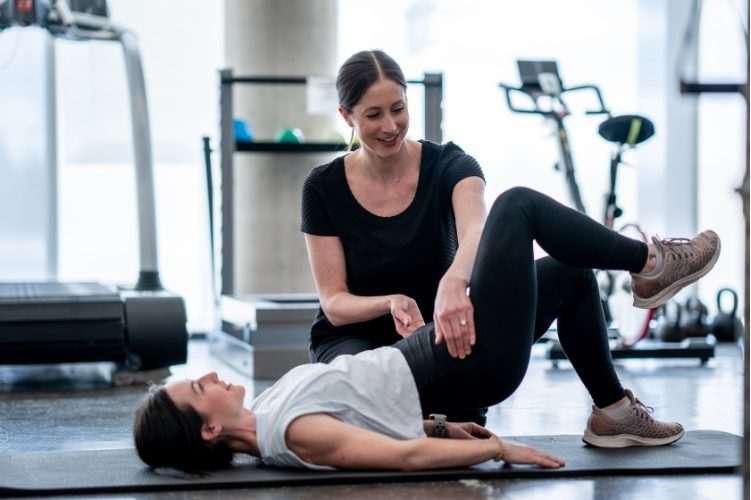
At YFS, physiotherapists work with you to build resilience not by pushing limits, but by creating a safe, supportive space to move with intention. Here’s how physiotherapy fosters emotional strength:
1. Mindful Movement and Breathwork
These techniques calm the nervous system, increase emotional awareness, and improve stress recovery. They help ground your body and stabilize your mood.
2. Posture and Core Strength
Proper alignment and physical strength influence how you carry yourself emotionally. A strong, upright posture increases confidence and reduces vulnerability.
3. Repetitive and Rhythmic Movement
Steady movementlike walking or light cardiohelps regulate emotions, stimulate brain function, and build mental clarity.
4. Movement for Emotional Regulation
Certain physiotherapy routines are designed to respond to emotional states. If youre anxious, calming stretches are introduced. If youre unmotivated, gentle activation exercises may be used to re-engage your energy system.
5. Gradual Exposure to Stressors
Physiotherapy can also help build tolerance to discomfortemotionally and physicallyby gently guiding clients through controlled, progressive challenges. This increases resilience over time.
Why Emotional Resilience Is a Movement-Based Skill
Resilience is not just an attitudeits a physical state. When your body is balanced, strong, and aligned, your emotions follow. Physiotherapy gives you the tools to build a solid foundation through movement that:
Encourages healthy emotional expression
Helps you adapt to change and uncertainty
Increases your capacity for rest and recovery
Reconnects you to your body as a source of strength
Whether youre healing from trauma, managing stress, or preventing emotional burnout, movement becomes your personal resilience trainer.
The Long-Term Benefits
Building emotional resilience through movement results in:
More emotional stability under pressure
Better ability to bounce back from setbacks
Lower overall stress and anxiety levels
Greater self-awareness and control
A sense of empowerment and personal agency
These outcomes improve not only your mental health, but your relationships, work life, and sense of purpose.
Final Thoughts
Emotional resilience isnt something youre born withits something you build. And your body is a powerful ally in that process. At YourFormSux in Canada, physiotherapy helps clients use movement to enhance their emotional capacity, regulate their responses, and feel more in control of their mental health journey.
If you’re ready to grow stronger emotionally, start by moving with intention. Your body can guide you toward balance, clarity, and the resilience needed for whatever life brings next.