Remote work has many perksbut physical movement often suffers. Prolonged sitting is linked to a wide range of health problems, from joint pain to cardiovascular issues. Movement isnt just about fitnessits about staying well.

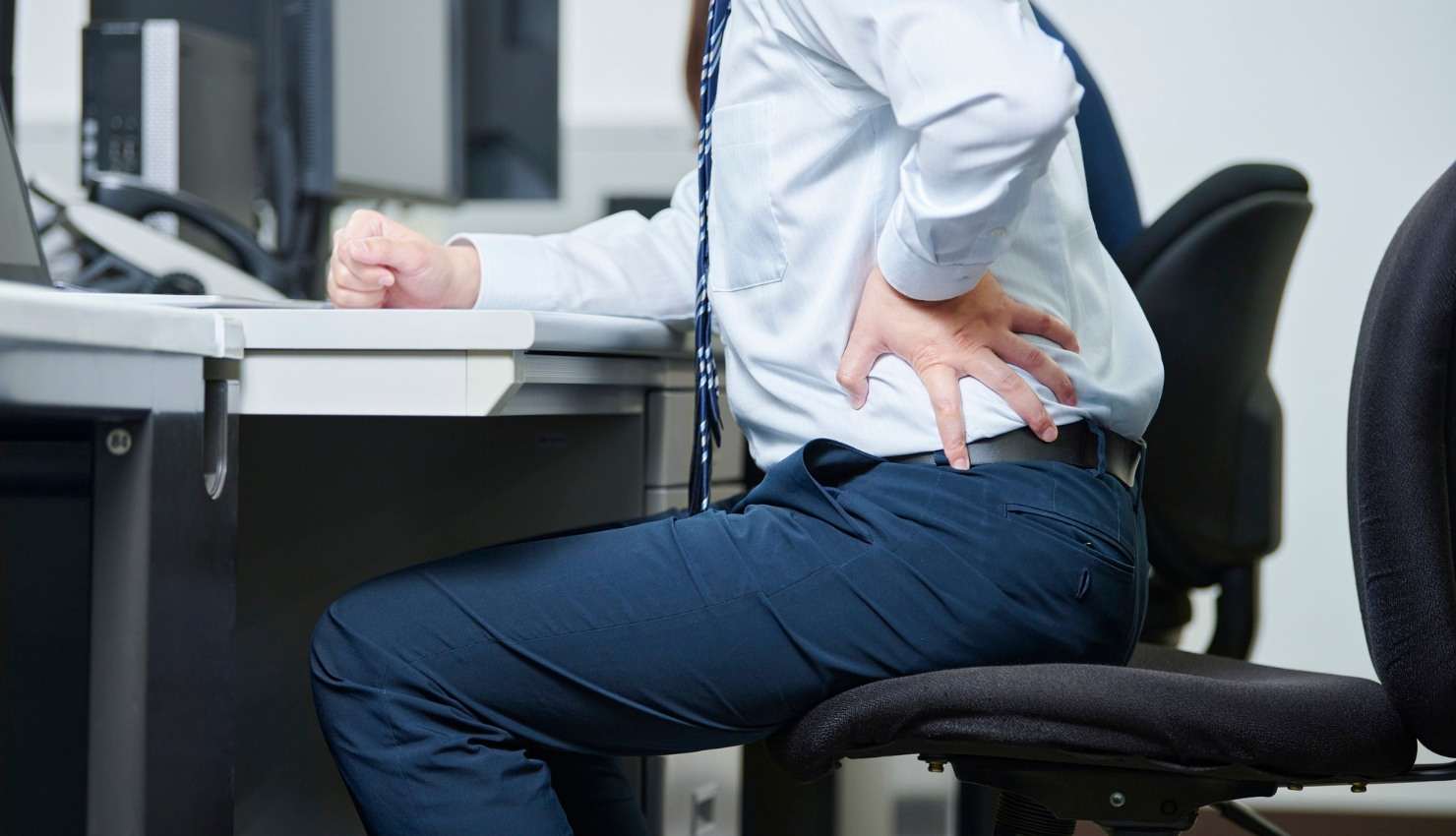
Remote work has many perksbut physical movement often suffers. Prolonged sitting is linked to a wide range of health problems, from joint pain to cardiovascular issues. Movement isnt just about fitnessits about staying well.
1. The Risks of Prolonged Sitting
Muscle Imbalances: Tight hips, weak glutes, and rounded shoulders.
Joint Stiffness: Particularly in the spine, neck, and knees.
Reduced Circulation: Can increase the risk of clots and fatigue.
Mental Fog: Physical stagnation reduces blood flow to the brain.
2. Benefits of Frequent Movement
Improves posture and spinal alignment.
Increases energy and mood through endorphin release.
Boosts focus and creativity.
Helps regulate blood sugar and metabolism.
3. Simple Ways to Add Movement
Stand up every 3045 minutes.
Walk during phone calls or meetings.
Do quick desk exercises: calf raises, squats, shoulder rolls.
Stretch key areas: neck, shoulders, hips, hamstrings.
4. Create a Movement-Friendly Routine
Start your day with 510 minutes of stretching or yoga.
Schedule short movement breaks throughout your day.
Keep light weights or resistance bands nearby for quick mini-workouts.
5. Use Technology to Help
Set movement reminders on your phone or computer.
Use apps or wearables to track steps and encourage daily activity goals.
6. Standing Desks and Active Seating
Alternating between sitting and standing throughout the day helps relieve pressure and engage different muscles. Consider:
Sit-stand desks
Balance balls
Wobble stools
Conclusion
Movement is not optionalits a necessity. Remote workers must actively design their day to include frequent motion. It supports better health, sharper focus, and longer-term productivity.