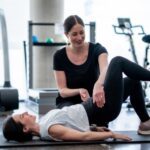
Why Moving Your Body is the Best Therapy for Your Mind brings new meaning to proactive care. Tap into fresh strategies that promote movement and strength.


When we think about therapy, we often imagine talk sessions, medication, or guided meditation. But one of the most effectiveand often overlookedtools for mental wellness is physical movement. At YourFormSux (YFS), we recognize that movement is more than just exercise; it is a form of therapy that reconnects the body and mind, balances the nervous system, and supports emotional healing.
The Body-Mind Connection
Physiotherapy operates on the principle that the body and mind are deeply intertwined. When you move your body, you’re not just stretching muscles or burning caloriesyoure stimulating the brain, activating your nervous system, and regulating key hormones like serotonin, dopamine, and endorphins. These are the same neurochemicals that help manage mood, stress, anxiety, and even symptoms of depression.
Our bodies were designed to move. When movement becomes limitedeither by injury, lifestyle, or emotional blocksmental health can suffer. Physiotherapy focuses on restoring functional movement patterns and optimizing mobility, which in turn helps regulate mood and reduce psychological tension.
Movement as a Nervous System Regulator
The autonomic nervous system (ANS), which controls stress response, can easily become dysregulated by chronic anxiety, trauma, or burnout. Physical movementespecially when supported by physiotherapycan gently coax the ANS back into a balanced state. Targeted physiotherapy sessions that include breathwork, posture correction, and slow, controlled movement can shift the body from a fight or flight mode into rest and digest.
When your nervous system feels safe and regulated, your mind can follow. This is why so many clients at YFS report feeling calmer, more grounded, and emotionally resilient after physiotherapy sessions.
Boosting Emotional Resilience Through Movement
Emotional resilience is your ability to bounce back from stress, trauma, or adversity. Its not about avoiding challenges but responding to them in healthy ways. Movement helps develop that inner strength. When you engage in physical activitywhether its a structured physiotherapy routine or simple daily stretchingyoure teaching your body and brain to tolerate discomfort, regulate emotions, and stay present.
Physiotherapy encourages body awareness, which is crucial for emotional regulation. Learning how your body responds to stress (tight shoulders, shallow breathing, poor posture) is the first step to interrupting harmful patterns. Movement therapy allows you to replace these responses with more supportive habits, enhancing emotional adaptability.
Addressing Depression and Anxiety Without Medication
While medication can be beneficial for some, many individuals prefer to explore holistic options. At YFS, we support movement-based therapy as a natural and empowering tool for addressing depression and anxiety. Movement stimulates the release of endorphins and helps reduce cortisolthe bodys primary stress hormone.
Regular sessions focused on mobility, alignment, and intentional breathwork can build a strong foundation for mental wellness. Over time, clients often experience improved sleep, sharper focus, and a more stable moodall without the need for pharmaceutical intervention.
Movement for All Life Stages
Whether you’re a young adult coping with academic stress, a new mother navigating postpartum changes, or an older adult managing the emotional effects of physical decline, movement-based physiotherapy is adaptable and inclusive. At YFS, we tailor our approach to meet your specific mental and physical needs.
We also work with individuals recovering from trauma, chronic pain, or nervous system disorders. Physiotherapy for mental health isnt a one-size-fits-all solutionits a personalized pathway to emotional well-being.
Taking the First Step Toward Mental Wellness
If you’re feeling overwhelmed, anxious, or disconnected, consider what your body might be trying to tell you. Movement is one of the most accessible and effective therapies you can engage in, especially when guided by a licensed physiotherapist who understands the mental health implications of physical dysfunction.
At YourFormSux, we take an integrative approach that acknowledges how your mental and physical health are linked. We provide a safe, supportive space where movement is more than just rehabits a tool for emotional recovery, clarity, and self-empowerment.