Why Osteopathy Should Be Part of Your Pain Management Plan explores targeted strategies for recovery. Discover new paths to mobility, healing, and personalized care.

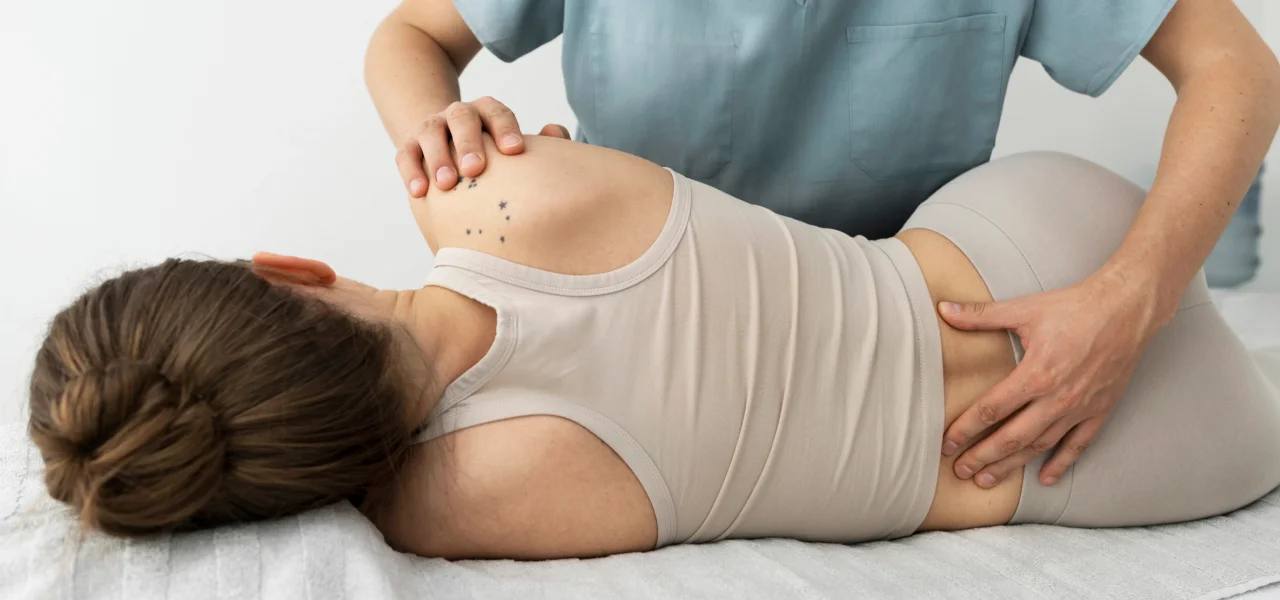
If youre living with ongoing painwhether its a dull ache, sharp jolt, or constant stiffnessyouve likely tried everything from heat packs and painkillers to stretching videos and maybe even a few chiropractor visits. But what if there was a natural, whole-body approach that could not only relieve pain, but help your body prevent it from returning?
Thats where osteopathy comes in. This gentle, hands-on therapy focuses on treating the bodys structure to improve how it functions, making it an ideal (and often overlooked) addition to your pain management plan.
Lets explore why osteopathy deserves a place in your wellness toolkitwhether youre dealing with chronic discomfort or just want to move more freely.
A Quick Look at Osteopathy
Osteopathy is a form of manual therapy that addresses the musculoskeletal systemthats your bones, joints, muscles, fascia, and connective tissues. Its based on the principle that when your bodys structure is aligned and balanced, it can heal and regulate itself more effectively.
Osteopaths use their hands to assess and treat areas of tension, restriction, and imbalanceworking with the body to reduce pain, improve movement, and restore natural function.
Unlike a massage or a chiropractic adjustment, osteopathy combines soft tissue work, joint mobilization, and movement-based techniques in a personalized and holistic way.
Why Add Osteopathy to Your Pain Management Plan?
Pain can be complicated. Its rarely caused by a single issue, and it often involves multiple layersphysical, emotional, and environmental. Thats why a one-size-fits-all solution usually doesnt cut it.
Heres how osteopathy stands out as a valuable part of your pain management plan:
? 1. Treats the Root Cause, Not Just the Symptoms
Pain often shows up in one area but originates somewhere else. For example, knee pain might be linked to hip alignment, or shoulder tension could be caused by poor posture or stress.
Osteopaths take a full-body approach, assessing how your entire system is working together. By addressing the underlying imbalances, they help reduce pain at the source, not just where it hurts.
? 2. Supports the Bodys Natural Healing Process
Your body wants to healit just needs the right conditions. Osteopathy improves circulation, reduces inflammation, calms the nervous system, and restores mobility. This creates the ideal environment for your body to repair itself, naturally.
? 3. Reduces Dependence on Pain Medications
While medication can be helpful short-term, it doesnt fix the causeand long-term use can come with side effects. Osteopathy offers a drug-free, non-invasive alternative that helps manage pain while supporting your bodys overall function.
? 4. Improves Mobility and Function
When your joints are stiff, muscles tight, or fascia restricted, movement becomes harderand more painful. Osteopathy gently restores motion in these areas, helping you move more freely, perform daily tasks with less effort, and reduce the risk of future injury.
? 5. Boosts Your Resilience and Body Awareness
Osteopathy isnt just hands-on therapyits educational. Youll gain insights into how you sit, stand, move, and breathe. This body awareness empowers you to make simple, lasting changes that support your recovery and prevent pain from creeping back in.
Common Conditions Osteopathy Helps Manage
Osteopathy is particularly effective for:
Chronic back, neck, or shoulder pain
Headaches and migraines
Joint stiffness or arthritis
Sciatica and nerve pain
Repetitive strain injuries
Postural issues from prolonged sitting
Sports injuries and muscle tension
Whether your pain is acute, chronic, or stress-related, osteopathy offers a tailored solution to help you feel better in your own body.
What to Expect in a Session
During your first visit, your osteopath will take a full health history, assess your posture and movement, and gently examine areas of tension or restriction. Treatment may involve a mix of:
Soft tissue techniques
Gentle joint mobilizations
Stretching and alignment work
Breathing or movement advice
Youll leave not just feeling more at ease, but with a better understanding of whats contributing to your painand how to manage it long-term.
Final Thoughts: A Smarter, More Supportive Approach to Pain
Pain is your bodys way of asking for helpand osteopathy listens. By working with your bodys natural rhythms and addressing the bigger picture, osteopathy helps relieve pain in a way that feels intuitive, empowering, and sustainable.
If youre ready to stop chasing temporary relief and start supporting your bodys natural healing, consider making osteopathy a key part of your pain management plan. Your future self will thank you.