Pregnancy and childbirth put immense stress on a woman’s body, especially the pelvic floor muscles. These muscles, which support the bladder, uterus, and bowel, stretch significantly during pregnancy and even more so during delivery.

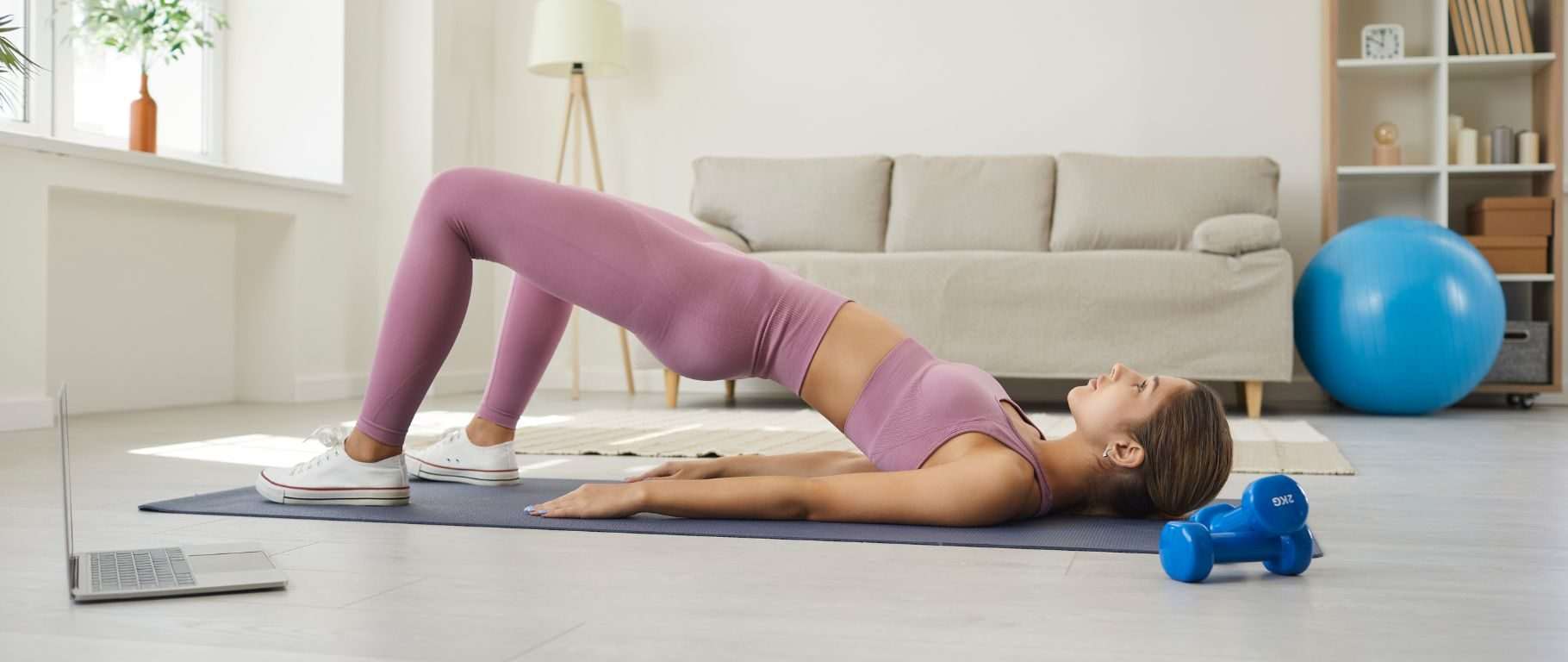
Pregnancy and childbirth put immense stress on a woman’s body, especially the pelvic floor muscles. These muscles, which support the bladder, uterus, and bowel, stretch significantly during pregnancy and even more so during delivery. For many women, this strain can lead to weakened pelvic support, urinary incontinence, pelvic organ prolapse, and a general sense of instability in the core. Thats why pelvic floor exercises are not just beneficial after pregnancythey are essential.
Understanding the Postpartum Pelvic Floor
The pelvic floor is a group of muscles that act like a hammock across the base of the pelvis. During pregnancy, hormonal changes soften these muscles to prepare for childbirth. The weight of the growing baby, combined with vaginal delivery or surgical birth, can leave the pelvic floor weakened or even damaged. Postpartum recovery of this area often requires specific, targeted rehabilitation through physiotherapy and consistent exercise.
Without this rehabilitation, many women face long-term consequences. Common post-pregnancy symptoms like leaking urine when sneezing or coughing, pressure in the pelvic area, and even lower back pain can all be tied to poor pelvic floor function. This makes postnatal pelvic floor strengthening a top priority in postpartum care.
The Benefits of Postpartum Pelvic Floor Exercises
Incorporating pelvic floor exercises into a postpartum recovery plan offers several important benefits that directly improve a womans daily function and overall well-being. Key benefits include:
Urinary Control Restoration
One of the most common postpartum issues is stress urinary incontinence. Pelvic floor exercises help strengthen the muscles responsible for controlling urination, reducing leakage during activities such as coughing, laughing, or running.
Pelvic Organ Support
Strengthening the pelvic floor can reduce the risk of pelvic organ prolapse, where one or more pelvic organs drop due to muscle weakening. This condition is uncomfortable and often leads to further complications if not managed early.
Improved Core Stability
The pelvic floor is a core component of the bodys stability system. When these muscles are weak, it affects posture, balance, and movement. Postpartum pelvic exercises support recovery from abdominal separation (diastasis recti) and help rebuild a solid core foundation.
Enhanced Sexual Health
Weak pelvic floor muscles may result in reduced sexual sensation or discomfort during intimacy. Regular strengthening improves blood flow, muscle tone, and confidence, all contributing to improved sexual wellness post-pregnancy.
Support for Postural Alignment
Pregnancy often alters a womans posture due to changes in body weight and center of gravity. A strong pelvic floor helps in re-aligning posture, reducing strain on the lower back and hips.
How Soon Should Women Start Postnatal Pelvic Floor Exercises?
Many women can begin gentle pelvic floor exercises as early as 24 hours after vaginal delivery, provided there were no complications. In the case of C-section recovery or traumatic births, it’s best to consult a physiotherapist before starting any exercise. Starting early encourages blood circulation, reduces swelling, and lays the foundation for more intensive strengthening later.
A key point to understand is that pelvic floor recovery is not a one-size-fits-all process. Each womans body heals differently, and physiotherapy guidance ensures exercises are tailored to individual recovery stages and concerns.
How to Perform Pelvic Floor Exercises Correctly
Kegel exercises are the most well-known form of pelvic floor strengthening, but doing them incorrectly can cause more harm than good. Many women engage the wrong muscles or hold their breath, which limits effectiveness. A certified pelvic health physiotherapist can guide you through:
Proper muscle identification
Coordinated breathing techniques
Progressions in resistance and duration
Functional integration (using pelvic floor strength during lifting, walking, and standing)
Consistency is key. Like any other form of muscle training, results depend on ongoing practice. Physiotherapists often design daily or weekly plans that blend core, posture, and pelvic floor rehab to ensure full-body recovery.
The Role of Physiotherapy in Postpartum Recovery
Pelvic floor physiotherapy is one of the most underutilized yet effective tools for postpartum recovery in Canada. Clinics like YourFormSux specialize in pelvic wellness, offering personalized assessments and targeted treatment plans. Through internal and external evaluations, your physiotherapist can identify muscle imbalances, nerve dysfunction, or scar tissue from birth that may hinder healing.
Pelvic health physiotherapy also addresses lifestyle adjustments, posture correction, ergonomic support for baby care, and return-to-exercise planningall through the lens of protecting and strengthening the pelvic floor.
Long-Term Consequences of Ignoring Pelvic Floor Health
Postpartum healing often focuses on baby care, weight loss, or external aesthetics, while the foundational issuepelvic floor integrityis overlooked. Ignoring these muscles after childbirth can lead to chronic issues such as:
Persistent urinary leakage
Painful intercourse
Pelvic heaviness or bulging
Hip, back, or abdominal pain
Decreased confidence and quality of life
By contrast, early intervention with pelvic floor exercises empowers women to regain control over their physical health and avoid long-term complications.
Empowering Postpartum Recovery Through Education and Action
The conversation around postpartum recovery must shift from superficial recovery goals to real, internal healing. Pelvic floor exercises are not just a checklist itemthey are a vital part of a woman’s return to strength, function, and wellness after pregnancy. Every woman deserves access to pelvic floor education, early assessment, and guided therapy.
At YourFormSux, we believe in taking the guesswork out of postpartum care. Whether youre a new mom, months into recovery, or preparing for another pregnancy, prioritizing your pelvic floor through physiotherapy and daily exercises is a powerful, proven investment in your long-term health.
Conclusion
Pelvic floor exercises are not optionalthey are foundational. After pregnancy, these exercises help restore core strength, prevent long-term dysfunction, and empower women to live actively, confidently, and pain-free. By recognizing the importance of pelvic floor health and integrating it into regular postpartum care, Canadian women can reclaim their physical autonomy and rebuild from the inside out.